
Most people imagine every desert looking the same — endless sand dunes, extreme heat, and empty landscapes with nothing much to see.
But the Gobi Desert surprises almost everyone.
One moment you’re driving past rocky cliffs glowing orange under the sun.
A few hours later, the scenery changes into wide grasslands, dramatic valleys, or giant sand dunes stretching into the distance.
That’s what makes Gobi Desert tourism feel different from typical desert travel.
The Gobi is not famous for just one thing. Travelers visit for:
- Massive open landscapes
- Ancient Silk Route history
- Dinosaur fossil discoveries
- Nomadic culture
- Camel routes
- Peaceful desert experiences
And unlike many crowded tourist destinations, the Gobi still feels raw, remote, and emotionally immersive.
For travelers interested in Mongolia desert travel, the experience often feels less like sightseeing and more like stepping into another world.
The Gobi Desert Is Much More Than Just Sand Dunes
One of the biggest surprises for travelers is realizing the Gobi is not only a “sand desert.”
In fact, many parts of the desert look completely different from what people expect.
The region includes:
- Rocky valleys
- Mountains
- Canyons
- Dry plains
- Grassland areas
- Huge dune systems
That’s why Gobi Desert landscapes feel visually dramatic throughout the journey.
Why Travelers Are Usually Surprised by the Landscape Variety
The scenery changes constantly during road trips across the desert.
Travelers may see:
- Red cliffs in one region
- Wide empty plains in another
- Golden dunes during sunset
- Green patches appearing unexpectedly after rainfall
Even the colors of the desert shift throughout the day depending on sunlight and weather.
This variety is one reason many travelers call the Gobi one of the most beautiful deserts in Asia.
Why the Gobi Feels More Cinematic Than Harsh
Unlike deserts that feel overwhelming or extreme, the Gobi often feels calm and cinematic.
There’s a strange beauty in:
- The silence
- The wide horizons
- The dramatic skies
- The feeling of endless space
Instead of feeling trapped by the emptiness, travelers often feel mentally lighter inside it.
That emotional feeling becomes a huge part of the overall Gobi Desert travel experience.
Not sure which parts of the Gobi Desert are actually worth visiting? Talk with a Mongolia travel expert and plan the right desert route.
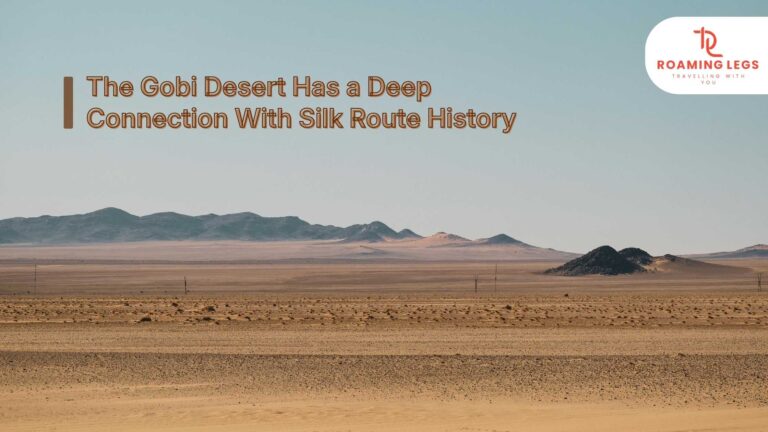
The Gobi Desert Has a Deep Connection With Silk Route History
Long before modern tourism existed, the Gobi Desert was part of important trade routes connecting Asia.
Why Ancient Traders Crossed the Gobi Desert
The desert played a major role in Silk Route movement between regions.
For centuries:
- Traders crossed difficult desert routes
- Camel caravans transported goods
- Mongolia became an important travel connection point
This history still shapes the identity of the region today.
That’s why Silk Route Mongolia stories continue attracting travelers interested in exploration history.
The Desert Still Feels Like an Old Exploration Route
Even now, traveling through the Gobi feels adventurous.
Long roads, remote landscapes, and isolated routes create the feeling of moving through an ancient expedition path.
And honestly, that’s what makes the experience exciting.
Travelers are not simply visiting attractions — they feel like explorers moving across historic land.
Why This Makes the Gobi Feel Different From Modern Tourism
Most modern tourism feels fast.
The Gobi feels slow.
Instead of crowded sightseeing schedules, travelers spend long hours:
- Watching changing scenery
- Driving through remote routes
- Experiencing silence
- Feeling disconnected from city life
That slower atmosphere gives the desert a very different emotional energy.
The Gobi Desert Is Famous for Dinosaur Fossil Discoveries
Another reason behind what makes Gobi Desert famous is its scientific importance.
Why Scientists Consider the Gobi Historically Important
The Gobi Desert became globally known after major dinosaur fossil discoveries were found here.
Scientists discovered:
- Dinosaur eggs
- Fossil excavation sites
- Ancient prehistoric remains
These discoveries helped researchers understand dinosaur history in entirely new ways.
That’s why the region remains important in paleontology even today.
Why the Landscape Feels Almost Prehistoric
Some areas of the desert genuinely feel untouched by time.
Travelers often describe:
- Red rocky cliffs
- Dry valleys
- Giant open spaces
- Dramatic emptiness
as looking almost prehistoric.
And because tourism crowds remain lower compared to famous global destinations, the scenery feels even more raw and natural.
Why Travelers Find the Experience Unexpectedly Memorable
Even travelers who are not deeply interested in fossils often enjoy these regions because the landscapes themselves feel cinematic.
The experience combines:
- Education
- Adventure
- Photography
- Exploration
And that emotional feeling of remoteness becomes difficult to forget.

What It Actually Feels Like Exploring the Gobi Desert
Long Road Journeys Become Part of the Experience
In the Gobi, the journey itself matters as much as the destination.
Hours on the road become memorable because the scenery constantly changes.
Travelers often remember:
- Endless open roads
- Camel sightings
- Dramatic clouds
- Huge empty horizons
The silence during these drives feels surprisingly peaceful.
Nights in the Desert Feel Completely Different
Evenings in the desert create a completely different atmosphere.
After sunset, travelers experience:
- Cool desert air
- Campfire evenings
- Quiet surroundings
- Bright star-filled skies
Without heavy city lights, the night sky feels incredibly clear.
For many travelers, these evenings become the emotional highlight of the entire Gobi Desert experience.
The Desert Feels Emotionally Bigger Than Expected
One thing travelers rarely expect is how mentally calming the Gobi feels.
The openness creates space to slow down mentally.
Away from traffic, screens, and crowded cities, many travelers feel a strong sense of calmness during their Mongolia desert expedition.
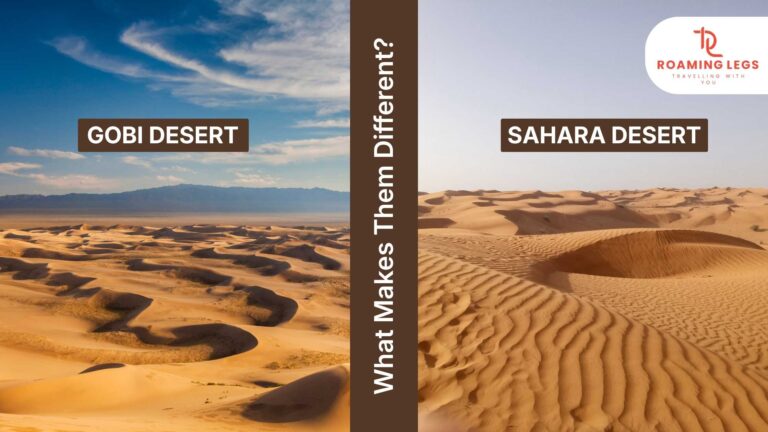
Gobi Desert vs Sahara: What Makes Them Different?
Why the Sahara Is More Famous Globally
The Sahara is globally iconic because of:
- Massive sand dunes
- North African tourism popularity
- Its enormous size
For many people, the Sahara represents the “classic desert image.”
Why the Gobi Feels More Diverse and Less Commercial
The Gobi offers a very different experience.
Compared to the Sahara, travelers often notice:
- More landscape variation
- Cooler weather conditions
- Fewer tourist crowds
- Stronger connection with nomadic culture
That’s why many slow travelers and photographers prefer the Gobi for more unique desert travel experiences.
Which Type of Travelers Usually Prefer the Gobi
The Gobi is especially loved by:
- Adventure travelers
- Nature lovers
- History enthusiasts
- Photographers
- Travelers avoiding crowded tourism
People looking for quieter and more immersive experiences usually connect deeply with the region.
Worried about weather, packing, or desert conditions? Download a practical Gobi Desert travel checklist before your trip.
Why Spring and Summer Are the Best Seasons for Gobi Desert Travel
Why Weather Conditions Become More Comfortable
Spring and summer usually offer the best balance for exploration.
During these seasons, travelers experience:
- Better road access
- Moderate temperatures
- Clear visibility
- More comfortable travel conditions
That’s why many consider this the best time to visit Gobi Desert regions.
What the Desert Looks Like During These Seasons
The desert becomes visually stunning during warmer months.
Travelers often see:
- Golden landscapes
- Dramatic sunlight
- Cooler evenings
- Huge blue skies
The lighting also creates incredible photography conditions.
Common Weather Concerns Travelers Usually Have
The Gobi can still experience:
- Temperature changes
- Desert winds
- Strong sunlight
So travelers should carry:
- Warm layers
- Sunglasses
- Comfortable shoes
- Sun protection
Who Usually Enjoys the Gobi Desert Most
The Gobi is perfect for travelers who enjoy experiences beyond regular sightseeing.
This usually includes:
- Adventure travelers
- Slow travelers
- Photographers
- Nature lovers
- History-focused travelers
One important thing many people underestimate is the travel distance between regions. Guided desert routes usually make the experience smoother and more comfortable.
Want a ready-to-follow desert route with scenic stops and stay ideas? Download a practical Gobi Desert itinerary before planning your trip.
The Gobi Desert Feels More Like an Experience Than a Destination
The Gobi changes how many travelers think about deserts.
Instead of only heat and sand, people experience:
- Silence
- Space
- Exploration
- Emotional calmness
- Dramatic scenery
And maybe that’s what makes the Gobi unforgettable.
Travelers don’t just visit the desert.
They experience the feeling of openness, stillness, and exploration in a way very few places can offer.
FAQs About Gobi Desert Tourism
The Gobi is famous for its diverse landscapes, Silk Route history, dinosaur fossil discoveries, nomadic culture, and desert exploration experiences.
No. The region also includes rocky valleys, mountains, cliffs, plains, and grassland areas.
Spring and summer are usually considered the best seasons because of comfortable weather and easier travel access.
Not completely. The Gobi has cooler temperatures, more varied landscapes, fewer crowds, and stronger cultural experiences connected to nomadic life.
Most travelers spend around 4–7 days exploring different regions comfortably because travel distances in the desert are larger than expected.
