
In many countries, traditional lifestyles mostly survive inside museums, tourist shows, or history books.
Mongolia feels very different.
Here, nomadic culture is still part of everyday life across huge countryside regions.
People still live in ger homes.
Families still move seasonally with livestock.
Horse culture still shapes daily routines.
Hospitality traditions still feel deeply personal.
That’s why understanding Mongolia nomadic culture helps travelers understand the country itself.
Mongolia is one of the few places where ancient traditions still influence modern identity, countryside life, and even the way people welcome guests today.
And honestly, once travelers experience this lifestyle closely, Mongolia stops feeling like a normal tourist destination.
It starts feeling much more human.
What Does “Nomadic Culture” Actually Mean in Mongolia?
At its core, nomadic life means moving from place to place based on seasons and nature.
For centuries, many Mongolian nomads moved across grasslands with animals like horses, sheep, goats, and camels.
Instead of permanent houses, families lived in portable homes called gers.
Life depended heavily on:
- Weather
- Grassland conditions
- Animal care
- Seasonal movement
Why Mobility Became Essential in Mongolia
Mongolia’s climate can be harsh.
Different seasons affect where animals can graze safely.
So movement became necessary for survival.
Families often shifted locations to:
- Find better grasslands
- Protect livestock
- Adapt to weather conditions
This system helped communities live sustainably for generations.
Nomadic Life Is Built Around Nature Instead of Cities
Modern city life usually revolves around buildings, schedules, and traffic.
But nomadic lifestyle Mongolia traditions are closely connected with nature.
Daily life depends on:
- Weather changes
- Open landscapes
- Animal movement
- Seasonal rhythms
That’s why countryside life in Mongolia often feels slower and calmer compared to busy cities.
Curious how nomadic traditions still influence daily life in Mongolia today? Talk with a Mongolia cultural travel expert before planning your journey.
Why the Ger Is So Important in Mongolian Culture
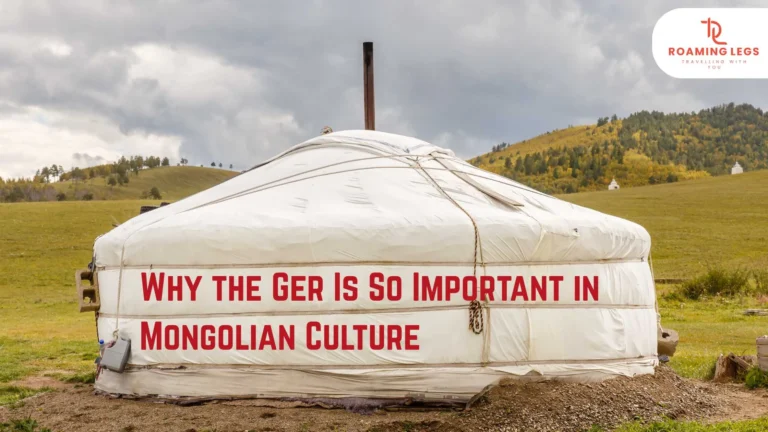
One of the most recognizable parts of Mongolia culture is the ger.
These circular homes are designed for mobile living.
And despite looking simple from outside, they are surprisingly practical and comfortable.
The Ger Is Designed for a Mobile Lifestyle
A ger can be assembled, dismantled, and transported relatively quickly.
Its design helps families adapt to changing locations and weather conditions.
The structure is known for:
- Strong insulation
- Wind resistance
- Efficient heating
- Portable construction
That’s why gers became central to traditional Mongolian homes for centuries.
Inside a Ger, Life Feels Surprisingly Warm and Social
Inside, the atmosphere feels cozy and community-focused.
Families often gather around the stove for:
- Shared meals
- Tea traditions
- Evening conversations
Guests are usually welcomed warmly, even in remote countryside regions.
And this hospitality becomes one of the strongest memories travelers carry home.
Why Ger Camps Feel Meaningful for Travelers
Today, many travelers experience ger camps Mongolia stays during cultural trips.
The experience feels different from regular hotels because life slows down naturally.
People spend more time:
- Talking
- Observing nature
- Sharing meals
- Enjoying silence
That emotional simplicity often becomes the highlight of the journey.
Horses Are Deeply Connected to Mongolian Identity
In many countries, horses are mainly used for sports or tourism.
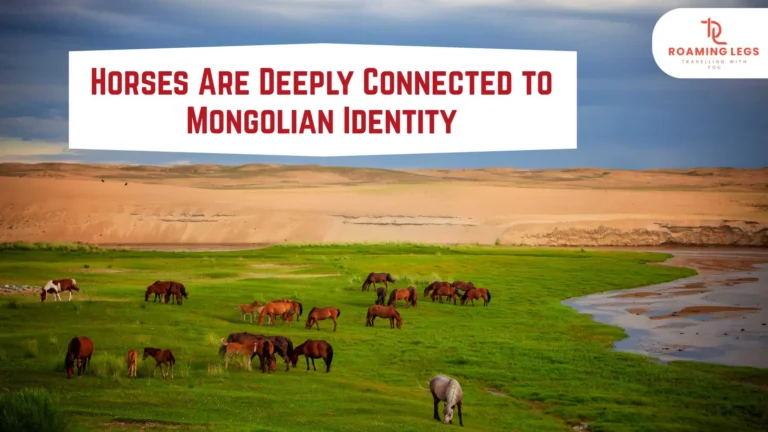
In Mongolia, horses are part of everyday culture.
Horses Are Part of Everyday Life, Not Just Tourism
For generations, horses helped with:
- Transportation
- Herding
- Countryside movement
- Family livelihood
Many Mongolian children learn riding skills from a very young age.
That’s why Mongolia horse culture feels natural instead of performative.
Why Mongolian Horse Culture Feels Different
The connection between people and horses feels stronger because of the open landscapes.
Watching horses move freely across the steppe becomes one of the most iconic experiences in Mongolia.
For many locals, horses also represent:
- Freedom
- Strength
- Cultural pride
Festivals and Competitions Still Celebrate Horse Traditions
Traditional festivals still celebrate these customs today.
The most famous example is the Naadam Festival.
During Naadam, travelers experience:
- Horse racing
- Wrestling
- Archery
- Traditional celebrations
This keeps horse traditions Mongolia alive even in modern times.
Hospitality Plays a Huge Role in Nomadic Life
One thing travelers often remember most is the warmth of local people.
Guests Are Traditionally Welcomed With Respect
In many nomadic households, offering tea or food to guests is considered part of basic hospitality.
Travelers are often welcomed with:
- Milk tea
- Shared meals
- Friendly curiosity
And these moments usually feel genuine instead of commercial.
Why Human Connection Feels Stronger in Remote Areas
Countryside life naturally creates slower social interaction.
People spend more time talking and sharing stories.
Without constant digital distractions, conversations feel more personal.
That’s why Mongolian hospitality often leaves a strong emotional impact on travelers.
Travelers Often Remember the People More Than the Landscapes
The landscapes are beautiful.
But many travelers later remember:
- Family interactions
- Evening conversations
- Shared meals inside the ger
more than sightseeing itself.
That’s what makes many Mongolia cultural experiences feel emotionally meaningful.
How Nomadic Traditions Still Influence Modern Mongolia
Many travelers assume nomadic culture belongs only to history.
But that’s not true in Mongolia.
Many Families Still Maintain Countryside Nomadic Lifestyles
Across rural regions, many families still live through:
- Seasonal movement
- Animal herding
- Countryside living traditions
Modern tools may exist now, but the lifestyle itself continues.
Even Urban Mongolia Keeps Strong Cultural Connections
Even in cities, people remain connected to countryside traditions through:
- Festivals
- Family roots
- Cultural celebrations
This strong identity helps preserve Mongolian traditions even as modernization grows.
Why Travelers Feel Mongolia Has a Stronger Cultural Identity Than Many Destinations
In many countries, traditions feel packaged mainly for tourists.
In Mongolia, the culture still feels lived rather than displayed.
That authenticity creates stronger emotional connection for visitors.
Want to understand Mongolian customs, hospitality, and countryside life before your trip? Download a practical Mongolia cultural insights guide.
Why Travelers Become Emotionally Connected to Mongolia’s Culture
Many travelers arrive expecting beautiful scenery.
But they leave remembering how the lifestyle made them feel.
Nomadic Life Feels Simpler but Emotionally Richer
Life in the countryside often includes:
- Slower routines
- Nature connection
- Less screen time
- More human interaction
And for many people, that simplicity feels mentally refreshing.
Cultural Experiences Feel Less Commercialized
Many cultural travel Mongolia experiences still feel natural and unscripted.
Travelers experience real daily life instead of staged performances.
That’s why the emotional connection often feels stronger.
Many Travelers Leave With a Different Perspective on Modern Life
After spending time in Mongolia, many travelers start appreciating:
- Slower living
- Simpler routines
- Human connection
- Quietness
And sometimes, those feelings stay longer than the trip itself.
Summer Is the Best Season for Experiencing Nomadic Culture
Summer is usually the easiest season for first-time cultural travelers.
Countryside Life Becomes More Active During Summer
During summer, travelers experience:
- Horse culture
- Festivals
- Outdoor gatherings
- Active countryside routines
This makes Mongolia summer culture experiences much more immersive.
Travelers Experience More Cultural Interaction During Summer
Warmer weather also improves:
- Ger stays
- Countryside access
- Cultural visits
- Outdoor activities
That’s why many consider summer the best time for Mongolia cultural travel.
Want deeper insights into Mongolian traditions, customs, and countryside life? Download the Mongolia cultural insights ebook before your trip.
Mongolia’s Culture Feels Powerful Because It Still Feels Alive
Many traditions around the world slowly become performances for tourists.
Mongolia feels different because the culture still shapes real life.
People still live these traditions daily.
That’s why travelers connect emotionally with the experience.
The slower pace.
The human warmth.
The simplicity.
The openness.
In Mongolia, travelers often realize they are not simply learning about nomadic culture.
They are briefly experiencing a completely different rhythm of life.
FAQs About Mongolia’s Nomadic Culture
It is a lifestyle based on seasonal movement, livestock care, ger living, and strong family traditions connected with nature.
Yes.
Many countryside families still maintain nomadic lifestyles, although modern tools and transportation are also used today.
A ger is a portable traditional Mongolian home designed for nomadic living and changing weather conditions.
Horses are deeply connected with transportation, identity, herding traditions, and cultural festivals.
Yes.
Many guided tours offer ger stays, cultural experiences, and opportunities to interact with nomadic families.
