Many Indian travelers assume they can cover everything in 6–7 days. They land in Hanoi, fly to Da Nang, rush to Ho Chi Minh, and return exhausted.
The result? Too much travel. Very little experience.
The truth is simple: North and South Vietnam feel completely different.
Different landscapes. Different vibe. Different weather. Different experiences.
So before booking flights for your Vietnam itinerary from India, you need to decide one thing:
North or South?
Let’s break it down clearly so you can plan your perfect Vietnam trip without confusion.
North vs South Vietnam – What’s the Difference?
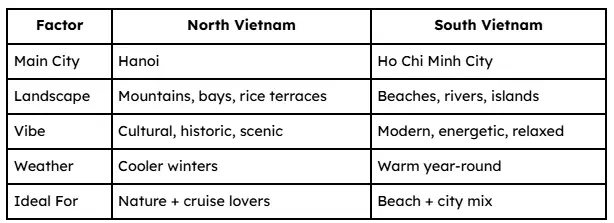
Here’s a quick overview to understand the basics.
If you are wondering which is the best region to visit in Vietnam, the answer depends on what you enjoy more — mountains and cruises or beaches and nightlife.
Now let’s explore each side in detail.
Why Choose North Vietnam?
North Vietnam is known for natural beauty and cultural charm.
If you like scenic landscapes and quieter experiences, this region may suit you better.
Hanoi – Culture & Old Quarter
Hanoi is the capital of Vietnam.
What you’ll experience:
Narrow streets of Old Quarter
Local street food
Hoan Kiem Lake
French colonial buildings
Cafes and local markets
Hanoi feels traditional and cultural. It’s slower compared to Ho Chi Minh.
For many travelers planning a North Vietnam itinerary, Hanoi is the perfect starting point.
Halong Bay – Cruise Experience
If you’ve seen photos of limestone islands rising from blue water, that’s Halong Bay.
Most travelers do:
1-night or 2-night cruise
Kayaking between limestone rocks
Sunset on cruise deck
Cave exploration
Is Halong Bay worth visiting?
Absolutely yes — if you enjoy nature and peaceful views.
It’s one of the most iconic experiences in Vietnam.
For honeymoon couples, Halong Bay cruise feels romantic and unique.
Sapa – Mountain Views & Rice Terraces
Located near the Chinese border, Sapa offers:
Mountain trekking
Green rice terraces
Cool weather
Village stays
Best for:
Adventure lovers
Nature photography
Cooler climate lovers
However, Sapa requires more travel time, so include it only if you have at least 7–8 days.
North Vietnam itinerary works best for travelers who love scenic beauty and cultural depth.
Why Choose South Vietnam?
South Vietnam feels more modern and energetic.
If you prefer city life mixed with beach relaxation, South is a strong option.
Ho Chi Minh City – Urban Energy
Ho Chi Minh City (formerly Saigon) is:
Busy
Vibrant
Full of cafes
Rich in history
Top experiences include:
Cu Chi Tunnels
War Remnants Museum
Rooftop bars
Shopping streets
Compared to Hanoi, Ho Chi Minh feels more modern and fast-paced.
If you enjoy nightlife and café culture, you may prefer this city.
Mekong Delta – River Life
From Ho Chi Minh, you can visit Mekong Delta.
Here you’ll see:
Floating markets
River villages
Boat rides
Coconut farms
It’s a relaxed day trip experience.
Phu Quoc – Beach Escape
Now let’s talk about beaches.
Phu Quoc is South Vietnam’s beach island.
It offers:
Clear water beaches
Island resorts
Snorkeling
Relaxed vibe
If you are comparing Halong Bay vs Phu Quoc, the difference is simple:
Halong Bay = Cruise + limestone scenery Phu Quoc = Beach + island relaxation
Phu Quoc is ideal if you want a beach break in your Vietnam trip from India.
Halong Bay vs Phu Quoc – Which Should You Choose?
Let’s compare clearly.
If you love dramatic landscapes and photography, choose Halong Bay.
If you want beach time and island vibes, choose Phu Quoc.
Both are beautiful — just different.
Vietnam 6–7 Day Itinerary Options
Now let’s structure this practically.
Option 1: North Vietnam Focus (6 Days)
Day 1: Arrival in Hanoi Day 2: Hanoi city exploration Day 3–4: Halong Bay cruise Day 5: Ninh Binh or Sapa Day 6: Departure
This works well if you want nature and culture.
Option 2: South Vietnam Focus (6 Days)
Day 1: Arrival in Ho Chi Minh Day 2: Cu Chi Tunnels + City Day 3: Mekong Delta Day 4–5: Phu Quoc island Day 6: Return
This plan is relaxed and beach-friendly.
Option 3: 8–10 Day Combined Plan
If you have more time:
3–4 days North
Internal flight
3–4 days South
Can you cover North and South Vietnam in one week?
Technically yes — but it becomes rushed.
For comfort, 8–10 days is better.
Weather Comparison – North vs South
Weather plays a big role.
North Vietnam
December–February: Cooler (10–20°C)
March–April: Pleasant
Summer: Hot and humid
South Vietnam
Warm year-round
Tropical climate
More consistent temperatures
If you’re traveling in winter from India and prefer mild weather, North is comfortable.
If you want beach weather anytime, South is safer.
Which Region Is Right for You?
Let’s simplify this.
Honeymoon Couples
Halong Bay cruise for romantic views
Phu Quoc for beach honeymoon
Both work depending on vibe preference.
Adventure Lovers
Choose North Vietnam for:
Trekking
Mountain views
Scenic landscapes
Beach Lovers
Choose South Vietnam, especially Phu Quoc.
First-Time Travelers from India
If you have only 6–7 days, choose one region only.
Don’t try covering entire country in one trip.
Vietnam is long and internal travel takes time.
Final Advice – Don’t Rush Vietnam
North vs South Vietnam is not about which is better.
It’s about what suits your travel style.
If you want:
Scenery + Cruise + Culture → Choose North City + Beaches + Relaxation → Choose South
Trying to cover everything in 6 days will reduce the experience quality.
Plan smartly. Focus on one region if time is limited.
Vietnam itinerary from India becomes smooth when you:
Choose correct entry city
Decide on one region
Allocate enough days
Avoid overpacking schedule
Vietnam is beautiful in both North and South.
The perfect itinerary is not about covering maximum places.
It’s about covering the right places at the right pace.
Vietnam is becoming one of the most popular international destinations for Indian travelers.
It’s affordable. It has beaches, mountains, nightlife and culture. Food is interesting. Flights are short.
But before you book your India to Vietnam tour, there are a few important things you must understand:
Vietnam e-visa process
Flight routes from India
Entry cities (Hanoi vs Ho Chi Minh)
Currency and local payments
Basic travel tips
If you get these right, your Vietnam trip from India will be smooth and stress-free.
Let’s break everything clearly.
Vietnam E-Visa Process for Indian Travelers
The first question everyone asks:
Do Indians Need Visa for Vietnam?
Yes. Indian passport holders must apply for a visa before traveling to Vietnam.
But the good news is — Vietnam offers an e-visa.
That means you don’t need to visit the embassy. Everything is done online.
How to Apply for Vietnam E-Visa from India
The Vietnam e-visa for Indians is simple if done carefully.
Here’s the step-by-step process:
Visit the official Vietnam e-visa website
Fill in personal details
Upload passport scan (clear and valid for 6 months)
Upload passport-size photo
Select entry and exit airport
Pay visa fee online
Wait for approval
Processing time is usually 3–5 working days.
You will receive the approved visa by email. Print it and carry it with you.
Important Things to Be Careful About
Many travelers make small mistakes that cause delays.
Avoid these errors:
Typing wrong passport number
Selecting wrong arrival airport
Applying at the last minute
Uploading unclear passport photo
Vietnam visa process from India is easy, but you must double-check all details before submitting.
Visa Validity
Standard Vietnam e-visa:
Valid for 30 days
Single entry
If you are planning to visit Cambodia or Thailand in between and re-enter Vietnam, you must apply carefully based on your route.
Always check Vietnam entry requirements before booking flights.
Flights from India to Vietnam – Routes & Options
Now let’s talk about flights.
One reason Vietnam tour from India is growing fast is because of better connectivity.
Direct Flights from India to Vietnam
Currently, direct flights operate from:
Delhi
Mumbai
Kolkata
These flights usually land in:
Hanoi (North Vietnam)
Ho Chi Minh City (South Vietnam)
Flight duration:
4 to 5 hours for direct flights
This is shorter than many long domestic Indian flights.
Connecting Flights
If you’re flying from Bangalore, Chennai, Hyderabad or other cities, you may need:
One layover (Bangkok, Kuala Lumpur, Singapore etc.)
Total travel time 7–10 hours
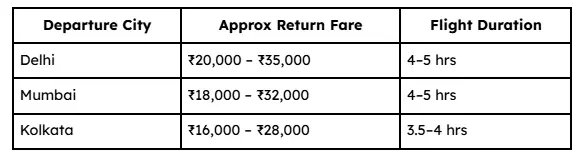
Vietnam Flight Cost from India
Average return fares:
Prices increase during:
October to March (peak tourism season)
Long weekends
New Year period
If you book 2–3 months early, you can find good deals.
Flights from India to Vietnam are affordable compared to Europe or Japan.
Which City Should You Enter – Hanoi or Ho Chi Minh?
This is an important decision.
Vietnam is long and narrow. North and South offer very different experiences.
Hanoi – North Vietnam
If you land in Hanoi, you can explore:
Ha Long Bay
Ninh Binh
Sapa
Old Quarter in Hanoi
North Vietnam feels more scenic and cultural.
Ha Long Bay cruise is one of the highlights of any Vietnam itinerary from India.
If you have 5–6 days and want nature + mountains + cruise, start in Hanoi.
Ho Chi Minh City – South Vietnam
If you land in Ho Chi Minh City (formerly Saigon), you can explore:
Cu Chi Tunnels
Mekong Delta
Phu Quoc island
Vibrant nightlife
South Vietnam feels more modern and lively.
If you prefer city vibe + beaches, start here.
How to Decide?
For 5–6 days: Choose either North or South.
For 8–10 days: Start in Hanoi and fly internally to Ho Chi Minh.
Internal flights in Vietnam are affordable and convenient.
Choosing the right Vietnam travel route from India helps you avoid unnecessary travel time.
Vietnam Currency for Indian Travelers
Now let’s talk money.
Vietnam’s currency is Vietnamese Dong (VND).
Can Indians Use INR in Vietnam?
No. Indian Rupees are not accepted.
You have three main options:
Exchange INR to USD in India and convert to VND in Vietnam
Carry international debit/credit card
Withdraw VND from ATM in Vietnam
In major cities like Hanoi and Ho Chi Minh:
Cards are widely accepted
Hotels accept cards
Cafes and restaurants often accept cards
But small shops and local markets prefer cash.
How Much Cash Should You Carry?
For daily expenses, keep around:
₹2,000–₹3,000 worth VND per day (per person) for food and local transport if not prepaid.
Vietnam is affordable.
Example daily expenses:
Meal at local restaurant: ₹300–₹700
Coffee: ₹150–₹300
Local taxi ride: ₹200–₹500
Vietnam currency for Indian travelers is manageable and not confusing.
Just avoid exchanging money at airport counters due to higher rates.
How Much Does an India to Vietnam Tour Cost?
Let’s break it realistically.
Budget Vietnam Trip (6 Days)
Flights: ₹25,000 Hotels (₹3,000 per night x 5): ₹15,000 Food: ₹6,000 Internal travel & tours: ₹10,000 Visa: ₹2,000 approx
Total per person: ₹55,000 – ₹70,000
Mid-Range Vietnam Trip (7–8 Days)
Flights: ₹28,000 Hotels (₹6,000 per night x 6): ₹36,000 Food: ₹10,000 Tours & activities: ₹15,000 Visa: ₹2,000
Total per person: ₹90,000 – ₹1.1 lakh
Vietnam trip cost from India is much lower than Europe or Japan.
That’s why it’s becoming popular among young Indian travelers.
Important Travel Tips for Indians Visiting Vietnam
Here are practical travel tips you should know.
1. Buy SIM Card at Airport
Vietnam airport SIM cards are cheap and easy to activate.
Internet helps for:
Maps
Booking taxis
Translating menus
2. Use Grab App for Transport
Grab is like Uber.
It’s reliable and affordable.
Avoid random street taxis if possible.
3. Vegetarian Food Availability
Vietnam food is mostly non-vegetarian.
But in major cities:
Indian restaurants are available
Vegan cafes are growing
You can request “no meat” dishes
Learn a few basic food phrases or use translation app.
4. Language Barrier
English is spoken in:
Hotels
Tourist areas
Airports
But local markets may have limited English.
Use Google Translate for help.
5. Weather Differences
North Vietnam (Hanoi region):
Cooler in winter
Slightly colder in December–January
South Vietnam (Ho Chi Minh region):
Warm and humid year-round
Best time to visit Vietnam: October to April for pleasant weather.
Ideal Duration for Vietnam from India
How many days are enough for Vietnam?
5 Days
Focus on one region (North or South).
7 Days
Explore North Vietnam comfortably.
9–10 Days
Combine North + Central (Da Nang, Hoi An) or North + South.
Vietnam is not a 3-day destination.
Minimum 6–7 days is recommended for proper experience.
Is Vietnam Easy from India? Yes – If You Plan Smart
Let’s summarize.
Vietnam e-visa is simple and online. Direct flights are available from major cities. Currency is easy to manage. Food is affordable. Internal travel is smooth.
India to Vietnam tour planning becomes easy if you:
Apply visa correctly
Choose right entry city
Book flights early
Carry proper currency
Vietnam offers culture, history, beaches and nightlife — all in one country.
If you plan smartly, your Vietnam trip from India can be affordable, smooth and memorable.
Before booking, make sure your visa, route and budget are clearly planned.
Once that’s done, Vietnam is one of the easiest and most value-for-money international trips for Indian travelers.