
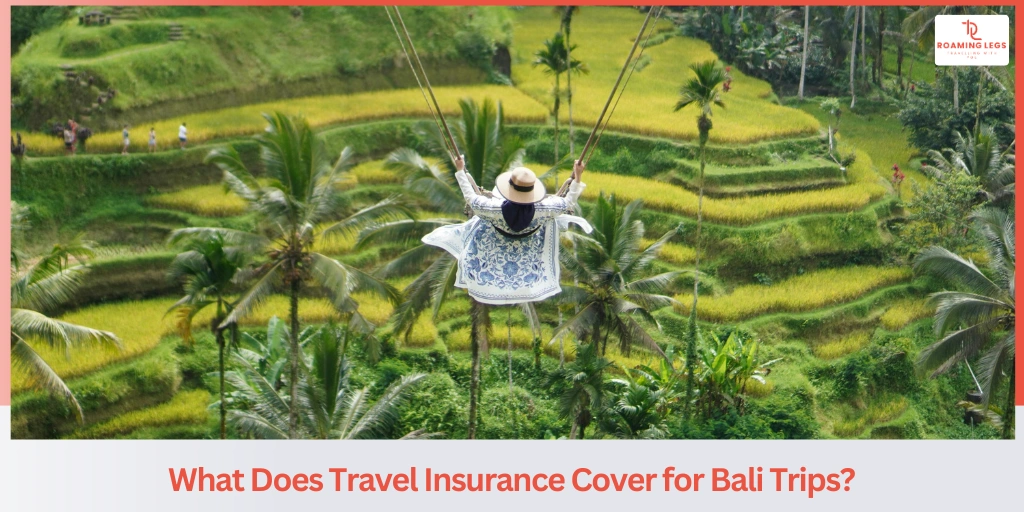
Do you actually need travel insurance for a Bali trip from India? And if yes, which one — and does it cover the things that actually go wrong in Bali?
Here’s the honest answer: travel insurance is not mandatory for Bali (Indonesia doesn’t require it for the Visa on Arrival).
But skipping it is one of the biggest financial mistakes Indian travelers make.
A single night at BIMC Hospital in Nusa Dua — Bali’s most popular private hospital for tourists — can cost ₹25,000–₹85,000.
A scooter accident with surgery? Easily ₹7–15 lakh out of pocket.
Without insurance, that’s coming out of your own account.
This guide covers which Indian travel insurance plans actually work for Bali, what they cover (and what they quietly exclude), real premium costs in INR, and the three things most travelers forget to check before buying.
Bali Travel Insurance at a Glance
Quick answers to the most common insurance questions.
| What You Want to Know | Quick Answer |
|---|---|
| Is it mandatory? | No, Indonesia doesn't require it for tourist entry |
| Is it recommended? | Yes, strongly, especially for adventure activities |
| Cheapest option from India | TATA AIG Silver Plan from ₹26/day |
| Best coverage for adventure sports | HDFC Ergo Platinum or TATA AIG Gold Plan |
| Does it cover scooter accidents? | Only if you have a valid licence and wore a helmet |
| Does it cover scuba diving? | Usually excluded, needs an add-on or specialist plan |
| Best time to buy | Same day you book your flights or Bali package |
Is it mandatory?
Is it recommended?
Cheapest option from India
Best coverage for adventure sports
Does it cover scooter accidents?
Does it cover scuba diving?
Best time to buy
Why Bali Specifically Needs Good Insurance (Not Just Any Insurance)
Bali is not a “low-risk” destination just because it’s popular.
Three things happen to Indian tourists here more than anywhere else we send clients:
Scooter accidents are the number one cause of tourist hospitalization in Bali.
The roads in Kuta, Canggu, and Ubud are chaotic, and many travelers rent scooters without an international driving permit.
BIMC Hospital Kuta — one of the most visited private hospitals for tourists — charges ₹12,000–₹25,000 for an ER visit plus treatment, and that’s for minor injuries.
Fractures requiring surgery can run ₹5–12 lakh.
Adventure activity injuries — Bali is full of ATV rides, white-water rafting on the Ayung River, surf lessons, cliff jumps at Blue Lagoon Beach, and scuba diving around Amed and Tulamben.
Most standard insurance plans don’t automatically cover these.
You need to specifically check or buy an add-on.
Dengue fever and stomach infections are common, especially during and after the wet season (November–March).
A private hospital stay for dengue monitoring at SOS Medika Kuta runs ₹30,000–₹60,000 for 2–3 days. Without insurance, that’s a painful surprise at the end of what was supposed to be a holiday.
One client of ours — a couple from Pune who traveled to Bali last October — got into a minor scooter accident in Seminyak.
No serious injuries, but an ER visit, X-ray, and dressing at BIMC Kuta cost them IDR 4,200,000 (roughly ₹18,500).
Their insurance reimbursed the full amount within 10 days of returning to India.
Which Indian Travel Insurance Plans Work Best for Bali?
There are dozens of options.
Here’s what actually matters and what the real differences are between the popular ones.
TATA AIG Travel Insurance — Best for Most Indian Travelers
TATA AIG is the most commonly bought travel insurance for Bali among Indian travelers, and for good reason.
Their plans are straightforward, the claim process is digital, and the premiums are among the lowest in India.
TATA AIG Silver Plan: Starts at ₹26/day.
Medical coverage up to $50,000.
Good for travelers on a budget or short trips (5–7 days).
Covers medical emergencies, hospitalization, trip cancellation, baggage loss, and passport assistance. Does not include adventure sports as standard.
TATA AIG Gold Plan: Starts at ₹36/day. Medical coverage up to $250,000.
This is what we recommend for most Bali trips — especially if you are doing any outdoor activities.
The higher medical limit matters because BIMC hospital bills are in USD, and $50,000 can disappear fast if there’s a serious injury.
For a 7-night Bali trip, a 30-year-old Indian traveler pays approximately ₹1,800–₹2,500 for the Gold Plan. That’s less than one dinner at Merah Putih in Seminyak — and it protects a trip worth ₹1+ lakh.
HDFC Ergo Travel Insurance — Best for Higher Coverage
HDFC Ergo offers four plans: Silver, Gold, Platinum, and Titanium, with sum insured ranging from USD 50,000 to USD 500,000.
Their Platinum plan is what serious Bali adventure travelers should look at — it includes higher medical limits, emergency dental coverage, and can accommodate add-ons for adventure sports.
Premium for a 7-day Bali trip on the Gold plan for a 35-year-old is approximately ₹2,200–₹3,000.
The Platinum plan runs slightly higher but gives significantly better medical cover.
Niva Bupa Travel Insurance — Best Entry-Level Option
Niva Bupa (formerly Max Bupa) offers one of the most affordable entry points — plans starting at ₹459 for a week.
Good if your trip is fully non-adventurous (beach, restaurants, sightseeing only) and you mainly want basic medical + trip cancellation cover. Not ideal if you are doing ATV, surfing, or scuba.
Not Sure Which Travel Insurance Is Right for Your Bali Trip?
The right travel insurance depends on your travel dates, planned activities, and group size. Send us your trip details on WhatsApp and we'll recommend the most suitable cover, explain what's worth paying for, highlight important exclusions, and help you avoid expensive surprises. Completely free with no obligation.
Right Policy
Recommendations based on your itinerary and travel style.
Activity Coverage
Check whether your planned adventures are protected.
Fine Print Explained
Understand exclusions, limits, and important conditions.
Free WhatsApp Advice
Receive personalised insurance guidance within 24 hours.
What Does Bali Travel Insurance Actually Cover?
This is where most people get surprised — because what’s covered on paper and what actually gets paid can differ.
Here’s a plain-language breakdown.
Medical Emergencies and Hospitalization
This is the core reason to buy insurance.
Covers doctor consultations, emergency treatment, hospital stay, medicines, ambulance services, and surgery if needed.
Private hospitals in Bali like BIMC Nusa Dua (the first hospital in Indonesia to receive Australian healthcare accreditation) and SOS Medika charge tourist rates — often 20–50% higher than local rates. Always choose a plan with at least $100,000 medical coverage for Bali.
Emergency Medical Evacuation
If you have a serious accident and need to be flown back to India for treatment, evacuation alone can cost ₹5–20 lakh.
Almost all comprehensive plans cover this, but always verify the evacuation limit is separate from the general medical limit — some cheaper plans bundle them together, which reduces the effective cover.
Trip Cancellation and Interruption
Covers prepaid, non-refundable costs (flights, hotels, tour packages) if you have to cancel due to a covered reason — serious illness, family emergency, natural disaster.
One practical note: “change of mind” or “work got busy” is not a covered reason.
Read the covered reasons list before buying.
Baggage Loss and Delay
Covers replacement costs if your baggage is lost by the airline, or reimburses essentials (clothes, toiletries) if your bag arrives more than 12 hours late.
AirAsia and Batik Air — two of the most popular airlines for the India–Bali route — have had periodic baggage delay issues at Kuala Lumpur Sentral and KL International Airport.
This cover is genuinely useful on this route.
Passport and Travel Document Assistance
Covers emergency passport replacement costs and provides legal assistance if your passport is lost or stolen in Bali.
Not the most exciting feature, but it matters — replacing an Indian passport abroad involves the Indian Embassy in Jakarta plus Indonesian authorities, and the process takes time and money.
Flight Delay Compensation
Covers meals, accommodation, and incidentals if your flight is delayed beyond a set threshold (usually 6–12 hours depending on the plan).
Given that most India–Bali flights connect through Kuala Lumpur or Singapore, connection delays happen — this is worth having.
What Is Usually NOT Covered — The Fine Print Most People Miss
This section is as important as the coverage list.
Three things consistently catch Indian Bali travelers off guard:
Scooter accidents without a valid licence. This is the biggest exclusion most people don’t know about. If you ride a scooter in Bali without an international driving permit (IDP) or a valid Indian licence converted for Indonesian roads, your insurer will likely reject the claim. Always get an IDP from the Automobile Association of India before traveling if you plan to ride.
Scuba diving at depth. Standard plans either exclude scuba entirely or only cover recreational diving above 10 metres.
If you are diving in Amed, Tulamben (USS Liberty wreck is at 28m), or Nusa Penida, you need a specialized plan or an add-on.
Decompression sickness treatment at a hyperbaric chamber in Bali costs $5,000–$15,000.
DAN (Divers Alert Network) offers diving-specific insurance from around ₹5,700/year and is what serious divers should carry.
Pre-existing medical conditions. If you have diabetes, hypertension, heart conditions, or any chronic illness, standard travel insurance will exclude claims related to those conditions unless you specifically declare them and pay for a pre-existing condition waiver.
Always disclose — non-disclosure voids the policy.
Planning Your Bali Trip from India? Get Your Personalised Departure Checklist
Whether you're travelling as a family, honeymoon couple, or adventure group, the right preparation makes all the difference. Share your travel dates and itinerary on WhatsApp, and we'll send you a customised pre-departure checklist covering travel documents, packing essentials, airport preparation, and the travel insurance coverage you should have for your planned activities.
Departure Checklist
Everything to complete before leaving India.
Packing Essentials
Carry the right items for your itinerary.
Insurance Checklist
Know what your policy should cover for your activities.
Free WhatsApp Guide
Your personalised checklist delivered within 24 hours.
How Much Does Bali Travel Insurance Cost from India?
A realistic comparison for a 30-year-old Indian traveller on a 7-night Bali trip.
| Insurance Plan | Medical Coverage | Premium (7 nights) | Best For |
|---|---|---|---|
| TATA AIG Silver | USD 50,000 | ₹1,100–₹1,500 | Budget trips, sightseeing only |
| TATA AIG Gold | USD 250,000 | ₹1,800–₹2,500 | Most Bali trips, light adventure |
| HDFC Ergo Gold | USD 100,000 | ₹2,000–₹2,800 | Standard trips with good medical cover |
| HDFC Ergo Platinum | USD 500,000 | ₹3,200–₹4,500 | Heavy adventure, families, seniors |
| Niva Bupa Basic | USD 50,000 | ₹459–₹900 | Non-adventure, very budget-conscious |
TATA AIG Silver
TATA AIG Gold
HDFC Ergo Gold
HDFC Ergo Platinum
Niva Bupa Basic
How and When to Buy Travel Insurance for Bali
Buy it the same day you book your flights.
Not three days before departure — the same day.
Here’s why: trip cancellation coverage only kicks in for events that happen after you buy the policy.
If you book flights in January, plan to fly in May, and something happens in March (medical emergency, family bereavement), you’re covered if you bought insurance in January but not if you waited until April.
Where to buy: PolicyBazaar.com lets you compare TATA AIG, HDFC Ergo, Niva Bupa, Bajaj Allianz, and others side by side on price and coverage.
TATA AIG’s own website (tataaig.com) often has direct deals.
Both are fine — just verify you’re buying the right plan for your activities.
What to carry during the trip: Keep a digital copy of your insurance certificate on your phone (Google Drive or WhatsApp yourself the PDF).
Note the emergency assistance number — for TATA AIG it’s a 24/7 international helpline, and you’ll call it before going to the hospital, not after.
Most insurers require pre-authorization for hospitalization above a certain amount.
What Indian Travelers Actually Ask Before Buying Bali Travel Insurance
Rahul & Priya Kapoor, Mumbai — Bali Trip April 2025 “We almost skipped insurance to save ₹2,000. Our travel agent at Roaming Legs convinced us to get the TATA AIG Gold Plan.
Priya had a bad allergic reaction in Ubud — ER visit at BIMC plus medicines came to ₹22,000.
Insurance covered everything.
That ₹2,200 premium saved us ₹22,000.”
Ananya Shetty, Bengaluru — Solo Trip September 2025 “I was going surfing in Kuta and doing a scuba dive in Amed.
Roaming Legs specifically told me my standard plan wouldn’t cover scuba and helped me get an add-on.
Nothing went wrong, but knowing I was actually covered made the experience so much more relaxed.”
Bali Travel Insurance for Indian Travelers
Frequently Asked Questions
1. Is travel insurance mandatory for visiting Bali from India?
No — Indonesia does not require travel insurance for the Visa on Arrival that Indian passport holders use. But it is strongly recommended. A single hospitalization at BIMC Hospital in Bali can cost ₹20,000–₹80,000, and serious accidents run into lakhs. The insurance premium for a 7-night trip is ₹1,500–₹4,500 — a small fraction of your total trip cost.
2. Which is the best travel insurance for Bali from India?
TATA AIG Gold Plan (from ₹36/day, USD 250,000 medical cover) is what we recommend for most Indian travelers going to Bali. HDFC Ergo Platinum is better for families traveling with seniors or anyone doing heavy adventure activities. Niva Bupa is an affordable option for non-adventure trips. Compare all three on PolicyBazaar before buying.
3. Does travel insurance cover scooter accidents in Bali?
Only if you were riding legally — meaning you have a valid International Driving Permit (IDP) or a valid Indian licence that covers motorcycles, were wearing a helmet, and were following local traffic rules. If you rent a scooter without a valid licence and get into an accident, most insurers will reject the medical claim. Get an IDP from the Automobile Association of India before your trip.
4. Does travel insurance cover scuba diving in Bali?
Standard travel insurance plans typically exclude scuba diving or limit coverage to very shallow recreational dives. If you are diving at popular Bali sites like the USS Liberty wreck in Tulamben (28m depth) or Manta Point in Nusa Penida, you need a diving-specific plan. DAN (Divers Alert Network) offers coverage from approximately ₹5,700/year and is widely recognized globally.
5. How much medical coverage should I have for a Bali trip?
At minimum, USD 100,000 — but USD 250,000 is more realistic given hospital costs for serious injuries in Bali. The TATA AIG Gold Plan at USD 250,000 gives adequate cover for most scenarios. If you are traveling with seniors above 60, look at USD 500,000 plans — the Platinum options from HDFC Ergo or TATA AIG cover this.
6. Does travel insurance cover trip cancellation if I change my mind?
No. "Change of mind," work commitments, or general anxiety are not covered reasons for cancellation. Covered reasons typically include: serious illness or death of the insured or immediate family member, natural disasters affecting the destination, airline bankruptcy, or government-imposed travel bans. Always read the covered reasons list before purchasing.
7. Can I buy travel insurance after I've already arrived in Bali?
Some insurers allow post-departure purchase, but coverage is significantly limited — typically excludes anything that occurred before the purchase date and may exclude pre-existing conditions more strictly. Buy before you leave India, ideally the same day you book your flights.
8. Does travel insurance cover dengue fever treatment in Bali?
Yes — dengue fever is treated as a medical emergency under standard travel insurance plans. A private hospital stay for dengue monitoring in Bali (2–3 nights at hospitals like SOS Medika Kuta) costs ₹30,000–₹60,000. This is fully covered under any comprehensive plan's hospitalization benefit.
9. What happens if I need emergency medical evacuation from Bali?
Most comprehensive plans cover emergency medical evacuation — which means being airlifted or transported back to India for treatment if local hospitals can't handle the case. Evacuation alone costs ₹5–20 lakh. Always verify your plan covers evacuation separately from the standard medical limit, not combined into the same pool.
10. Does travel insurance cover COVID-19 or infectious disease in Bali?
Coverage varies by insurer and plan. Some plans include COVID-19 treatment under the medical emergency benefit. Others require a specific add-on. TATA AIG and HDFC Ergo both offer COVID-related hospitalization cover in some of their international plans — check the policy wording before buying if this is a concern.
11. Is travel insurance more expensive for senior citizens visiting Bali?
Yes, significantly. A 60-year-old traveler typically pays 2–3x the premium of a 30-year-old for the same coverage. For a 7-night Bali trip, expect ₹5,000–₹12,000 per person for a senior on a comprehensive plan. This is non-negotiable.
12. Do I need separate travel insurance if my credit card already covers travel?
Some premium Indian credit cards include travel insurance, but dedicated plans usually provide broader coverage.
13. How do I make a claim if something goes wrong in Bali?
Call your insurer's 24/7 international helpline before going to the hospital. Keep all bills and reports.
14. Does family travel insurance cover children on a Bali trip?
Yes. Family floater plans cover eligible children under one policy.
15. Should honeymooners buy travel insurance for Bali?
Absolutely. It protects prepaid bookings and medical emergencies.