Best Airports to Fly into Vietnam from India: Hanoi, Ho Chi Minh & More

Best Airports to Fly into Vietnam from India

If you’re flying from India to Vietnam, the best airport depends on where your journey begins, not simply on the cheapest airfare.

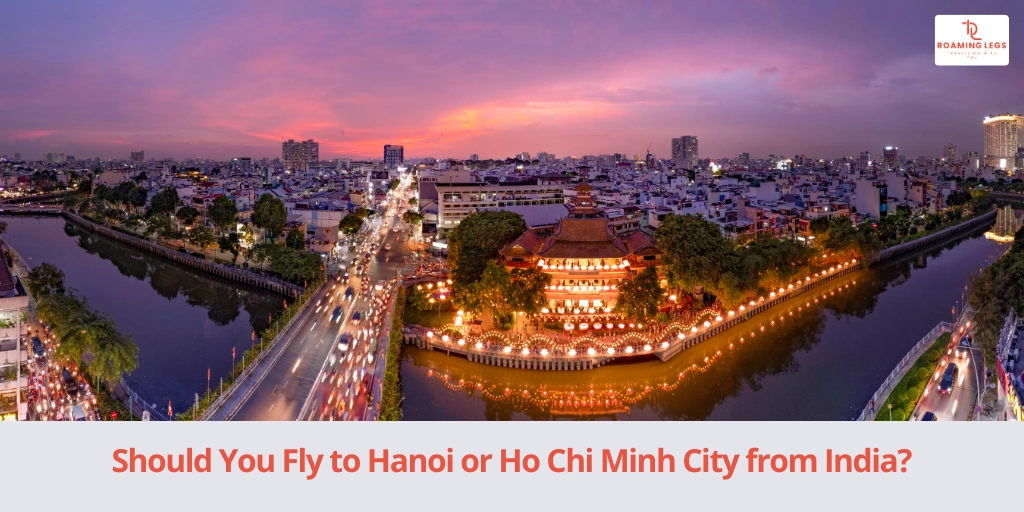
Many travelers compare Hanoi vs Ho Chi Minh City, while others also consider Da Nang because it’s the gateway to Central Vietnam.

Choosing the right airport can save travel time, reduce domestic flight costs, and make your itinerary much smoother.

  • Should I fly into Hanoi or Ho Chi Minh City?
  • Which airport is best for first-time visitors?
  • Is Da Nang a good arrival airport?
  • Which airport is closest to Halong Bay or Hoi An?
  • Which airport works best for my Vietnam itinerary?

The answers depend on where you plan to travel after landing.

Which Airport Is Best for Indian Travelers?

Most travelers from India arrive through one of Vietnam’s three international airports. The best choice depends on your itinerary rather than simply booking the cheapest ticket.

Airport Best For Choose It If…
Hanoi (HAN) North Vietnam You’re visiting Halong Bay, Sapa, Ninh Binh, or beginning a north-to-south itinerary.
Ho Chi Minh City (SGN) South Vietnam You’re exploring the Mekong Delta, Cu Chi Tunnels, or Phu Quoc.
Da Nang (DAD) Central Vietnam Your trip focuses on Da Nang, Hoi An, Hue, and nearby beaches.

Hanoi (HAN)

Best For:
North Vietnam
Choose It If:
You’re visiting Halong Bay, Sapa, Ninh Binh, or starting a north-to-south itinerary.

Ho Chi Minh City (SGN)

Best For:
South Vietnam
Choose It If:
You’re exploring the Mekong Delta, Cu Chi Tunnels, or Phu Quoc.

Da Nang (DAD)

Best For:
Central Vietnam
Choose It If:
Your itinerary focuses on Da Nang, Hoi An, Hue, and nearby beaches.

Quick Answer

  • Choose Hanoi if your itinerary begins in North Vietnam.
  • Choose Ho Chi Minh City if you’re exploring South Vietnam first.
  • Choose Da Nang if your vacation is centered around Central Vietnam.
  • The best airport isn’t always the cheapest—it’s the one that minimizes travel after you land.

Noi Bai International Airport (Hanoi)

Hanoi is the main international gateway for North Vietnam.

Most travelers who want to explore the northern part of the country start here.

Places Easily Reached from Hanoi

  • Halong Bay

  • Sapa

  • Ninh Binh

  • Hanoi Old Quarter

For example, if Halong Bay is on your itinerary, landing in Hanoi saves several hours of travel.

This is why many first-time visitors begin their Vietnam trip in Hanoi.

Tan Son Nhat International Airport (Ho Chi Minh City)

Ho Chi Minh City is Vietnam’s largest and busiest city.

Its airport, Tan Son Nhat, receives a large number of international flights.

This airport works well if your travel plans focus on the southern region.

Popular Places Near Ho Chi Minh City

  • Mekong Delta

  • Cu Chi Tunnels

  • Phu Quoc Island

Many travelers start their trip here and then move north through Vietnam.

Da Nang International Airport

Da Nang sits right in the middle of Vietnam.

This airport is often chosen by travelers whose trip focuses on Central Vietnam.

Destinations Close to Da Nang

  • Hoi An


  • Ba Na Hills


  • Hue


Flights from India to Da Nang are fewer compared to Hanoi or Ho Chi Minh City, but this airport is still very convenient if your itinerary is centered around central attractions.

Trying to organize your Vietnam itinerary?

Our Vietnam Travel Planner can help you map flights, visa steps, and your travel route across the country.

Direct Flight Routes from India to Vietnam Airports

Direct Flight Routes from India to Vietnam Airports

Direct Flights from India to Vietnam

Several airlines now operate direct flights from major Indian cities to Vietnam. If a direct flight isn’t available from your city, connecting flights through Southeast Asian hubs are often affordable and offer more schedule flexibility.

Popular Direct Routes

  • Delhi → Hanoi
  • Delhi → Ho Chi Minh City
  • Mumbai → Ho Chi Minh City
  • Mumbai → Hanoi
  • Kolkata → Hanoi
  • Bengaluru → Ho Chi Minh City

Common Transit Hubs

  • Bangkok
  • Singapore
  • Kuala Lumpur
  • Dubai
  • Doha
  • Hong Kong

Connecting flights can be a smart option if you’re heading to destinations like Da Nang, Hue, or Phu Quoc, as they often provide better timings and competitive fares.

Travel Tip

Choose your arrival airport based on your itinerary—not just the airfare. Flying into the airport closest to your first destination can save travel time, reduce domestic flight costs, and make your Vietnam trip much more convenient.

How to Choose the Best Airport for Your Vietnam Trip

Here’s a simple way to decide.

Think about the first place you want to visit in Vietnam.

Example Scenarios

Visiting Halong Bay or Sapa
→ Fly into Hanoi

Visiting Mekong Delta or Phu Quoc
→ Fly into Ho Chi Minh City

Visiting Hoi An or Ba Na Hills
→ Fly into Da Nang

Some travelers also arrive in one city and leave from another. That way they avoid long internal travel.

Preparing for a Vietnam trip?

Download our Vietnam Travel Checklist to organize flights, visa documents, and travel bookings.

Frequently Asked Questions About Vietnam Airports

Both work well. Hanoi suits travelers heading to northern attractions, while Ho Chi Minh City works better for southern routes.

Both work well. Hanoi suits travelers heading to northern attractions, while Ho Chi Minh City works better for southern routes.

Which airport is closest to Halong Bay?

Hanoi’s Noi Bai International Airport is the closest major airport to Halong Bay.

Can I fly into one city and leave from another?

Yes. Many travelers use multi-city flights — for example landing in Hanoi and departing from Ho Chi Minh City.

Which airport has the most international flights in Vietnam?

Ho Chi Minh City usually handles the largest number of international flights.

When Should Indians Book Flights to Vietnam?

Airfares often look better when tickets are booked about 1–2 months before travel.

Booking within that window usually gives:

  • more flight choices

  • better prices

  • flexible travel dates

During peak seasons like holidays or long weekends, fares can rise quickly.

Thinking about a Vietnam trip soon?

Our team can help with flights, visas, and ready-to-go travel packages.

Final Tips for Choosing the Best Airport in Vietnam

Final Tips for Choosing the Best Airport in Vietnam

Before finalizing your flights, keep these points in mind.

  • Choose the airport based on your itinerary

  • Compare flight routes before booking

  • Check domestic flight options within Vietnam

  • Plan arrival and departure cities carefully

Picking the right airport can save hours of travel inside the country.

Need help organizing your Vietnam trip?

Our travel specialists can assist with flights, visas, hotels, and complete Vietnam travel packages.

Frequently Asked Questions

Everything Indian travelers should know before deciding whether to fly into Hanoi, Ho Chi Minh City, or Da Nang.

Should I fly into Hanoi or Ho Chi Minh City from India?
Choose Hanoi if your itinerary focuses on North Vietnam, including Halong Bay, Sapa, or Ninh Binh. Choose Ho Chi Minh City if you’re visiting the Mekong Delta, Cu Chi Tunnels, or Phu Quoc.
Which city is better for first-time visitors?
Hanoi is best for culture and scenic landscapes, while Ho Chi Minh City is ideal for shopping, nightlife, and modern attractions.
Is it cheaper to fly to Hanoi or Ho Chi Minh City?
Prices change throughout the year. Compare both airports for your travel dates to find the most affordable option.
Can I arrive in Hanoi and depart from Ho Chi Minh City?
Yes. Many travelers choose this route to experience Vietnam from north to south without backtracking.
Which airport is best for Halong Bay?
Hanoi’s Noi Bai International Airport is the closest major airport. Halong Bay is approximately 2.5 to 3 hours away by road.
Is Da Nang a good airport to fly into?
Yes. It’s the best choice if you’re visiting Hoi An, Hue, Ba Na Hills, or Central Vietnam’s beaches.
Which airport has better domestic flight connections?
Both Hanoi and Ho Chi Minh City have excellent domestic networks connecting Vietnam’s major tourist destinations.
Which airport is better for a 7–10 day Vietnam itinerary?
A north-to-south route usually starts in Hanoi and ends in Ho Chi Minh City for the smoothest travel experience.
Which airport should honeymoon couples choose?
Hanoi suits couples planning Halong Bay cruises, while Ho Chi Minh City is ideal for beach holidays in Phu Quoc.
Does choosing the right airport save money?
Yes. Flying into the airport closest to your first destination reduces domestic flights, transfer costs, and travel time.

Best Flights from India to Vietnam: Routes, Airlines & Travel Tips

Best Flights from India to Vietnam: Routes, Airlines & Travel Tips

Here’s something that confuses many Indian travelers when they start booking flights to Vietnam.

Unlike destinations like Dubai or Bangkok, Vietnam doesn’t have just one main international airport. When you search flights, you suddenly see multiple options — Hanoi, Ho Chi Minh City, and sometimes Da Nang.

Then the questions start.

Should you land in Hanoi or Ho Chi Minh City?
Are there direct flights from India?
Which airline is best for this route?

Vietnam actually has several international entry points, and the best flight for you depends on your itinerary and travel plan.

Before booking flights to Vietnam, it helps to understand which routes and airlines are the most convenient for Indian travelers.

Best Flights from India to Vietnam: Routes, Airlines & Travel Tips

Vietnam has quickly become one of the most popular international destinations for Indian travelers. Whether you’re visiting Hanoi, Ho Chi Minh City, Da Nang, Ninh Binh, Ha Long Bay, or Phu Quoc, choosing the right flight can save both time and money.

Quick Answer: VietJet Air, Vietnam Airlines, IndiGo, Air India, Thai Airways, Singapore Airlines, and Malaysia Airlines offer convenient flight options from India to Vietnam. Many travelers can choose between direct and one-stop routes depending on their departure city.
✈️ Direct & Connecting Flights
🏙️ Multiple Departure Cities
⏱️ 4–10 Hour Journey
💰 Budget & Premium Airlines
📅 Daily Flight Options
🎒 Flexible Baggage Choices

Flight prices depend on the departure city, travel season, airline, baggage allowance, and booking date. Travelers flying during holidays and long weekends usually pay higher fares.

Travel Tip: Booking flights 4–8 weeks before departure often provides better fares and more flight options, especially for Hanoi and Ho Chi Minh City routes.

Are There Direct Flights from India to Vietnam?

Yes, direct flights between India and Vietnam are available, but only from selected cities.

Many travelers also choose connecting flights depending on the airline, ticket price, and destination city.

Quick Overview

  • Direct flights → Available from selected cities

  • Connecting flights → Via Southeast Asian hubs

  • Most common arrival cities → Hanoi and Ho Chi Minh City

Direct flights usually land in Hanoi or Ho Chi Minh City, which are the two main international gateways to Vietnam.

Major Airports in Vietnam for International Flights

Vietnam has multiple international airports, and choosing the right one can make your trip easier.

Here are the three main entry points.

Noi Bai International Airport – Hanoi

This airport is ideal if you’re planning to explore North Vietnam, including:

  • Hanoi

  • Halong Bay

  • Sapa

Many travelers starting their Vietnam itinerary in the north choose this airport.

Tan Son Nhat International Airport – Ho Chi Minh City

This is the busiest airport in Vietnam and the main gateway to South Vietnam.

Best if your travel plan includes:

  • Ho Chi Minh City

  • Mekong Delta

  • Phu Quoc Island

Da Nang International Airport

This airport is perfect for travelers heading to Central Vietnam, including:

  • Da Nang

  • Hoi An

  • Hue

Although fewer flights land here directly from India, it’s still a convenient option for central destinations.

Best Airlines Flying from India to Vietnam

Best Airlines Flying from India to Vietnam​

Now let’s talk about airlines.

Several international airlines operate flights between India and Vietnam.

Here’s a quick comparison.

Popular Airlines Flying from India to Vietnam

Indian travelers can choose between direct and one-stop flights depending on their budget, departure city, and preferred travel experience.

Vietnam Airlines

Direct / One Stop
📍 Hanoi / Ho Chi Minh City

Flag carrier offering comfortable service and strong domestic connectivity across Vietnam.

Singapore Airlines

One Stop
📍 Singapore

Premium airline known for excellent service, smooth connections, and comfort.

Thai Airways

One Stop
📍 Bangkok

Comfortable transit option with good regional connectivity across Southeast Asia.

AirAsia

One Stop
📍 Kuala Lumpur

Budget-friendly option often chosen by travelers focused on saving on airfare.

Travel Tip: If minimizing travel time is your priority, direct flights with VietJet Air are often the fastest option. Travelers seeking extra comfort frequently choose Vietnam Airlines or Singapore Airlines.

Budget vs Full-Service Airlines

Many travelers ask this question: Should I choose budget or full-service airlines?

Budget airlines like VietJet Air or AirAsia usually offer cheaper tickets, but services like meals or baggage may cost extra.

Full-service airlines like Singapore Airlines include:

  • onboard meals

  • higher baggage allowance

  • more comfortable seating

Your choice depends on your travel style and budget.

Planning your Vietnam trip budget?

Flights are often the biggest expense in international travel.

Download our Vietnam Trip Budget Planner for Indian travelers to estimate flight costs, hotels, visa fees, and attraction budgets.

Flight Duration from India to Vietnam

Travel time depends on your departure city and whether you take a direct or connecting flight.

Here’s the typical travel duration.

India to Vietnam Flight Duration by Departure City

Flight times vary depending on the airline, route, and whether you’re flying directly or with a transit stop. Most Indian travelers can reach Vietnam within 4–7 hours.

Delhi

4.5–6 Hours

Popular direct and connecting flights to Hanoi and Ho Chi Minh City.

Mumbai

5–7 Hours

Multiple airline options with direct and one-stop routes.

Bangalore

5–7 Hours

Convenient flight schedules with growing Vietnam connectivity.

Chennai

5–6 Hours

Good flight options for both leisure and business travelers.

Travel Tip: Kolkata usually offers some of the shortest travel times to Vietnam, while Delhi and Mumbai provide the largest number of flight choices and schedules.

Direct flights are obviously the fastest option.

Connecting flights may take longer depending on layover duration.

Popular Flight Routes from India to Vietnam

Here are the most common routes travelers use.

Direct Routes

  • India → Hanoi

  • India → Ho Chi Minh City

These routes are popular among travelers who want faster travel time.

Connecting Routes

Some travelers prefer connecting flights because they can be cheaper.

Common connecting routes include:

  • India → Bangkok → Vietnam

  • India → Singapore → Vietnam

These transit cities are major airline hubs with frequent connections to Vietnam.

Need help choosing the best flight route to Vietnam?

Our travel experts can help you compare routes, airlines, and travel timings.

India to Vietnam Flights FAQs

Everything Indian travelers need to know before booking flights to Vietnam.

Yes. Several airlines operate direct flights from major Indian cities such as Delhi, Mumbai, Kolkata, and Bengaluru to destinations like Hanoi and Ho Chi Minh City.

Vietnam Airlines is popular for comfort and connectivity, while VietJet Air is often chosen by travelers looking for affordable fares and direct routes.

Most flights take between 4 and 7 hours depending on the departure city, airline, and whether the route is direct or connecting.

Kolkata often offers some of the shortest flight durations to Vietnam because of its geographical proximity to Southeast Asia.

Hanoi is ideal for northern Vietnam attractions such as Ha Long Bay and Ninh Binh, while Ho Chi Minh City is a popular gateway for southern Vietnam.

Booking 4–8 weeks before departure often provides better fares and more flight options compared to last-minute bookings.

Prices vary each year, but flights are often more affordable during non-holiday periods and outside major festival seasons.

Baggage allowance depends on the airline and ticket type. Budget airlines may charge separately for checked luggage.

In many cases, connecting flights through Singapore, Bangkok, or Kuala Lumpur can be cheaper, although they increase total travel time.

Vietnam is a year-round destination, but many travelers prefer visiting between October and April when weather conditions are pleasant in most regions.

Cheapest Time to Book Flights to Vietnam

Flight prices can vary significantly depending on travel timing.

Several factors influence airfare.

Factors Affecting Flight Prices

  • travel season

  • holiday demand

  • advance booking timing

For example, flights during December holidays or peak summer travel months are usually more expensive.

Booking early often gives travelers better fares.

Tips to Find Affordable Flights from India to Vietnam

If you’re trying to save money on flights, here are some practical strategies travelers use.

Smart Booking Tips

  • Book flights 4–6 weeks in advance


  • Compare fares across multiple airlines


  • Choose mid-week travel dates


  • Check nearby departure airports


Small adjustments in travel dates can sometimes reduce ticket prices significantly.

Planning your Vietnam trip soon?

Download our Vietnam Travel Planning Checklist to organize flights, visa preparation, and travel documents.

Frequently Asked Questions About Flights from India to Vietnam

Which airlines fly from India to Vietnam?

Airlines operating this route include Vietnam Airlines, VietJet Air, Singapore Airlines, Thai Airways, and AirAsia.

What is the cheapest city to fly to Vietnam from India?

Cities like Delhi and Kolkata often offer competitive fares because of strong airline connectivity.

How long does it take to fly from India to Vietnam?

Typical travel time ranges between 4.5 and 7 hours, depending on the route and layover.

Is Vietnam closer to India than Thailand?

Thailand is slightly closer to India, which is why flights to Bangkok are often shorter than flights to Vietnam.

When Should Indians Book Flights to Vietnam?

If you want better ticket prices, try booking flights 1–2 months before travel.

This usually gives:

  • lower fares

  • better flight options

  • more convenient timings

Ticket prices often rise during peak travel seasons.

Planning your Vietnam trip soon?

Our travel experts can help with flight bookings, visa guidance, and Vietnam tour packages.

Final Tips for Booking Vietnam Flights

Final Tips for Booking Vietnam Flights​

Before booking your tickets, keep these quick tips in mind.

  • Compare airlines before booking

  • Check baggage allowance carefully

  • Choose flights based on your itinerary

  • Book early during peak travel seasons

These small checks can help you choose the best flight option.

Need help planning your Vietnam trip?

Our travel experts can assist with flights, visas, hotels, and complete Vietnam tour packages.

Vietnam Visa Mistakes Travelers Should Avoid

Common Vietnam Visa Mistakes Indian Travelers Should Avoid

Common Vietnam Visa Mistakes Indian Travelers Should Avoid

Most Vietnam visa applications are approved without issues, but small mistakes can lead to delays, additional costs, or even visa rejection. Many travelers assume the online application process is simple and rush through important details.

Quick Insight: The majority of Vietnam visa problems are caused by incorrect passport details, poor-quality document uploads, incomplete applications, and last-minute submissions.
❌ Incorrect Passport Number
📸 Blurry Passport or Photo Uploads
📅 Wrong Travel Dates
⏰ Applying Too Late
📄 Incomplete Application Information
✈️ Mismatched Travel Details

Double-checking your information before submission can significantly improve your chances of receiving a smooth and timely visa approval.

Travel Tip: Review every passport detail character-by-character before submitting your application. Even a small spelling error can create problems during immigration checks.

Let me tell you something I’ve seen many times with travelers going to Vietnam.

The visa process itself is actually simple. But small mistakes in the application can create unnecessary stress — sometimes even at the airport.

For example, someone enters the wrong passport number.
Someone uploads a blurry passport scan.
Someone selects the wrong arrival airport.

Individually these look like small issues, but they can delay visa approval or create problems at immigration.

Vietnam visa applications are usually straightforward. However, small mistakes in the application can lead to delays, rejection, or airport issues.

Before applying for a Vietnam visa, it’s useful to know the mistakes that many travelers unknowingly make.

Incorrect Passport Details in the Visa Application

Let me start with the most common mistake travelers make.

Incorrect passport details.

When filling the visa application form, every passport detail must match exactly with the passport.

Even a small mismatch can create problems.

Common Passport Detail Mistakes

  • Wrong passport number

  • Incorrect spelling of full name

  • Wrong passport expiry date

Now here’s why this matters.

Your visa is directly linked to your passport information. 

If the details don’t match, immigration officers may refuse entry or ask you to correct the visa.

So before submitting the application, always double-check your passport details.

Uploading Wrong Passport Photo or Scan

Another mistake I see very often is related to document uploads.

Many travelers upload images directly from their phone without checking clarity.

This can cause problems during visa verification.

Vietnam Visa mistakes to avoid

Common Document Issues

  • Blurry passport scan

  • Cropped passport image

  • Incorrect passport photo format

Vietnam visa authorities need clear, readable images to verify the applicant’s identity.

If the uploaded images are unclear, the application may get delayed or rejected.

If you’re applying for a Vietnam visa soon, it helps to have a checklist before submitting the application.

Download our Vietnam Visa Application Checklist for Indian travelers to avoid common application mistakes.

Vietnam Visa Mistakes and How to Avoid Them

Common Mistake Possible Result How to Avoid It
Incorrect Passport Number Visa rejection or entry issues Verify passport details before submission
Wrong Passport Expiry Date Application delays Match details exactly with passport
Blurry Passport Upload Additional document requests Upload clear, high-resolution scans
Poor Quality Photograph Processing delays Use a recent passport-style photo
Incorrect Travel Dates Invalid visa validity period Double-check arrival and departure dates
Applying Too Late Risk of missing your trip Apply 1–2 weeks before departure
Incomplete Application Form Delayed approval Review every section before submitting
Mismatched Travel Information Immigration complications Keep visa details consistent with bookings
Important: Most Vietnam visa issues are preventable. Taking a few extra minutes to review your application can save days of delays later.

Choosing the Wrong Arrival Airport in the Application

Here’s a mistake many travelers don’t realize until later.

When applying for a Vietnam e-visa, the form asks you to select your arrival airport or entry point.

Some travelers select one airport but later book flights to another city.

For example:

  • Visa application shows Hanoi arrival


  • Flight ticket is booked for Ho Chi Minh City


This mismatch can create confusion during immigration checks.

So when filling the visa application, always make sure your arrival airport matches your flight plan.

Applying Too Late for Vietnam Visa

Another issue travelers face is applying for the visa too close to their travel date.

Technically, Vietnam visa processing usually takes:

3–5 working days

But here’s what I usually tell travelers.

Never rely on the minimum timeline.

There can always be delays due to:

  • document corrections

  • verification checks

  • high application volume

So the safer approach is to apply at least 1–2 weeks before travel.

Not sure if your Vietnam visa application is correct?

Our travel experts can review your visa application before submission.

Vietnam Visa Mistakes FAQs for Indian Travelers

Avoid common application errors, processing delays, and approval issues by understanding the mistakes many first-time Vietnam travelers make.

The most common mistake is entering incorrect passport information, such as the passport number, date of birth, or passport expiry date during the visa application process.

Yes. Even minor spelling errors in your name, passport number, or travel details can create problems during visa approval or immigration checks.

Blurry or unreadable passport scans can result in processing delays, requests for new documents, or application rejection.

Yes. Entering the wrong arrival or departure date can lead to visa validity issues and may require a new application.

Most travelers should apply at least 1–2 weeks before departure to allow time for processing and any unexpected corrections.

Correction options depend on the type of mistake and application status. In some situations, a new application may be required.

Yes. Poor-quality photographs, incorrect image sizes, or unclear facial images are common reasons for additional document requests.

Absolutely. Last-minute applications leave little room for corrections, processing delays, weekends, or public holidays.

Review your passport details, travel dates, uploaded documents, personal information, and contact details carefully before final submission.

Submit accurate information, upload clear documents, apply early, and carefully review every field before completing your application.

Passport Validity Issues

This is another mistake that surprises many travelers.

Vietnam requires passports to have minimum six months validity from the travel date.

If the passport validity is shorter than that, the visa may be rejected.

And even if the visa gets approved, immigration officers can still deny entry.

So before applying for a visa, always check your passport expiry date carefully.

Not Checking Visa Details After Approval

Here’s something many travelers forget.

Once the visa is approved, they download the e-visa and assume everything is correct.

But it’s always important to verify the details.

Details You Should Check

  • Name spelling

  • Passport number

  • Visa validity dates

If any information is incorrect, it should be corrected before traveling.

Fixing errors at the airport can be difficult.

Preparing for your Vietnam trip?

Download our Vietnam Travel Planning Checklist to organize your documents and avoid travel mistakes.

Overstaying Vietnam Visa

Another issue travelers sometimes face is overstaying their visa.

Each visa has a fixed validity period. If travelers stay longer than allowed, it can lead to penalties.

Mistakes to Avoid for Vietnam Visa

Possible Overstay Consequences

  • Immigration fines

  • Additional penalties

  • Travel restrictions in the future

So always check your visa expiry date and plan your return accordingly.

Frequently Asked Questions About Vietnam Visa Mistakes

Can Vietnam visa get rejected?

Yes. Rejection can happen due to incorrect passport details, document issues, or eligibility concerns.

What happens if visa details are wrong?

If there is an error in visa details, it should be corrected before traveling by contacting visa authorities or applying for correction.

Can Vietnam e-visa be corrected?

In many cases, corrections can be requested, but it depends on the error type.

What if passport number is wrong on visa?

This must be corrected before travel because immigration authorities match the visa with the passport.

How to Avoid Vietnam Visa Problems

If you remember a few simple steps, most visa issues can be avoided.

Practical Tips

  • Double-check passport details before submitting application

  • Upload clear passport scan and photograph

  • Apply visa at least 1–2 weeks before travel

  • Verify visa details after approval

These simple steps make the visa process much smoother.

Planning a Vietnam trip soon?

Our travel experts can help you with visa guidance and complete Vietnam tour packages.

Final Tips for a Smooth Vietnam Visa Process

Before your trip, keep these tips in mind.

  • Apply visa early

  • Ensure passport validity is more than 6 months

  • Carry printed copy of e-visa during travel

  • Keep return ticket and travel documents ready

Following these steps can help you avoid most visa problems.

Need help planning your Vietnam trip?

Our travel exp

Vietnam e-Visa for Indians

Vietnam e-Visa for Indians: How to Apply Online (Complete Process)

Vietnam e-Visa for Indians: Complete Online Application Guide

Planning a Vietnam trip from India? One of the first things you’ll need to arrange is your visa. Fortunately, Vietnam has made the process much easier for international travelers through its e-Visa system.

Quick Answer: Indian passport holders can apply for a Vietnam e-Visa entirely online. There’s no need to visit an embassy or submit physical documents in person for most tourist trips.
🛂 Can Indians apply for a Vietnam e-Visa?
💻 How does the online application process work?
📄 What documents are required?
⏱️ How long does visa approval take?
💰 What is the Vietnam e-Visa fee?
✈️ When should I apply before my trip?

The Vietnam e-Visa is the preferred option for most Indian tourists because it allows travelers to complete the application from home without embassy visits or complicated paperwork.

As long as you have a valid passport, a recent passport-style photograph, and the required travel details, the online application process is usually straightforward.

In this guide, we’ll walk you through the complete Vietnam e-Visa application process, required documents, fees, processing times, common mistakes to avoid, and important travel tips for Indian travelers.

Travel Tip: Apply for your Vietnam e-Visa at least 1–2 weeks before departure to allow sufficient time for processing and any corrections if required.

Many Indian travelers get confused when they start checking Vietnam visa rules. Some websites talk about visa on arrival, some mention embassy visas, and others suggest applying online.

Naturally, people start asking questions like:

  • Can Indians apply Vietnam visa online?
  • What documents are needed for Vietnam e-visa?
  • How long does the e-visa take?
  • Is the process complicated?

The good news is that Vietnam offers an e-visa system for Indian passport holders, and the entire process can be completed online. 

Most travelers prefer this option because it avoids embassy visits and long paperwork.

If you’re planning a Vietnam trip, knowing how the e-visa process works will make the travel preparation much easier.

Can Indians Apply for Vietnam e-Visa?

Yes, Indian passport holders can apply for a Vietnam e-visa online.

This visa is issued electronically by Vietnam immigration authorities and is the most common option for tourists visiting the country.

Quick Overview

  • Application method → Online

  • Visa type → Tourist e-visa

  • Stay duration → Up to 30 days

  • Processing time → Around 3–5 working days

Once approved, travelers receive the visa by email and must print it before traveling.

Documents Required for Vietnam e-Visa

Before starting the application, it’s better to keep all documents ready. Many visa delays happen because travelers upload incorrect documents.

Documents Checklist

You will need the following:

  • Passport with minimum 6 months validity

  • Passport-style photograph

  • Passport bio page scan

  • Valid email address

  • Debit or credit card for payment

One important detail: if the passport photo or scan does not meet the required format, the application may be delayed.

So make sure the uploaded files are clear and readable.

Planning your Vietnam trip?

Download our Vietnam Travel Planning Checklist for Indian travelers so you can prepare documents, packing items, and travel essentials properly.

Step-by-Step Process to Apply for Vietnam e-Visa

The application process is straightforward and usually takes only a few steps.

1

Visit the Official Vietnam e-Visa Website

Go to the official Vietnam immigration e-visa portal and begin your application.

  • Use only the official website
  • Avoid unnecessary third-party service fees
2

Fill the Online Application Form

Prepare the following information:

  • Passport information
  • Nationality
  • Travel dates
  • Arrival airport in Vietnam
Double-check all information carefully. Even a small mistake can delay visa approval.
3

Upload Passport and Photograph

The system will ask you to upload:

  • Passport bio page scan
  • Passport photograph
Images should be clear, properly cropped, and follow the required format.
4

Pay the Visa Fee

After completing the form, pay the visa fee online.

  • International debit card
  • Credit card
Once payment is completed, your application will be submitted for processing.
5

Receive Vietnam e-Visa Approval

Processing usually takes 3–5 working days.

  • Visa is sent to your email
  • Download and print a copy
  • Carry it while entering Vietnam
Apply early to avoid last-minute delays, especially during peak travel seasons.

Vietnam e-Visa Fees for Indians

The Vietnam e-Visa fee is set by Vietnamese immigration authorities and is paid online during the application process.

Vietnam e-Visa
~USD 25
Standard Government Fee
💳

Online Payment

Pay securely during the e-Visa application process.

Quick Process

No embassy visits required for most tourist applications.

ℹ️

Additional Fees

Travel agencies may charge extra service fees for assistance.

Important: The government visa fee and agency service fee are different. If you apply directly, you’ll usually only pay the official e-Visa fee. Agency-assisted applications may include additional processing charges.

Vietnam e-Visa Processing Time

Another common question travelers ask is how long the visa takes.

Typical processing time is:

3–5 working days

However, it’s always safer to apply at least 1–2 weeks before travel. This gives enough time in case corrections or additional checks are required.

Vietnam evisa from India guide

Common Vietnam e-Visa Mistakes Indian Travelers Make

Many visa delays happen because of small mistakes during the application process.

Here are some common issues:

  • incorrect passport details


  • uploading low-quality passport scan


  • selecting wrong arrival airport


  • passport validity less than 6 months


Checking these details carefully before submission can save time and avoid rejection.

To avoid these problems, download our Vietnam Visa Application Checklist before submitting your application.

Frequently Asked Questions About Vietnam e-Visa

Can Indians get Vietnam visa on arrival instead of e-visa?

Yes, but visa on arrival requires an approval letter before traveling and is only available for travelers arriving by air. Most tourists prefer the e-visa option.

How long can Indians stay in Vietnam with e-visa?

The Vietnam e-visa usually allows stay up to 30 days for tourism.

Can Vietnam e-visa be extended?

In some cases, visa extensions are possible through immigration offices or visa agents.

Do Indians need return ticket for Vietnam?

Yes. Immigration officers may ask for proof of onward or return travel during entry checks.

Can Vietnam e-visa be used at all airports?

No. The e-visa is valid only at specific international airports and entry points approved by Vietnam immigration.

When Should Indians Apply for Vietnam e-Visa?

Even though the process is online, it’s best to apply 1–2 weeks before your travel date.

This gives enough time for:

  • visa approval

  • correcting document errors

  • planning flights and accommodation

Applying early helps avoid last-minute stress.

Planning a Vietnam trip soon?

Our travel experts can guide you with visa assistance, itinerary planning, and Vietnam tour packages.

Vietnam e-Visa FAQs for Indian Travelers

Yes. Indian passport holders can apply for a Vietnam e-Visa entirely online without visiting a Vietnamese embassy. The application, document upload, payment, and approval process are completed digitally.

The standard Vietnam e-Visa fee is approximately USD 25. If you use a travel agency or visa assistance service, additional service charges may apply.

Most Vietnam e-Visa applications are processed within 3–5 working days. During peak travel periods, processing times may be slightly longer.

You typically need a passport valid for at least six months, a digital passport photograph, a scanned passport information page, and your planned travel details.

It is advisable to apply at least 1–2 weeks before your departure date. This allows enough time for processing and any corrections if needed.

You can enter Vietnam only within the validity period mentioned on your approved e-Visa. Always verify your entry and exit dates before traveling.

Yes. Although the visa is issued electronically, carrying a printed copy is highly recommended for airline check-in and immigration verification.

Incorrect passport details, names, or travel information can cause delays or rejection. If you notice an error, follow the official correction process or submit a new application if required.

Yes. The Vietnam e-Visa is commonly used by Indian tourists visiting destinations such as Hanoi, Ho Chi Minh City, Da Nang, Ninh Binh, Ha Long Bay, and Phu Quoc.

Applications may be rejected due to incorrect passport information, poor-quality document uploads, incomplete forms, or mismatched travel details. Carefully reviewing your application before submission can help avoid problems.

Final Tips for Vietnam e-Visa Application

Before submitting your application, remember these quick tips:

  • Double-check passport details before submission

  • Upload clear passport photo and passport scan

  • Apply at least two weeks before travel

  • Carry a printed copy of your e-visa

These small steps can help ensure a smooth entry into Vietnam.

Need help planning your Vietnam trip?

Our travel experts can assist with visa guidance, hotels, flights, and complete Vietnam tour packages.

Vietnam visa for Indians - step by step guide

Vietnam Visa for Indians: Application Process, Documents & Fees

Do Indians Need a Visa for Vietnam?

Planning a Vietnam trip from India? One of the most common questions travelers ask is whether they need a visa and how the application process works.

Quick Answer: Indian passport holders must obtain a valid visa before traveling to Vietnam. The easiest and most popular option is applying online for a Vietnam e-Visa.

Many travelers find conflicting information online. Some websites discuss e-Visas, others mention visa on arrival, while some refer to embassy applications. This often makes the process seem more complicated than it actually is.

✓ Do Indians need a visa for Vietnam?
✓ Can Indians get a Vietnam e-Visa?
✓ How much does a Vietnam visa cost?
✓ How long does Vietnam visa approval take?

The good news is that the Vietnam e-Visa process is straightforward for Indian travelers. Applications are completed online, and most tourists receive approval within a few working days when all documents are submitted correctly.

Whether you’re planning a trip to Hanoi, Ho Chi Minh City, Da Nang, Phu Quoc, or a complete Vietnam itinerary, understanding the visa process in advance helps avoid last-minute travel issues.

In this guide, we’ll cover Vietnam visa requirements for Indians, e-Visa fees, required documents, processing times, validity rules, and the complete application process.

Do Indians Need a Visa for Vietnam?

Yes. Indian passport holders need a visa before entering Vietnam.

Unlike some destinations where visa is issued on arrival automatically, Vietnam requires travelers to get visa approval in advance.

Quick Summary

Vietnam Visa Quick Summary for Indians

📋

Visa Requirement

Required for Indian passport holders

💻

Application Method

Vietnam e-Visa or Embassy Visa

📅

Stay Duration

Usually up to 30 days

⏱️

Processing Time

Around 3–5 working days

Important: Apply for your Vietnam visa before your travel date. Most Indian travelers use the Vietnam e-Visa because it can be completed entirely online.

Types of Vietnam Visas for Indians

There are a few visa options available for Indian travelers. Most tourists choose the Vietnam e-Visa because it’s quick and fully online.

Tourist Visa Options for Indian Travelers

Indian travelers have multiple ways to obtain a Vietnam visa. The best option depends on your trip duration, entry point, and travel purpose.

Visa on Arrival

Short Stays

Suitable for travelers arriving by air who have the required pre-approval documentation.

Embassy Visa

Longer or Special Trips

Best for travelers with specific travel purposes or situations requiring embassy processing.

Tip: For most Indian tourists, the Vietnam e-Visa is the easiest and most convenient option because the entire application process can be completed online.

For regular holidays, honeymoon trips, or family travel, the e-Visa option is the easiest.

Vietnam e-Visa (Most Popular Option)

Most Indian travelers apply for the Vietnam e-Visa.

It’s an online visa issued electronically by Vietnamese immigration authorities.

Here’s why travelers prefer it:

  • Entire application is completed online

  • No need to visit embassy

  • Visa approval is sent by email

  • Simple process for tourists

Once approved, you just print the visa and show it at immigration when you arrive in Vietnam.

Visa on Arrival for Indians

Visa on arrival is another option, but it works differently from Bali.

This visa is only available for travelers arriving by air, and you must obtain an approval letter before traveling.

Without this approval letter, airlines may not allow boarding.

Because of this extra step, most travelers prefer the Vietnam e-Visa instead of visa on arrival.

Planning your Vietnam trip soon?

Download our Vietnam Travel Planning Checklist to make sure you don’t forget important things like visa documents, travel insurance, currency preparation, and airport tips.

Vietnam Visa Requirements for Indians

Before applying for the visa, travelers should prepare a few documents.

Keeping these ready will make the application process smoother.

Documents Required for Vietnam e-Visa

  • Passport with minimum 6 months validity

  • Passport-size photograph

  • Passport bio page scan

  • Travel details such as arrival airport and travel dates

One important thing to note — if the photo format is incorrect, visa approval can be delayed.

So make sure your uploaded photo is clear and follows the correct format.

India to vietnam visa guide

Step-by-Step Process to Apply Vietnam Visa

Applying for the Vietnam visa online is quite simple. Here’s how the process works.

Step 1: Visit Official Vietnam e-Visa Portal

Go to the official Vietnam e-Visa website to begin the application.

Step 2: Fill Application Form

Enter the required details such as:

  • full name

  • passport details

  • nationality

  • travel dates

  • entry airport

Double-check all information before submitting.

Step 3: Upload Documents

You will need to upload:

  • passport scan

  • passport photo

Make sure the image quality is clear and readable.

Step 4: Pay Visa Fee

After uploading documents, you will pay the visa fee online.

Payment is usually done using international debit or credit card.

Step 5: Receive e-Visa by Email

Once the application is approved, you will receive your e-Visa by email.

Typical processing time is 3–5 working days.

Print the visa and carry it when traveling to Vietnam.

Not sure if your visa documents are correct?

Our travel team can review your visa application before submission and help you avoid common mistakes.

Vietnam Visa Fees for Indians

One of the most common questions travelers ask is the visa cost.

Here is the typical visa fee structure.

Vietnam Visa Fees for Indians

One of the most common questions travelers ask is how much a Vietnam visa costs. While fees can vary slightly, the options below cover the typical costs for Indian travelers.

Visa on Arrival

~$25 + Service Fee

Available for eligible air travelers with the required approval documentation.

Note: Visa fees may vary depending on exchange rates, service providers, and updates from Vietnamese immigration authorities.

Fees may vary slightly depending on the service provider or visa processing service used.

Vietnam Visa Processing Time

Another important question is how long the visa takes.

Typical processing time:

3–5 working days

However, it’s always safer to apply at least 1–2 weeks before travel to avoid last-minute issues.

This also gives time to correct any mistakes if needed.

Vietnam Visa FAQs for Indian Travelers

Yes. Indian passport holders generally need a valid visa before entering Vietnam. Most tourists choose the Vietnam e-Visa because the application process can be completed online.

The Vietnam e-Visa is the easiest option for most Indian travelers. It allows you to apply online, upload documents, pay the fee, and receive approval electronically.

The standard Vietnam e-Visa fee is usually around USD 25, although additional charges may apply if you use a visa processing agency.

Most Vietnam e-Visa applications are processed within 3–5 working days. During peak travel seasons, processing may take slightly longer.

Indian travelers typically need a passport valid for at least six months, a passport-style photograph, passport details, and travel information when applying for a Vietnam e-Visa.

Visa on Arrival may be available for eligible travelers arriving by air with prior approval documents. However, most tourists prefer the simpler e-Visa option.

The permitted stay depends on the visa issued. Many tourists receive visas suitable for short-term leisure travel, while longer stays may require different visa arrangements.

Requirements may vary depending on the application type. Many travelers provide their planned arrival information during the visa application process.

It is recommended to apply at least one to two weeks before departure to allow sufficient time for processing and any unexpected delays.

Yes. Applications may be rejected if there are incorrect passport details, incomplete documents, unclear photographs, or other eligibility issues.

Visa guide for vietnam from Indias

Common Vietnam Visa Mistakes Indian Travelers Make

Many visa problems happen because of small mistakes during application.

Here are some common issues travelers face:

  • incorrect passport scan

  • photo not matching visa format

  • wrong travel dates

  • passport validity less than 6 months

Checking these details before submitting the application can prevent visa delays.

To avoid these mistakes, download our Vietnam Visa Document Checklist and confirm every requirement before applying.

Frequently Asked Questions About Vietnam Visa for Indians

Can Indians get Vietnam visa on arrival?

Yes, but only if travelers have an approval letter before traveling and arrive by air.

How long can Indians stay in Vietnam?

Most tourist visas allow stay up to 30 days.

Can Vietnam visa be extended?

Yes. Visa extension is possible through immigration offices or visa agents.

Do Indians need return ticket for Vietnam?

Yes. Immigration officers may ask for proof of onward or return travel.

How much bank balance is required for Vietnam visa?

There is no official minimum amount, but travelers should have enough funds to support their trip if asked.

When Should Indians Apply for Vietnam Visa?

Even though the process is online, travelers should apply 1–2 weeks before travel.

This allows enough time for:

  • visa processing

  • document corrections if needed

  • travel planning without stress

Planning a Vietnam trip soon?

Our travel experts can help with visa guidance, itinerary planning, and bookings.

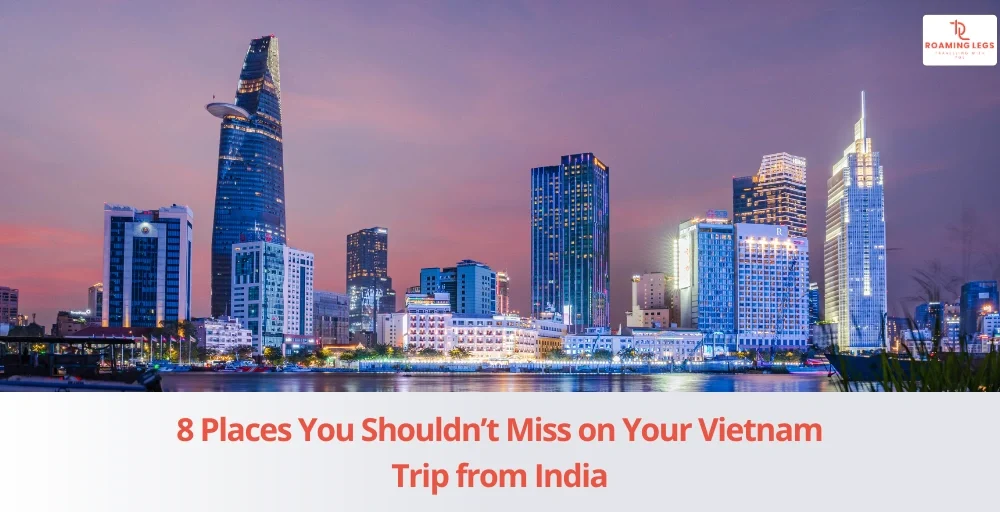
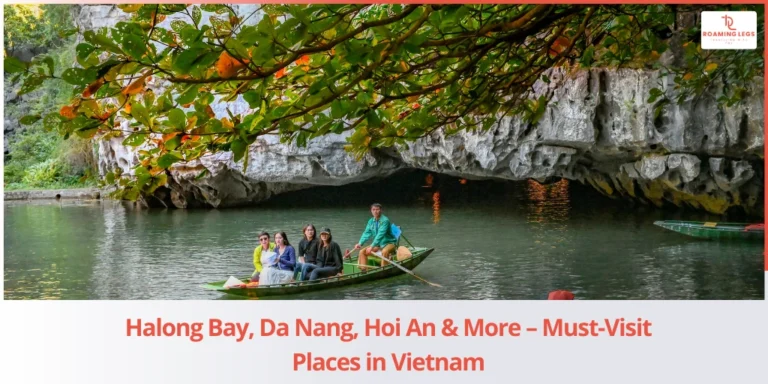
8 Places You Shouldn’t Miss on Your Vietnam Trip from India

8 Places You Shouldn’t Miss on Your Vietnam Trip from India

When Indians plan a Vietnam trip, the biggest mistake is trying to cover the entire country in one go.

Vietnam stretches from North to South and the landscapes change completely as you move down. Mountains in the North. Beaches in the Central region. Modern cities and islands in the South.

If you try to see everything in 6–7 days, you will spend more time at airports than actually enjoying the country.

Instead, it’s smarter to pick the right places based on your travel duration and interests.

Here are 8 places you shouldn’t miss on your Vietnam trip from India — and how to combine them wisely.

What Should Indians Eat in Vietnam? (And What to Watch Out For)

Vietnamese food is light, fresh, and very different from Indian food.

Most of the popular dishes have some form of meat or seafood in them.
But if you’re vegetarian, there’s still plenty to eat — you just need to know where to look.

Dishes Indians generally enjoy:

  • Pho (rice noodle soup) — light and comforting, similar to a clear broth. Ask for the vegetarian version (Pho Chay).
  • Banh Mi — a Vietnamese baguette sandwich. The vegetarian version has fresh vegetables, pickled carrots, coriander, and tofu.
  • Spring Rolls (Goi Cuon) — fresh rice paper rolls with vegetables and herbs. Great for snacking.
  • Fried Rice (Com Chien) — similar to what you’d find in Indian-Chinese restaurants, widely available.
  • Bun Chay — rice vermicelli noodles in vegetarian broth.

The main thing vegetarians need to know:

Fish sauce is used in almost every Vietnamese dish — even salads and soups.
It looks like a liquid seasoning and doesn’t smell strong once cooked, so you often won’t notice it unless you ask.

These phrases will save you a lot of trouble:

🥗

Tôi ăn chay

I am vegetarian

🥩

Không thịt

No meat

🐟

Không cá

No fish

🍜

Không nước mắm

No fish sauce

Look for Com Chay or Quan Chay restaurants — these are Buddhist vegetarian restaurants found in most Vietnamese cities.
The food is good, the prices are low, and you won’t have to worry about hidden ingredients.

Indian restaurants are available in Hanoi and Ho Chi Minh City if you need a break from local food.
But honestly, vegetarian Vietnamese food is worth trying — it’s much lighter than Indian food and easier on the stomach during travel.

Halong Bay – The Iconic Cruise Experience

If there is one image that represents Vietnam, it’s Halong Bay.

Located in North Vietnam, Halong Bay is famous for:

  • Limestone islands rising from blue water

  • Overnight cruise experiences

  • Kayaking through caves

  • Sunset views from cruise deck

Most travelers choose a 1-night, 2-day cruise.

You board the cruise around noon, sail through the bay, explore caves, kayak, enjoy sunset and stay overnight on the boat.

Is Halong Bay worth visiting?

Yes, especially if it’s your first time in Vietnam. It feels different from any other destination in Southeast Asia.

For couples and honeymoon travelers, it adds a romantic touch to the itinerary.

Hanoi – Culture, Cafes & Old Quarter

Hanoi is usually the entry point for North Vietnam.

The city has a strong cultural vibe.

In Hanoi, you can explore:

  • Old Quarter streets

  • Hoan Kiem Lake

  • Street food stalls

  • Train Street

  • Weekend night markets

Hanoi feels traditional and authentic. It’s slower compared to Ho Chi Minh City.

Spend at least 2 days here before heading to Halong Bay or Sapa.

For many Indian travelers, Hanoi becomes the heart of their Vietnam itinerary.

Sapa – Mountains & Rice Terraces

If you love scenic landscapes, Sapa is worth adding.

Located near the Chinese border, Sapa offers:

  • Green rice terraces

  • Mountain trekking

  • Cool climate

  • Village stays

Sapa is ideal for:

  • Adventure lovers

  • Nature photographers

  • Travelers who enjoy peaceful surroundings

But it requires extra travel time from Hanoi (overnight train or bus).

If you have 7–8 days, you can include Sapa in your North Vietnam itinerary. If you only have 5–6 days, you may want to skip it.

Da Nang – Beaches & Modern Comfort

Moving to Central Vietnam, Da Nang is one of the most balanced destinations.

It offers:

  • My Khe Beach

  • Modern city vibe

  • Easy airport access

  • Clean and spacious roads

Da Nang is less chaotic than Hanoi and Ho Chi Minh.

It’s a great base for exploring nearby attractions like Ba Na Hills and Hoi An.

For Indian travelers who want beaches without too much rush, Da Nang works very well.

Hoi An – Lantern Town & Romance

Just one hour from Da Nang is Hoi An.

Hoi An is famous for:

  • Lantern-lit streets

  • Ancient town architecture

  • Riverside cafes

  • Tailor shops

In the evening, the town lights up with colorful lanterns. It looks magical.

Hoi An lantern festival is especially popular among couples.

Many honeymoon travelers consider Hoi An one of the most romantic places in Vietnam.

You don’t need more than 1–2 days here, but those days will feel special.

Ho Chi Minh City – Energy & History

In South Vietnam, Ho Chi Minh City offers a completely different experience.

It is:

  • Fast-paced

  • Modern

  • Full of cafes

  • Rich in war history

Top attractions include:

  • War Remnants Museum

  • Cu Chi Tunnels

  • Ben Thanh Market

  • Rooftop bars

If you enjoy nightlife and city energy, you will like Ho Chi Minh more than Hanoi.

It’s also a good base for visiting Mekong Delta.

Mekong Delta – River Life & Local Culture

Located near Ho Chi Minh City, Mekong Delta is usually done as a day trip.

Here, you’ll see:

  • Floating markets

  • River boat rides

  • Coconut farms

  • Small village life

It’s slower and more rural.

While it’s not as dramatic as Halong Bay, it gives you a glimpse into local Vietnamese life.

If you enjoy cultural experiences beyond cities, include it.

Must visit places in vietnam

How to Get Between Cities in Vietnam (Flights vs Trains vs Buses)

This is something most blogs skip, but it’s one of the first things you need to figure out.

Vietnam is long — traveling from Hanoi to Ho Chi Minh City by road takes over 30 hours.
So your transport choices matter a lot.

Here’s a simple comparison:

Route
By Flight
By Train
By Sleeper Bus
Hanoi → Da Nang
By Flight 1.5 hrs / ₹2,000–₹6,000
By Train 16–17 hrs / ₹1,500–₹4,000
By Sleeper Bus 14 hrs / ₹700–₹1,200
Da Nang → Ho Chi Minh
By Flight 1.5 hrs / ₹2,000–₹6,000
By Train 17–19 hrs / ₹2,000–₹5,000
By Sleeper Bus 16 hrs / ₹800–₹1,500
Hanoi → Ho Chi Minh
By Flight 2 hrs / ₹3,000–₹8,000
By Train 30–35 hrs / ₹3,000–₹6,000
By Sleeper Bus 35+ hrs (Not Recommended)

For most Indian travelers, domestic flights are the best option.

VietJet Air and Bamboo Airways offer cheap fares — sometimes under ₹2,000 one way if you book early.
They save you 12–15 hours compared to trains and are much more comfortable.

Trains are worth considering if you have time and want the experience.
The Reunification Express route (Hanoi to Ho Chi Minh) passes through scenic coastal areas.
It’s a great option for the Hanoi to Da Nang leg if you book a sleeper cabin — arrives in the morning and you don’t lose a hotel night.

Sleeper buses are the most budget-friendly.
They’re fine for 6–8 hour routes, but anything longer gets uncomfortable.
Good option if you’re tight on budget and doing Hanoi to Sapa or Da Nang to Hoi An.

For Hanoi to Sapa specifically:
The overnight train (6–7 hrs) is actually the best option — comfortable, scenic, and you arrive fresh in the morning.

Phu Quoc – Vietnam’s Beach Paradise

If your Vietnam trip from India is incomplete without beaches, Phu Quoc is the place.

This island in South Vietnam offers:

  • Clear blue beaches

  • Island resorts

  • Snorkeling

  • Long cable car ride to Hon Thom island

Phu Quoc feels relaxed and resort-style.

If you are comparing Halong Bay vs Phu Quoc:

Halong Bay = Cruise + scenic limestone landscape
Phu Quoc = Beach + island relaxation

For honeymoon travelers, both are good — it depends on whether you prefer cruise romance or beach relaxation.

How to Combine These 8 Places Smartly

Now the important question — how do you combine these without rushing?

If You Have 6 Days

Choose ONE region:

North: Hanoi + Halong Bay
OR
Central: Da Nang + Hoi An
OR
South: Ho Chi Minh + Phu Quoc

Trying to mix regions in 6 days will make it hectic.

Places to visit in Vietnam

3 Offbeat Places in Vietnam That Most Indian Travelers Miss

The 8 places in this list are all great — but if you’ve already done the main circuit or want something different, these three are worth knowing.

1. Ninh Binh — Halong Bay on Land

Ninh Binh is 2 hours south of Hanoi by bus.

It has limestone karsts, rice fields, and ancient temples — but instead of a cruise, you explore by rowboat and bicycle.
It’s much quieter than Halong Bay, significantly cheaper, and gives you a completely different kind of scenic experience.

If you’re tight on time or budget but still want the dramatic limestone landscape, Ninh Binh is the smarter pick over a 2-day Halong Bay cruise.

2. Da Lat — Vietnam’s Hill Station

Da Lat is in the Central Highlands, 300 km from Ho Chi Minh City.

It feels nothing like the rest of Vietnam.
The temperature is cooler (15–22°C), the town has French colonial architecture, flower farms, pine forests, and waterfalls.

Indian travelers often compare it to Ooty or Coorg — but with a very different vibe.
It’s a great add-on if you’re spending 3–4 days in South Vietnam.

3. Ha Giang — North Vietnam’s Most Dramatic Landscape

Ha Giang is in the far north, about 5 hours from Hanoi.

It has the most dramatic mountain roads in Vietnam — narrow highways cut into cliff faces with valleys hundreds of meters below.
The Dong Van Karst Plateau is a UNESCO Global Geopark.

This is not a place for everyone.
It requires motorbike travel (or a hired driver) and takes 3–4 extra days.
But if you like mountains and adventure, it’s unlike anything else in Southeast Asia.

If You Have 7–8 Days

You can combine:

North + Central
OR
South + Phu Quoc

For example:

Hanoi (2 days)
Halong Bay (2 days)
Da Nang + Hoi An (3 days)

This works well with one internal flight.

If You Have 9–10 Days

You can explore:

North + Central + South

But plan carefully.

Avoid spending too many days on internal travel.

Is Vietnam a Good First International Trip for Indians?

Yes — but with one thing to keep in mind.

Vietnam is not as easy as Thailand for first-timers.

English is less widely spoken, especially outside of tourist areas.
Food options for vegetarians require more effort.
And navigating a long, multi-region country takes more planning than a straightforward trip to Bangkok or Bali.

That said, here’s why it still works well as a first international trip:

  • It’s affordable — you can do a good trip in ₹60,000–₹80,000 per person including flights
  • Major tourist cities like Hanoi and Ho Chi Minh are well set up for visitors
  • Grab (ride-hailing app) works everywhere, which removes the taxi scam problem
  • The e-visa process is simple and fully online
  • Crime against tourists is very low

The best first-timer routes from India:

If you want easy and relaxed: Ho Chi Minh City + Phu Quoc (beach + city, simple to navigate)

If you want culture and scenery: Hanoi + Halong Bay (iconic, well-organized tours, manageable in 5 days)

If you want a mix of everything: Da Nang + Hoi An (beach, culture, food — easy to get around and very photogenic)

Vietnam is not the hardest first trip.
It’s just one step more challenging than Thailand — and that’s what makes it more rewarding

Don’t Try to See All 8 in One Trip

Vietnam is not a checklist destination.

You don’t need to cover all 8 places in one trip.

Instead:

  • Choose based on your interests

  • Consider travel time between cities

  • Balance sightseeing and relaxation

  • Keep buffer time

For first-time visitors from India, North Vietnam (Hanoi + Halong Bay) or Central Vietnam (Da Nang + Hoi An) are excellent starting points.

Vietnam trip from India becomes smooth when you plan region-wise instead of rushing across the country.

Each of these 8 places offers something different.

Mountains in Sapa.
Cruise in Halong Bay.
Lantern evenings in Hoi An.
Beaches in Phu Quoc.
City energy in Ho Chi Minh.

Pick what excites you the most.

That’s how you build the perfect Vietnam itinerary — not by covering everything, but by covering the right things.

Premium Vietnam FAQ

Frequently Asked Questions

Everything Indian travellers commonly ask before planning a Vietnam holiday.

Which is better for a first Vietnam trip — North or South?
+
Depends on what you want. North Vietnam (Hanoi + Halong Bay) gives you history, culture, and dramatic scenery. South Vietnam (Ho Chi Minh + Phu Quoc) offers vibrant city life and relaxing beaches. If you only have 6–7 days, pick one. Most first-time Indian visitors choose the North for the unforgettable Halong Bay experience.
Is Halong Bay worth the extra cost, or is Ninh Binh a better option?
+
Both are excellent. Halong Bay is about cruising, kayaking, caves, and sunsets from the deck. Ninh Binh offers similar limestone scenery at a much lower cost with boat rides and cycling. Choose Ninh Binh for value, Halong Bay for the iconic experience.
Can Indians handle the food in Vietnam, or is it a problem?
+
Strict vegetarians should ask for no fish sauce, look for Com Chay restaurants, and carry a few Indian snacks. Non-vegetarians usually enjoy Vietnamese cuisine. Major tourist cities also have Indian restaurants.
Is it safe to use Grab in Vietnam instead of local taxis?
+
Yes. Grab is the easiest and safest choice. It shows prices upfront, avoids negotiation, and is widely used across Vietnam.
How many places can you realistically cover in 7 days from India?
+
Two regions at most. A popular route is Hanoi, Halong Bay, then Da Nang and Hoi An. Trying to include Ho Chi Minh City as well usually makes the trip feel rushed.
Is Da Lat worth visiting if I'm already going to Da Nang and Hoi An?
+
Only if you have more than 10 days. Da Lat is a separate destination with cooler weather and a relaxed atmosphere.
Do I need to book tours in advance, or can I arrange them on the ground?
+
Book Halong Bay cruises in advance, especially from November to April. Most other tours can be booked locally, often at better prices.
Is Vietnam a good destination for a family with kids?
+
Yes. Phu Quoc, Da Nang, and Hoi An are especially family friendly. Halong Bay works well too, although shorter cruises suit younger children better.
How much cash should I carry for a 7-day Vietnam trip?
+
Carry around ₹15,000–₹20,000 worth of Vietnamese Dong for daily expenses. ATMs are common in cities, so you do not need to exchange everything at once.
Is Ho Chi Minh City or Hanoi better for a solo trip from India?
+
Ho Chi Minh City is easier for first-time solo travellers thanks to better English support and nightlife. Hanoi is richer in culture and ideal if you enjoy slower-paced travel.
Vietnam Tour Cost from India - Budget vs Premium Travel Comparison

Vietnam Tour Cost from India – Budget vs Premium Travel Breakdown

Vietnam is often called one of the most affordable international destinations for Indians.

And that’s true.

But here’s where people get confused.

One person says their Vietnam trip cost ₹60,000.
Another says they spent ₹1.8 lakh.

Both are correct.

The difference? Travel style.

Your Vietnam tour cost from India depends on:

  • Flights

  • Hotel category

  • City choices

  • Tours and activities

  • Transfers (shared vs private)

  • Food preferences

In this guide, we’ll break down the real Vietnam trip cost from India — budget vs premium — so you can decide what suits you.

Understand the full picture before booking.

Vietnam Flight Cost from India

Flights are usually the first expense in your Vietnam travel cost.

Direct Flights from India

Direct flights are available from:

  • Delhi

  • Mumbai

  • Kolkata

These land in Hanoi or Ho Chi Minh City.

Flight duration:
4–5 hours for direct routes.

Hidden Costs in a Vietnam Trip That Most Indians Don’t Account For

Most Vietnam budget estimates look neat on paper — until you’re at the airport wondering where your money went.

Here are the costs that regularly catch Indian travelers off guard:

SIM Card — ₹600–₹1,200

Buy a local Vietnamese SIM at the airport on arrival.

Local data SIMs from Viettel or Vietnamobile give 30 days of unlimited data.

Don’t rely on international roaming — it costs 5–10x more and is slower.

Travel Insurance — ₹1,500–₹3,500

Most Indian travelers skip this completely.

A single visit to a private clinic in Vietnam costs ₹4,000–₹16,000 out of pocket.

If you ride a motorbike (even as a pillion), check your policy carefully — many don’t cover motorbike accidents.

Airport Transfers — ₹500–₹1,500 each way

The trip from Hanoi or Ho Chi Minh airport to the city center costs more than people expect.

Book a Grab in advance or use the official airport express bus (40,000 VND, roughly ₹150) to save money.

Don’t accept offers from drivers outside the arrivals hall — they will overcharge.

Entry Fees Not Included in Tours — ₹2,000–₹5,000 total

Most tour packages include transportation and guide but not entry fees.

Halong Bay cruise packages often exclude kayaking add-ons (₹800–₹1,500 per person).

Ba Na Hills entry + cable car alone costs ₹3,000–₹4,500 per person — check if your package includes this before assuming it does.

Tipping — ₹1,500–₹3,000 total for 7 days

Tipping is not mandatory in Vietnam but is expected in hotels and on cruises.

₹100–₹200 per day for hotel housekeeping is standard.

Tour guides typically receive ₹300–₹500 per person at the end of a full-day tour.

Total hidden cost buffer to add: ₹6,000–₹15,000 per person.

Add this to whatever total you’ve calculated — it’ll save you from being surprised.

Average Return Flight Cost

Average Return Flight Cost from Vietnam to India

Flights are cheaper if booked 2–3 months early.

Peak months (Oct–March) may increase prices slightly.

Compared to Europe or Japan, Vietnam flight cost from India is very reasonable.

Vietnam Hotel Cost Per Night

Hotel pricing in Vietnam is very flexible.

You get excellent value compared to many countries.

Budget Hotels (3-Star)

₹2,000 – ₹4,000 per night

  • Clean rooms

  • Good location

  • Comfortable stay

Perfect for budget Vietnam trip cost planning.

Mid-Range Hotels (4-Star)

₹5,000 – ₹8,000 per night

  • Better interiors

  • Good breakfast

  • Central location

This is the most popular option for Indian travelers.

Premium Hotels (4–5 Star Luxury)

₹10,000 – ₹20,000+ per night

  • Luxury rooms

  • Rooftop pools

  • Resort-style experience

  • Premium service

In cities like Da Nang or Phu Quoc, beach resorts may cost slightly more.

Vietnam hotel cost per night is lower than Thailand in many cases, especially for premium categories.

Vietnam Tour Package vs Planning It Yourself — Which Costs Less?

Self-planned is almost always cheaper, but packages save time and stress.

The real question is what your time is worth.

Here’s an honest comparison for a 7-day Vietnam trip:

Expense
Package Tour (per person)
Self-Planned (per person)
Flights
₹22,000–₹35,000
₹18,000–₹30,000
Hotels (7 nights, 3-star)
Included
₹14,000–₹21,000
Halong Bay Cruise
Included
₹7,000–₹12,000
City Tours & Transfers
Included
₹5,000–₹8,000
Food
Not Included
₹7,000–₹10,000
Visa
₹2,100
₹2,100
Approx. Total
₹70,000–₹1,10,000
₹55,000–₹85,000

Self-planned saves ₹15,000–₹25,000 per person on average.

But here’s what packages actually give you:

  • No time spent researching hotels, cruise operators, or transfer logistics
  • A single point of contact if something goes wrong
  • Pre-arranged itinerary — especially useful for first-timers

When a package makes sense:
You’re going for the first time, have 7 days or fewer, and don’t want to manage multiple bookings.

When DIY makes sense:
You’ve traveled internationally before, have 10+ days, or want to customize your route.

One thing to always check in a package: whether flights are included or it’s land-only.
Many Vietnam packages advertised at ₹30,000–₹40,000 are land-only — add ₹20,000–₹30,000 for return flights and the total changes significantly.

Vietnam Daily Expense – Food & Local Travel

Now let’s talk about daily spending.

Food Cost in Vietnam

Street food:
₹200 – ₹400 per meal

Restaurant meal:
₹500 – ₹1,000 per meal

Cafe coffee:
₹150 – ₹300

Vietnam food cost is very affordable.

Even in premium restaurants, pricing is reasonable compared to Indian metro cities.

India to Vietnam cost guide

Local Transport Cost

Use Grab app for taxis.

Short city ride:
₹200 – ₹500

Full-day car hire:
₹3,000 – ₹5,000

Internal flights (Hanoi to Ho Chi Minh or Da Nang):
₹2,500 – ₹6,000 per person

Vietnam daily expense for food and local transport stays manageable even in premium travel style.

Vietnam Sightseeing & Activity Cost

Activities vary based on region.

Let’s break popular ones.

Halong Bay Cruise

Standard overnight cruise:
₹7,000 – ₹12,000 per person

Luxury cruise:
₹15,000 – ₹25,000 per person

Halong Bay cruise cost significantly impacts total Vietnam tour package price.

Cu Chi Tunnels

Half-day tour:
₹1,500 – ₹3,000 per person

Mekong Delta Tour

₹2,000 – ₹4,000 per person

Ba Na Hills & Golden Bridge

Entry + cable car:
₹3,000 – ₹4,500 per person

Premium tours include private transfers and guides.

Vietnam activity cost depends on whether you choose shared tours or private experiences.

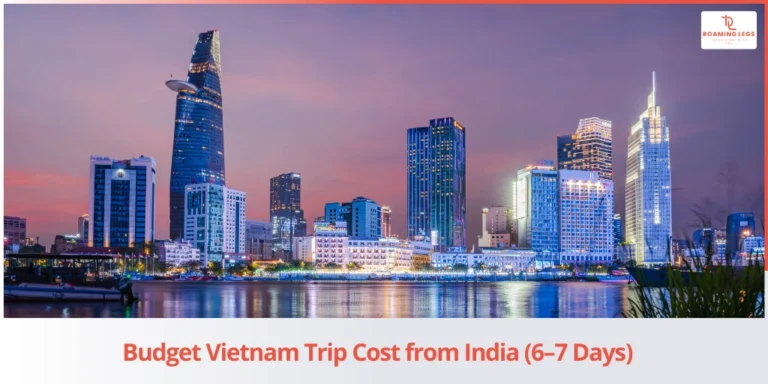
Budget Vietnam Trip Cost from India (6–7 Days)

Let’s calculate realistically.

Per Person (Budget Style)

Flights: ₹25,000
Hotels (₹3,000 x 6 nights): ₹18,000
Food: ₹7,000
Local transport: ₹5,000
Tours & activities: ₹12,000
Visa: ₹2,000

Total per person: ₹69,000 – ₹80,000

Couple Estimate

₹1.4 – ₹1.6 lakh approx

This is realistic budget Vietnam trip cost for 6–7 days.

You stay in 3-star hotels, use shared tours, and manage internal travel smartly.

Premium Vietnam Trip Cost from India (6–7 Days)

Now let’s upgrade the experience.

Per Person (Premium Style)

Flights: ₹30,000
Hotels (₹12,000 x 6 nights): ₹72,000
Food: ₹12,000
Private transfers: ₹10,000
Luxury Halong cruise: ₹20,000
Premium activities: ₹15,000
Visa: ₹2,000

Total per person: ₹1.5 – ₹1.8 lakh

Couple Estimate

₹3 – ₹3.5 lakh approx

This includes:

  • 4–5 star hotels

  • Private transfers

  • Luxury cruise

  • Premium experiences

Vietnam honeymoon package cost usually falls in this range if luxury elements are included.

Can You Do Vietnam from India Under ₹50,000? (Real Breakdown)

Yes — but it needs specific choices, not just general “budget travel” advice.

Here’s a realistic breakdown that actually gets you there:

Expense
Cost
Return Flights (Kolkata or Chennai, Off-Peak)
₹18,000–₹22,000
E-visa (Single Entry)
₹2,100
Hotels (5 Nights, Budget Guesthouse or Hostel)
₹6,000–₹8,000
Food (5 Days, Street Food + Local Restaurants)
₹4,000–₹5,000
Local Transport (Grab)
₹2,000–₹3,000
Sightseeing (1 City Tour, Mekong Delta Day Trip)
₹4,000–₹5,000
SIM Card + Miscellaneous
₹1,500
Total
₹37,600–₹46,600

Budget vs Premium – What Changes?

Let’s compare clearly.

Budget vs Premium – What Changes

The difference is comfort, privacy and service level.

Both options allow you to enjoy Vietnam.

Premium just adds convenience and luxury.

Is Vietnam Cheaper Than Thailand?

Many Indians compare Vietnam vs Thailand.

Hotel pricing in Vietnam is often slightly lower.

Food pricing is similar.

Tours are comparable.

Flights can be slightly cheaper depending on season.

Overall, Vietnam is not expensive for Indian tourists.

It offers strong value for money.

Cost guide for India to Vietnam Tour

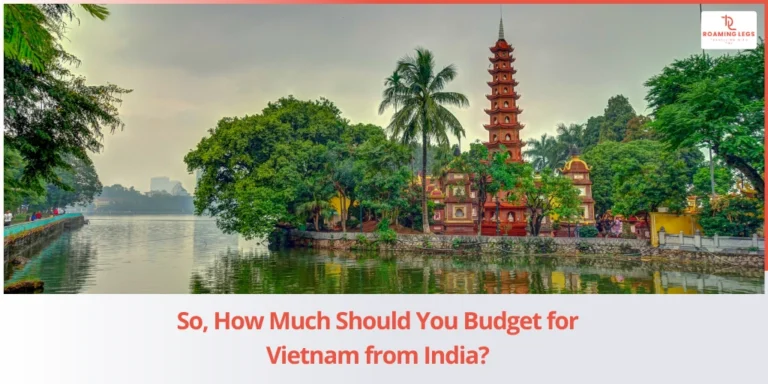
So, How Much Should You Budget for Vietnam from India?

Let’s simplify everything.

Budget Trip (6–7 Days)

₹60,000 – ₹80,000 per person

Mid-Range Trip

₹90,000 – ₹1.2 lakh per person

This gets you a 5–6 day trip covering one region — either Ho Chi Minh City + Mekong Delta, or Hanoi + Halong Bay day trip (not cruise).

The three things that make or break the under-₹50,000 budget:

Flying from Kolkata or Chennai is cheaper than Delhi or Mumbai — sometimes by ₹4,000–₹6,000 return.

Traveling in May, June, or September cuts hotel rates by 20–30% compared to December–February.

Skip the overnight Halong Bay cruise (₹7,000–₹12,000) and do a day tour instead (₹2,500–₹4,000).

What you give up at this budget:
4-star hotels, private transfers, and multi-region travel.
This is a lean trip — but Vietnam at ₹45,000 is still a much better experience than many domestic destinations at the same price

Premium Trip

₹1.5 lakh+ per person

Vietnam tour cost from India is flexible.

You can plan an affordable international trip.
Or you can design a premium honeymoon.

The country supports both.

Before finalizing:

  • Decide your comfort level

  • Choose regions wisely

  • Allocate budget for must-do activities

  • Avoid overpacking itinerary

Vietnam travel cost depends more on your choices than the destination itself.

Plan smart, and Vietnam becomes one of the best value international trips from India.

Vietnam Cost by City — Why Prices Vary So Much

Not every city in Vietnam costs the same.

If your budget is tight, which city you pick can change your total trip cost by ₹10,000–₹20,000.

Here’s what each region actually costs per day (mid-range, per person):

City
Hotels/Night
Daily Food
Local Transport
Daily Total
Hanoi
₹2,500–₹5,000
₹700–₹1,200
₹300–₹600
₹3,500–₹6,800
Da Nang
₹3,000–₹6,000
₹800–₹1,500
₹400–₹700
₹4,200–₹8,200
Hoi An
₹2,500–₹5,500
₹900–₹1,600
₹300–₹500
₹3,700–₹7,600
Ho Chi Minh City
₹3,000–₹6,000
₹800–₹1,500
₹400–₹700
₹4,200–₹8,200
Phu Quoc
₹5,000–₹12,000
₹1,200–₹2,000
₹500–₹900
₹6,700–₹14,900

Phu Quoc is the most expensive by far.

Beach resort pricing on the island runs 30–50% higher than mainland cities.

A room that costs ₹3,500/night in Hanoi can cost ₹7,000–₹9,000 for similar quality in Phu Quoc.

Hanoi is the best value city in Vietnam.

Great food, strong culture, low prices — and Halong Bay is just a day trip away.

Practical implication:
If you’re planning a 7-day trip and including Phu Quoc, budget ₹10,000–₹15,000 more than if you were doing an all-mainland route.

Vietnam Budget FAQs

Vietnam Budget FAQs

Common questions about planning and budgeting a Vietnam trip from India.

What's the minimum budget for a Vietnam trip from India that's actually enjoyable?
+
₹50,000–₹55,000 per person for 5–6 days is a realistic budget for a comfortable trip. Going below ₹45,000 usually means staying in dorms, skipping major experiences like a Halong Bay cruise, and limiting flight choices.
Is it cheaper to book a Vietnam package or plan it yourself?
+
Self-planned trips are usually ₹15,000–₹25,000 cheaper per person. Packages are convenient for first-time visitors, but always check whether flights are included.
Which Indian city has the cheapest flights to Vietnam?
+
Kolkata and Chennai usually offer the lowest fares, often around ₹16,000–₹22,000 during off-peak months. Delhi and Mumbai are generally more expensive.
Does a Halong Bay cruise make the trip expensive?
+
A standard overnight cruise costs around ₹7,000–₹12,000. Luxury cruises cost much more, while day cruises offer a budget-friendly alternative.
Is Vietnam cheaper than Thailand?
+
Generally yes. Hotels and food are slightly cheaper, while flight prices are often similar. The savings are mostly in your daily expenses.
What's a realistic honeymoon budget?
+
A mid-range 7-night honeymoon usually costs ₹1.5–₹2 lakh for two people. Luxury resorts and premium cruises increase the budget significantly.
How much should I budget for shopping?
+
₹3,000–₹8,000 is enough for most travellers. Hoi An tailoring, coffee, silk, and handicrafts are popular purchases.
Is travel insurance necessary?
+
Yes. A basic policy costs around ₹1,500–₹3,500 and can save you from expensive medical bills if something unexpected happens.
Does the season affect trip costs?
+
Yes. Peak season (December to February) is more expensive, while May to September offers lower prices but wetter weather in some regions.
Can a family of four visit Vietnam under ₹3 lakh?
+
Yes. A carefully planned 6–7 day trip with 3-star hotels and shared tours can usually fit within ₹2.4–₹2.8 lakh.
North vs South Vietnam - How to Plan Your Perfect Itinerary from India

North vs South Vietnam – Hanoi or Ho Chi Minh? How to Plan Your Perfect Itinerary from India

Vietnam is not a small country.

Many Indian travelers assume they can cover everything in 6–7 days. They land in Hanoi, fly to Da Nang, rush to Ho Chi Minh, and return exhausted.

The result? Too much travel. Very little experience.

The truth is simple: North and South Vietnam feel completely different.

Different landscapes.
Different vibe.
Different weather.
Different experiences.

So before booking flights for your Vietnam itinerary from India, you need to decide one thing:

North or South?

Let’s break it down clearly so you can plan your perfect Vietnam trip without confusion.

What About Central Vietnam? (Da Nang and Hoi An)

The North vs South debate misses one thing: Central Vietnam is often the best choice for Indian travelers.

Da Nang and Hoi An sit between Hanoi and Ho Chi Minh City — and for a 6–7 day trip from India, this region gives you the best combination of beaches, culture, and affordability without the long internal travel of a North-to-South run.

Why Central Vietnam works so well:

  • Da Nang has the best beaches in Vietnam — My Khe Beach is clean, wide, and uncrowded compared to Phu Quoc’s resort-heavy shoreline
  • Hoi An is a UNESCO World Heritage town — the lantern-lit streets and 400-year-old buildings are genuinely unlike anything else in Southeast Asia
  • Ba Na Hills (home of the famous Golden Bridge held by giant stone hands) is 30 minutes from Da Nang
  • Hue, the old imperial capital, is 2 hours away if you want to add history
  • Direct flights from Delhi and Mumbai land in Da Nang — no connection needed

Central Vietnam weather window:
February to August is the dry season — perfect for beaches.
Avoid September to November, which is the typhoon and heavy rain period.

Region
Best For
Best Months
Approx. Cost/Day
North (Hanoi + Halong Bay)
Culture, Scenery, Cruises
Oct–Apr
₹4,000–₹7,000
Central (Da Nang + Hoi An)
Beaches + Culture Combo
Feb–Aug
₹4,500–₹8,000
South (HCMC + Phu Quoc)
City Energy + Island Beaches
Dec–Apr
₹5,000–₹12,000

If you’ve been trying to choose between North and South and can’t decide — Da Nang + Hoi An might be the answer you were looking for.

North vs South Vietnam – What’s the Difference?

Here’s a quick overview to understand the basics.

North vs South Vietnam – What’s the Difference

If you are wondering which is the best region to visit in Vietnam, the answer depends on what you enjoy more — mountains and cruises or beaches and nightlife.

Now let’s explore each side in detail.

Why Choose North Vietnam?

North Vietnam is known for natural beauty and cultural charm.

If you like scenic landscapes and quieter experiences, this region may suit you better.

Hanoi – Culture & Old Quarter

Hanoi is the capital of Vietnam.

What you’ll experience:

  • Narrow streets of Old Quarter

  • Local street food

  • Hoan Kiem Lake

  • French colonial buildings

  • Cafes and local markets

Hanoi feels traditional and cultural. It’s slower compared to Ho Chi Minh.

For many travelers planning a North Vietnam itinerary, Hanoi is the perfect starting point.

Halong Bay – Cruise Experience

If you’ve seen photos of limestone islands rising from blue water, that’s Halong Bay.

Most travelers do:

  • 1-night or 2-night cruise

  • Kayaking between limestone rocks

  • Sunset on cruise deck

  • Cave exploration

Is Halong Bay worth visiting?

Absolutely yes — if you enjoy nature and peaceful views.

It’s one of the most iconic experiences in Vietnam.

For honeymoon couples, Halong Bay cruise feels romantic and unique.

Sapa – Mountain Views & Rice Terraces

Located near the Chinese border, Sapa offers:

  • Mountain trekking

  • Green rice terraces

  • Cool weather

  • Village stays

Best for:

  • Adventure lovers

  • Nature photography

  • Cooler climate lovers

However, Sapa requires more travel time, so include it only if you have at least 7–8 days.

North Vietnam itinerary works best for travelers who love scenic beauty and cultural depth.

What’s the Real Difference for Indian Travelers

The Smartest Way to Cover North and South in One Trip: Open-Jaw Flights

If you want to see both North and South Vietnam, don’t book a return flight to the same city.

Book an open-jaw ticket — fly into Hanoi, fly out of Ho Chi Minh City (or the other way around).

This way you travel Vietnam top-to-bottom without backtracking.

Why this works:

Flying Hanoi → (travel south through Vietnam) → fly home from Ho Chi Minh City means you’re always moving forward.

No wasted day flying back to where you started.

Cost of open-jaw vs return flight:
Open-jaw tickets from India to Vietnam (Hanoi in, Ho Chi Minh out) cost roughly ₹500–₹2,000 more than a direct return to one city.

That’s a fair trade for 1–2 days saved on internal travel.

A practical North-to-South open-jaw plan (9–10 days):

  1. Fly into Hanoi
  2. 2 days Hanoi city
  3. 2-night Halong Bay cruise
  4. Fly Hanoi → Da Nang (1 hr, ₹2,000–₹4,000)
  5. 2 days Da Nang + Hoi An
  6. Fly Da Nang → Ho Chi Minh (1 hr, ₹2,000–₹4,000)
  7. 1 day Ho Chi Minh City
  8. Fly home from Ho Chi Minh

Total internal flights: ₹4,000–₹8,000 per person.
Total travel time saved vs backtracking: 6–8 hours.

Airlines for open-jaw from India:
IndiGo, Air India, and Vietnam Airlines operate direct routes from Delhi and Mumbai to both Hanoi and Ho Chi Minh City.

VietJet and Bamboo Airways handle the cheap internal legs within Vietnam.

Vietnam in 5 Days from India — What Can You Actually Cover?

5 days is enough for Vietnam — but only if you pick one region and stick to it.

Many Indian travelers plan a 5-day trip using 2–3 days of leave plus a weekend.

Here are three focused 5-day plans that actually work:

Plan A: Hanoi + Halong Bay (North)

🗺️ Plan A: Hanoi + Halong Bay (North)
Day
Plan
1 Day 1
Arrive in Hanoi, hotel check-in, and enjoy an evening walk through the Old Quarter.
2 Day 2
Explore Hanoi City, Hoan Kiem Lake, sample famous street food, and visit Train Street.
3 Day 3
Travel to Halong Bay, board your cruise, explore limestone caves, kayak, and enjoy sunset on deck.
4 Day 4
Return from the cruise and either fly home or spend more time exploring Hanoi markets.
5 Day 5
Departure.

Why Choose South Vietnam?

South Vietnam feels more modern and energetic.

If you prefer city life mixed with beach relaxation, South is a strong option.

Ho Chi Minh City – Urban Energy

Ho Chi Minh City (formerly Saigon) is:

  • Busy

  • Vibrant

  • Full of cafes

  • Rich in history

Top experiences include:

  • Cu Chi Tunnels

  • War Remnants Museum

  • Rooftop bars

  • Shopping streets

Compared to Hanoi, Ho Chi Minh feels more modern and fast-paced.

If you enjoy nightlife and café culture, you may prefer this city.

Mekong Delta – River Life

From Ho Chi Minh, you can visit Mekong Delta.

Here you’ll see:

  • Floating markets

  • River villages

  • Boat rides

  • Coconut farms

It’s a relaxed day trip experience.

Phu Quoc – Beach Escape

Now let’s talk about beaches.

Phu Quoc is South Vietnam’s beach island.

It offers:

  • Clear water beaches

  • Island resorts

  • Snorkeling

  • Relaxed vibe

If you are comparing Halong Bay vs Phu Quoc, the difference is simple:

Halong Bay = Cruise + limestone scenery
Phu Quoc = Beach + island relaxation

Phu Quoc is ideal if you want a beach break in your Vietnam trip from India.

Halong Bay vs Phu Quoc – Which Should You Choose?

Let’s compare clearly.

If you love dramatic landscapes and photography, choose Halong Bay.

If you want beach time and island vibes, choose Phu Quoc.

Both are beautiful — just different.

Best for: First-timers who want the iconic Vietnam experience.

Plan B: Da Nang + Hoi An (Central)

🏖️ Plan B: Da Nang + Hoi An (Central)
Day
Plan
1 Day 1
Arrive in Da Nang, check into your hotel, relax at My Khe Beach, and enjoy a seafood dinner by the coast.
2 Day 2
Visit Ba Na Hills, walk across the famous Golden Bridge, enjoy cable car rides, gardens, and mountain views.
3 Day 3
Explore Hoi An Ancient Town, visit Japanese Bridge, shop at local boutiques, and experience the magical lantern-lit evening.
4 Day 4
Take a full-day trip to Hue to explore the Imperial City or enjoy a relaxing beach day in Da Nang if you prefer a slower pace.
5 Day 5
Departure.

Vietnam 6–7 Day Itinerary Options

Now let’s structure this practically.

Option 1: North Vietnam Focus (6 Days)

Day 1: Arrival in Hanoi
Day 2: Hanoi city exploration
Day 3–4: Halong Bay cruise
Day 5: Ninh Binh or Sapa
Day 6: Departure

This works well if you want nature and culture.

Option 2: South Vietnam Focus (6 Days)

Day 1: Arrival in Ho Chi Minh
Day 2: Cu Chi Tunnels + City
Day 3: Mekong Delta
Day 4–5: Phu Quoc island
Day 6: Return

This plan is relaxed and beach-friendly.

Option 3: 8–10 Day Combined Plan

If you have more time:

  • 3–4 days North

  • Internal flight

  • 3–4 days South

Can you cover North and South Vietnam in one week?

Technically yes — but it becomes rushed.

For comfort, 8–10 days is better.

Weather Comparison – North vs South

Weather plays a big role.

North Vietnam

  • December–February: Cooler (10–20°C)

  • March–April: Pleasant

  • Summer: Hot and humid

South Vietnam

  • Warm year-round

  • Tropical climate

  • More consistent temperatures

If you’re traveling in winter from India and prefer mild weather, North is comfortable.

If you want beach weather anytime, South is safer.

Which Region Is Right for You?

Let’s simplify this.

Best for: Beach lovers and couples — most photogenic of the three plans.

Plan C: Ho Chi Minh + Phu Quoc (South)

🌴 Plan C: Ho Chi Minh City + Phu Quoc (South)
Day
Plan
1 Day 1
Arrive in Ho Chi Minh City, check into your hotel, visit the famous Cu Chi Tunnels, and enjoy the city's vibrant nightlife.
2 Day 2
Take a one-hour flight to Phu Quoc, relax at the beach, explore the night market, and enjoy fresh seafood.
3 Day 3
Spend the day island hopping, snorkeling in crystal-clear waters, and ride the world's longest over-sea cable car.
4 Day 4
Relax on the beach, shop at local markets, then fly back to Ho Chi Minh City for your final evening.
5 Day 5
Departure.

Honeymoon Couples

Whats the Real Difference for Indian Travelers India to Vietnam tour
  • Halong Bay cruise for romantic views

  • Phu Quoc for beach honeymoon

Both work depending on vibe preference.

Adventure Lovers

Choose North Vietnam for:

  • Trekking

  • Mountain views

Scenic landscapes

Beach Lovers

Choose South Vietnam, especially Phu Quoc.

First-Time Travelers from India

If you have only 6–7 days, choose one region only.

Don’t try covering entire country in one trip.

Vietnam is long and internal travel takes time.

Is North Vietnam Cheaper Than South Vietnam?

Yes — North Vietnam is noticeably cheaper, especially when Phu Quoc is part of the South Vietnam plan.

Here’s what the actual difference looks like per person per day:

Expense
Hanoi (North)
Da Nang (Central)
Phu Quoc (South)
Budget Hotel
₹2,000–₹3,500
₹2,500–₹4,500
₹5,000–₹9,000
Mid-Range Hotel
₹3,500–₹5,500
₹4,000–₹7,000
₹7,000–₹14,000
Meals Per Day
₹600–₹1,200
₹800–₹1,500
₹1,200–₹2,500
Local Transport
₹300–₹600
₹400–₹700
₹500–₹900

Best for: Beach-first travelers who also want a day of city history.

What to avoid in 5 days:
Trying to connect North and South in 5 days.
You’ll spend 2 of those days in airports or on trains, and the trip will feel like a transit exercise, not a holiday.

Final Advice – Don’t Rush Vietnam

North vs South Vietnam is not about which is better.

It’s about what suits your travel style.

If you want:

Scenery + Cruise + Culture → Choose North
City + Beaches + Relaxation → Choose South

Trying to cover everything in 6 days will reduce the experience quality.

Plan smartly. Focus on one region if time is limited.

Vietnam itinerary from India becomes smooth when you:

  • Choose correct entry city

  • Decide on one region

  • Allocate enough days

  • Avoid overpacking schedule

Vietnam is beautiful in both North and South.

The perfect itinerary is not about covering maximum places.

It’s about covering the right places at the right pace.

Phu Quoc is a beach island resort destination — accommodation costs 40–60% more than Hanoi for equivalent quality.

Practical impact on total trip cost:

A 6-night trip focused on Hanoi + Halong Bay: ₹65,000–₹85,000 per person (including flights).

A 6-night trip focused on Ho Chi Minh + Phu Quoc: ₹80,000–₹1,10,000 per person (including flights).

The South costs about ₹15,000–₹25,000 more per person for the same number of nights — mostly because of Phu Quoc.

If budget is a priority: Start with North Vietnam.
Hanoi and Halong Bay give you a world-class Vietnam experience at a significantly lower daily cost.

If experience is the priority: A combined Central + North or South + Central plan gives you the best of beaches, culture, and value without the island premium.

Premium Vietnam Itinerary FAQs

Frequently Asked Questions

Helpful answers for choosing the best Vietnam itinerary from India.

Should I visit North or South Vietnam if it's my first trip from India?
+
For a first trip with 6–7 days, North Vietnam (Hanoi + Halong Bay) is slightly easier to plan and gives you the most iconic Vietnam experience. If beaches are your priority, choose South Vietnam with Phu Quoc. Focus on one region instead of trying to cover everything.
Can you do both North and South Vietnam in 7 days?
+
Technically yes, but you'll spend too much time in airports and transfers. A single region makes for a far more enjoyable trip.
Is Central Vietnam better for Indian couples?
+
Yes. Da Nang and Hoi An combine beaches, romantic evenings, and excellent value, making them a favourite for couples.
What's the best Vietnam itinerary for 8 days from India?
+
Hanoi (2 days) → Halong Bay (2 nights) → Da Nang & Hoi An (3 days) is one of the best-balanced first itineraries.
Is Hanoi or Ho Chi Minh City better as a first stop?
+
Hanoi is ideal if you're travelling north to south. Ho Chi Minh City works better when exploring southern Vietnam and Phu Quoc.
Does it matter which city you fly into from India?
+
Yes. Choose the arrival city based on your itinerary. Direct flights into Da Nang are convenient for Central Vietnam.
Is Sapa worth adding?
+
Sapa is beautiful but needs at least 8+ days. For shorter trips, stick with Hanoi and Halong Bay.
What's the biggest planning mistake?
+
Trying to visit too many places. Vietnam is best enjoyed at a slower pace.
Is North Vietnam cold in December–January?
+
Hanoi can be 15–18°C, while Sapa is much colder. Carry a jacket if travelling in winter.
Is Vietnam worth visiting after Thailand?
+
Absolutely. Vietnam offers richer history, dramatic landscapes, and a very different travel experience.
Complete India to Vietnam Tour Guide - Visa, Flights & Travel Tips

Complete India to Vietnam Tour Guide –E-Visa, Flights & Currency Explained

Vietnam is becoming one of the most popular international destinations for Indian travelers.

It’s affordable.
It has beaches, mountains, nightlife and culture.
Food is interesting.
Flights are short.

But before you book your India to Vietnam tour, there are a few important things you must understand:

  • Vietnam e-visa process

  • Flight routes from India

  • Entry cities (Hanoi vs Ho Chi Minh)

  • Currency and local payments

  • Basic travel tips

If you get these right, your Vietnam trip from India will be smooth and stress-free.

Let’s break everything clearly.

Vietnam E-Visa Validity: It’s 90 Days, Not 30

Important correction: Vietnam’s e-visa for Indian citizens is valid for up to 90 days — not 30 days.

Vietnam updated its e-visa policy in August 2023, extending the maximum stay from 30 to 90 days for most nationalities including India.

As of 2026, here’s the full picture:

E-Visa Type
Validity
Fee
Single Entry
Up to 90 Days
USD 25 (≈₹2,100)
Multiple Entry
Up to 90 Days
USD 50 (≈₹4,200)

Vietnam E-Visa Process for Indian Travelers

The first question everyone asks:

Do Indians Need Visa for Vietnam?

Yes. Indian passport holders must apply for a visa before traveling to Vietnam.

But the good news is — Vietnam offers an e-visa.

That means you don’t need to visit the embassy. Everything is done online.

Single entry means you enter Vietnam once and stay for up to 90 days.

If you exit Vietnam midway — to visit Cambodia or Thailand — and want to re-enter, you need the multiple entry option.

Which should Indians choose?

For a straightforward trip from India to Vietnam and back: single entry is enough.

If your plan includes Vietnam + Cambodia or Vietnam + Thailand in one trip: go for multiple entry.

Apply at least 7–10 working days before your travel date to be safe.

The official government portal is evisa.gov.vn — no other website is needed.

Third-party visa services often charge ₹1,500–₹3,000 extra as a service fee for the exact same process you can do yourself in 15 minutes.

How to Apply for Vietnam E-Visa from India

The Vietnam e-visa for Indians is simple if done carefully.

Here’s the step-by-step process:

  1. Visit the official Vietnam e-visa website

  2. Fill in personal details

  3. Upload passport scan (clear and valid for 6 months)

  4. Upload passport-size photo

  5. Select entry and exit airport

  6. Pay visa fee online

  7. Wait for approval

Processing time is usually 3–5 working days.

You will receive the approved visa by email. Print it and carry it with you.

Vietnam E-Visa Process for Indian Travelers

Important Things to Be Careful About

Many travelers make small mistakes that cause delays.

Avoid these errors:

  • Typing wrong passport number

  • Selecting wrong arrival airport

  • Applying at the last minute

  • Uploading unclear passport photo

Vietnam visa process from India is easy, but you must double-check all details before submitting.

Visa Validity

Standard Vietnam e-visa:

  • Valid for 30 days

  • Single entry

If you are planning to visit Cambodia or Thailand in between and re-enter Vietnam, you must apply carefully based on your route.

Always check Vietnam entry requirements before booking flights.

Flights from India to Vietnam – Routes & Options

Now let’s talk about flights.

One reason Vietnam tour from India is growing fast is because of better connectivity.

Direct Flights from India to Vietnam

Currently, direct flights operate from:

  • Delhi

  • Mumbai

  • Kolkata

These flights usually land in:

  • Hanoi (North Vietnam)

  • Ho Chi Minh City (South Vietnam)

Flight duration:

  • 4 to 5 hours for direct flights

This is shorter than many long domestic Indian flights.

Connecting Flights

If you’re flying from Bangalore, Chennai, Hyderabad or other cities, you may need:

  • One layover (Bangkok, Kuala Lumpur, Singapore etc.)

  • Total travel time 7–10 hours

Vietnam Flight Cost from India

Average return fares:

Vietnam Flight Cost from India

Scams in Vietnam That Target Indian Tourists (and How to Avoid Them)

Vietnam is genuinely safe — but a handful of scams specifically target tourists, and Indian travelers are among the most commonly targeted.

Here’s what to watch for:

1. Fake Taxi / Unlicensed Cab

This is the most common one, especially outside Hanoi and Ho Chi Minh City airports.

A driver approaches you before you reach the official taxi stand.
They quote a low fare, then either run a tampered meter or demand 5–10x the real price at the end.

Fix: Use Grab for every ride. Price shows upfront. No negotiation. No surprises.

2. Third-Party Visa Websites

Many websites rank high for “Vietnam visa for Indians” but are not the official government portal.

They charge USD 50–100 for a single-entry visa you can get directly for USD 25 at evisa.gov.vn.

Fix: Only use evisa.gov.vn. If the URL is anything else, you’re on a third-party site.

3. Currency Confusion

Vietnamese Dong has large denominations — 10,000 VND, 100,000 VND, 500,000 VND.

Street vendors and small shops sometimes give change in smaller notes than they should, counting on you not noticing the difference.

₹1 = roughly 285–290 VND.

So 100,000 VND ≈ ₹345, and 500,000 VND ≈ ₹1,725.

Fix: Before paying, always count the notes yourself. Have the denomination chart on your phone for the first day or two.

4. Photo With Fruit Basket / Street Prop

A vendor invites you to take a photo wearing a traditional hat or next to their bicycle with a flower basket.

The photo is free — until it’s not.

They then demand ₹500–₹2,000 after the photo is taken.

Fix: If you didn’t agree on a price before, don’t engage. A polite “no thank you” and walking away works in every language.

5. Overcharging at Markets

Vendors at tourist markets in Hanoi’s Old Quarter and Hoi An quote prices that are 3–5x what locals pay.

Fix: Negotiate. Starting at 40–50% of the first quoted price is normal and expected.
If a vendor won’t come down, walk away — another stall will have the same item.

6. Fake Tour Packages

Some street-level tour desks near major tourist areas sell Halong Bay cruises or city tours at very low prices.

In reality they’re poorly run, cancelled without warning, or involve significant add-on charges on the day.

Fix: Book Halong Bay cruises through your hotel or a reputed operator.
Don’t book anything from someone who approaches you on the street.

Prices increase during:

  • October to March (peak tourism season)

  • Long weekends

  • New Year period

If you book 2–3 months early, you can find good deals.

Flights from India to Vietnam are affordable compared to Europe or Japan.

Which City Should You Enter – Hanoi or Ho Chi Minh?

This is an important decision.

Vietnam is long and narrow. North and South offer very different experiences.

Hanoi – North Vietnam

If you land in Hanoi, you can explore:

  • Ha Long Bay

  • Ninh Binh

  • Sapa

  • Old Quarter in Hanoi

North Vietnam feels more scenic and cultural.

Ha Long Bay cruise is one of the highlights of any Vietnam itinerary from India.

If you have 5–6 days and want nature + mountains + cruise, start in Hanoi.

Ho Chi Minh City – South Vietnam

If you land in Ho Chi Minh City (formerly Saigon), you can explore:

  • Cu Chi Tunnels

  • Mekong Delta

  • Phu Quoc island

  • Vibrant nightlife

South Vietnam feels more modern and lively.

If you prefer city vibe + beaches, start here.

Health and Vaccinations for Vietnam from India — What You Actually Need

No vaccination is mandatory to enter Vietnam from India.

You will not be turned away at immigration for not having any specific shots.

That said, travel doctors and the CDC recommend the following for Indian travelers visiting Vietnam:

Vaccine
Why It Matters
Hepatitis A
Spread through contaminated food and water, making it especially important if you plan to enjoy Vietnam's famous street food.
Typhoid
Common across South and Southeast Asia, particularly if you regularly eat at local restaurants or street stalls.
Hepatitis B
Recommended if you may require medical treatment, dental care, or have extended stays during your trip.
Tetanus / Diphtheria
Keep your vaccination up to date if your last booster was more than 10 years ago.
Japanese Encephalitis
Usually recommended only if you plan to visit rural areas, rice fields, or trek in places like Sapa or Ha Giang.

How to Decide?

For 5–6 days:
Choose either North or South.

For 8–10 days:
Start in Hanoi and fly internally to Ho Chi Minh.

Internal flights in Vietnam are affordable and convenient.

Choosing the right Vietnam travel route from India helps you avoid unnecessary travel time.

Vietnam Currency for Indian Travelers

Now let’s talk money.

Vietnam’s currency is Vietnamese Dong (VND).

Can Indians Use INR in Vietnam?

No. Indian Rupees are not accepted.

You have three main options:

  • Exchange INR to USD in India and convert to VND in Vietnam

  • Carry international debit/credit card

  • Withdraw VND from ATM in Vietnam

In major cities like Hanoi and Ho Chi Minh:

  • Cards are widely accepted

  • Hotels accept cards

  • Cafes and restaurants often accept cards

But small shops and local markets prefer cash.

The honest take for most Indian travelers:

If you’re doing a standard city-and-beach trip (Hanoi, Da Nang, Ho Chi Minh, Phu Quoc), Hepatitis A and Typhoid are the most relevant ones to check.

Many Indians are already vaccinated for these through childhood immunisations — check your records before spending on new shots.

Malaria risk: Low in major cities and tourist areas.
Risk increases in remote northern areas (Ha Giang, Dien Bien) and some parts of the Mekong Delta.
For a standard Vietnam itinerary, anti-malarial tablets are not generally required.

Practical tip:
If you want vaccines, book at a travel health clinic or a large hospital in your city at least 4–6 weeks before departure.
Some vaccines like Japanese Encephalitis require multiple doses spaced over weeks.

How Much Cash Should You Carry?

For daily expenses, keep around:

₹2,000–₹3,000 worth VND per day (per person) for food and local transport if not prepaid.

Vietnam is affordable.

Example daily expenses:

  • Meal at local restaurant: ₹300–₹700

  • Coffee: ₹150–₹300

  • Local taxi ride: ₹200–₹500

Vietnam currency for Indian travelers is manageable and not confusing.

Just avoid exchanging money at airport counters due to higher rates.

How Much Does an India to Vietnam Tour Cost?

Let’s break it realistically.

Budget Vietnam Trip (6 Days)

Flights: ₹25,000
Hotels (₹3,000 per night x 5): ₹15,000
Food: ₹6,000
Internal travel & tours: ₹10,000
Visa: ₹2,000 approx

Total per person: ₹55,000 – ₹70,000

Mid-Range Vietnam Trip (7–8 Days)

Flights: ₹28,000
Hotels (₹6,000 per night x 6): ₹36,000
Food: ₹10,000
Tours & activities: ₹15,000
Visa: ₹2,000

Total per person: ₹90,000 – ₹1.1 lakh

Vietnam trip cost from India is much lower than Europe or Japan.

That’s why it’s becoming popular among young Indian travelers.

eSIM vs Local SIM for Vietnam: Which Should Indians Buy?

For most Indian travelers in 2026, eSIM is the smarter option — but only if your phone supports it.

Here’s the real comparison:

Feature
eSIM
Local SIM (Airport)
Setup
Buy before leaving India and activate immediately after landing.
Queue at the airport counter (around 20–40 minutes).
Cost
₹500–₹1,500
7–10 Days
₹600–₹1,000
30 Days
Coverage
Depends on your provider (Airalo, Holafly, etc.).
Viettel offers around 98% 4G coverage across Vietnam.
Calls
Data only. No local calling.
Local calls + mobile data included.
Phone Compatibility
Requires an eSIM-compatible smartphone.
Works with any unlocked phone.

eSIM works best if:

Your phone is eSIM-compatible (most iPhones from XS onwards, Samsung Galaxy S21+, Google Pixel 3+).

Note: Many OnePlus phones sold in India do NOT support eSIM due to hardware restrictions — check before assuming.

You want to land in Hanoi or Ho Chi Minh at midnight and have internet immediately without queuing.

Local SIM works best if:

You need a local Vietnamese phone number (some apps require it for OTP verification).

You’re doing a longer trip and want better rates for 30 days of data.

You’re trekking to remote areas like Sapa or Ha Giang — Viettel’s local SIM covers rural Vietnam better than most travel eSIMs.

Recommended approach:
Buy a Viettel SIM at the official counter inside the arrivals hall (not from touts outside).
30 days unlimited data costs around ₹700–₹900.
Takes 20–30 minutes to activate but is the most reliable option for a full Vietnam trip.

Is Vietnam Easy from India Yes – If You Plan Smart

Important Travel Tips for Indians Visiting Vietnam

Here are practical travel tips you should know.

1. Buy SIM Card at Airport

Vietnam airport SIM cards are cheap and easy to activate.

Internet helps for:

  • Maps

  • Booking taxis

Translating menus

2. Use Grab App for Transport

Grab is like Uber.

It’s reliable and affordable.

Avoid random street taxis if possible.

3. Vegetarian Food Availability

Vietnam food is mostly non-vegetarian.

But in major cities:

  • Indian restaurants are available

  • Vegan cafes are growing

  • You can request “no meat” dishes

Learn a few basic food phrases or use translation app.

4. Language Barrier

English is spoken in:

  • Hotels

  • Tourist areas

  • Airports

But local markets may have limited English.

Use Google Translate for help.

5. Weather Differences

North Vietnam (Hanoi region):

  • Cooler in winter

  • Slightly colder in December–January

South Vietnam (Ho Chi Minh region):

  • Warm and humid year-round

Best time to visit Vietnam:
October to April for pleasant weather.

Ideal Duration for Vietnam from India

How many days are enough for Vietnam?

5 Days

Focus on one region (North or South).

7 Days

Explore North Vietnam comfortably.

9–10 Days

Combine North + Central (Da Nang, Hoi An) or North + South.

Vietnam is not a 3-day destination.

Minimum 6–7 days is recommended for proper experience.

Is Vietnam Easy from India? Yes – If You Plan Smart

Let’s summarize.

Vietnam e-visa is simple and online.
Direct flights are available from major cities.
Currency is easy to manage.
Food is affordable.
Internal travel is smooth.

India to Vietnam tour planning becomes easy if you:

  • Apply visa correctly

  • Choose right entry city

  • Book flights early

  • Carry proper currency

Vietnam offers culture, history, beaches and nightlife — all in one country.

If you plan smartly, your Vietnam trip from India can be affordable, smooth and memorable.

Before booking, make sure your visa, route and budget are clearly planned.

Once that’s done, Vietnam is one of the easiest and most value-for-money international trips for Indian travelers.

Vietnam Visa & Travel FAQs

Frequently Asked Questions

Visa, safety, money, insurance, and practical tips for Indian travellers visiting Vietnam.

Do Indians need a visa for Vietnam in 2026?
+
Yes. Apply online through the official Vietnam e-visa portal. It costs USD 25 (single entry) or USD 50 (multiple entry), usually takes 3–7 working days, and allows stays up to 90 days.
How long before my trip should I apply?
+
Apply at least 7–10 working days before departure. Although many visas are approved sooner, applying early leaves time to correct any application errors.
Is visa on arrival available?
+
Yes, but it requires a pre-approval letter before flying. For most Indian travellers, the official e-visa is the simpler and recommended option.
What's the best way to exchange money?
+
Carry some USD or use ATMs after arrival. Avoid exchanging large amounts at hotel counters because the rates are usually less competitive.
Is Vietnam safe for solo female travellers?
+
Generally yes. Use Grab instead of unmarked taxis, stay alert at night, and take the same precautions you would in any major tourist destination.
Do I need travel insurance?
+
It is highly recommended. A basic plan is inexpensive compared with the cost of medical treatment or trip interruptions.
Can I extend my Vietnam stay?
+
E-visa extensions are not straightforward. If you may stay longer, apply for the longer validity option before travelling.
Is there a dress code for temples?
+
Yes. Cover your shoulders and knees when visiting temples and pagodas. Carrying a light scarf is helpful.
Does my Indian driving licence work?
+
No. Use Grab, taxis, or hire a driver instead of riding with only an Indian licence.
What do most Indian travellers forget?
+
Passport validity. Your passport should be valid for at least six months beyond your travel dates.