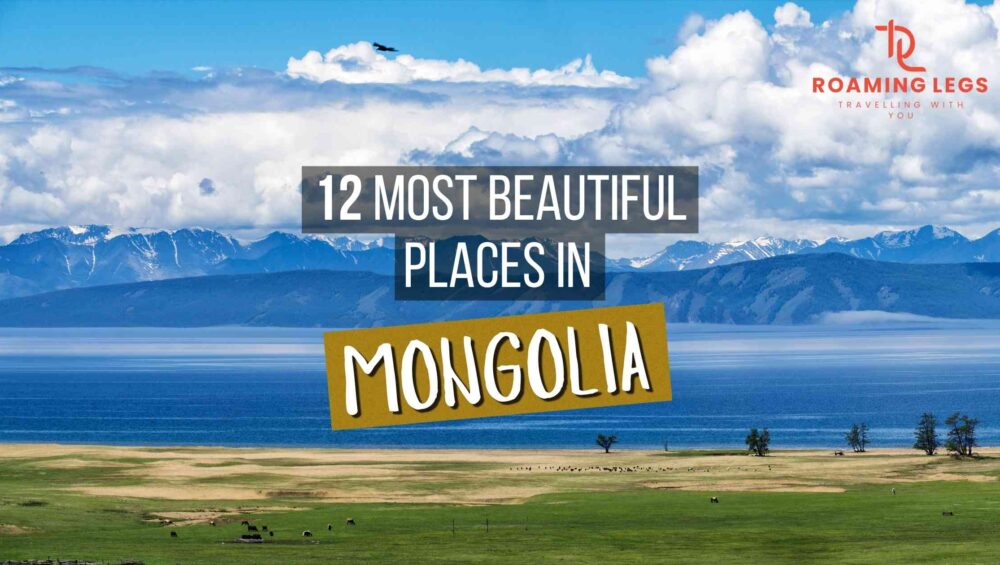
Why Mongolia Feels Different From Other Scenic Destinations

Beautiful Landscapes in Mongolia That Every Nature Lover Should Experience

One travel photo is sometimes enough to change your entire bucket list.

A road disappearing into endless grasslands.
A camel walking across giant golden dunes.
A quiet lake reflecting open skies with nobody around for miles.

That’s usually how Mongolia starts for most travelers.

It’s not the first country people search for when planning scenic travel. Most think about places like Iceland, Switzerland, or New Zealand first.

But once people actually see Mongolia’s landscapes, the reaction is often the same:

“Why is nobody talking about this place?”

And honestly, that reaction makes sense.

Mongolia feels untouched in a way that’s becoming harder to find in modern tourism. There are no crowded viewpoints every few kilometers. No endless lines of tourist buses.

Instead, you get:

  • Open skies
  • Silent roads
  • Endless countryside
  • Dramatic scenery without crowds

That’s what makes Mongolia different.

Why Mongolia Feels Different From Other Scenic Destinations

Some countries impress travelers with famous landmarks.

Mongolia impresses people with space.

The emptiness itself becomes part of the experience.

You can drive for hours watching rolling hills, wild horses, giant skies, and peaceful countryside without constant noise or traffic around you.

And after a while, something interesting happens.

You stop checking your phone.
You stop rushing.
Even sunsets feel slower here.

That’s why many travelers describe Mongolia as emotionally calming, not just visually beautiful.

The Mongolian Steppe Feels Endless in Real Life

Photos never fully capture the scale of the Mongolian steppe.

You need to stand there yourself to understand it.

Grasslands That Stretch Forever

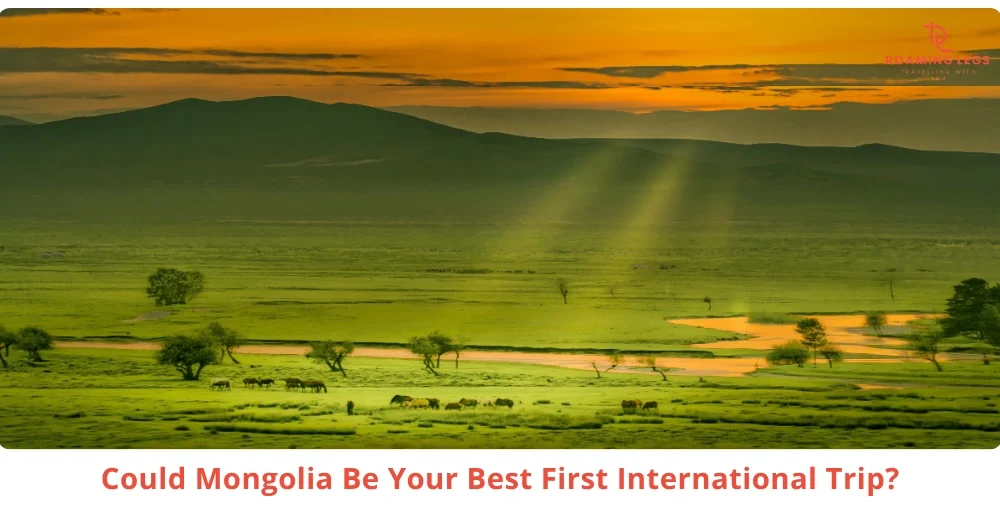
The green plains seem endless.

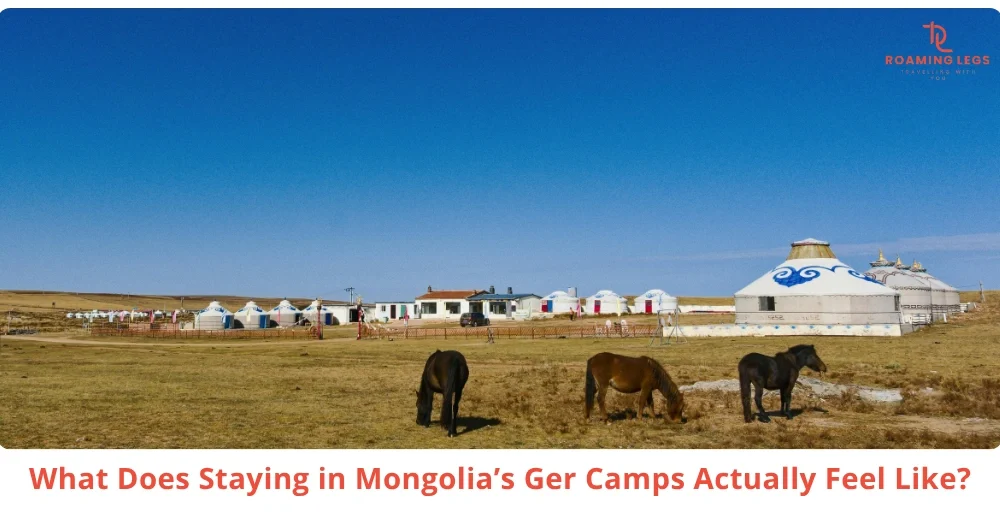
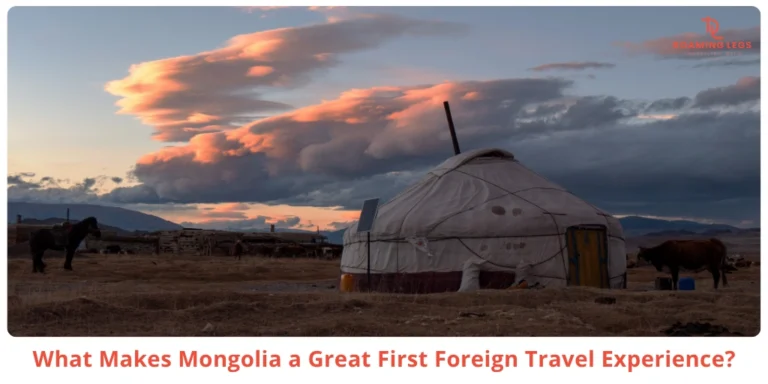
Horses run freely in the distance. Small ger camps appear like tiny dots beneath huge skies. During summer, the scenery changes color throughout the day depending on the sunlight.

Morning feels soft and quiet.
Afternoons feel bright and alive.
Evenings turn golden across the grasslands.

That changing atmosphere is one reason travelers remember Mongolia so clearly afterward.

The Road Journey Becomes the Experience

Ask people about Mongolia, and many won’t mention just one attraction.

They’ll talk about the drive.

The peaceful roads.
The dramatic clouds.
The silence outside the window.

Scenic travel here is less about rushing between tourist spots and more about enjoying the journey itself.

Not sure which Mongolia regions match your travel style? Talk with a Mongolia travel expert and plan a scenic route that fits your interests.
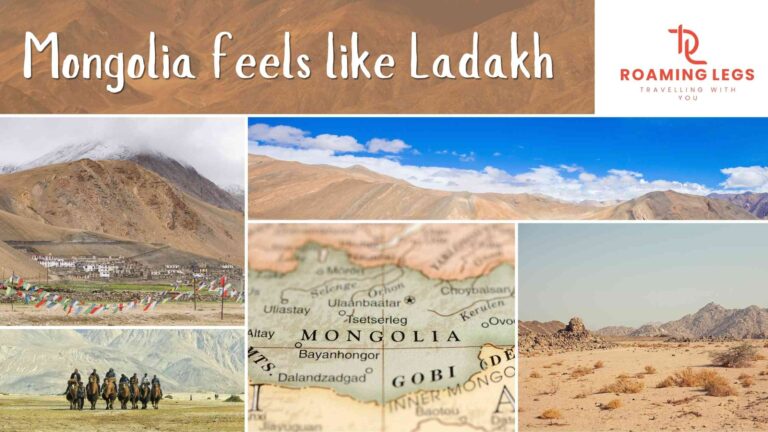
Mongolia feels like ladakh

The Gobi Desert Is More Beautiful Than Most Travelers Expect

Many people imagine deserts as dry and repetitive.

The Gobi Desert feels completely different.

The Landscape Changes Constantly

Yes, there are giant sand dunes.

But there are also:

  • Rocky cliffs
  • Wide valleys
  • Mountain backdrops
  • Dramatic canyon views

The scenery keeps changing during the journey, which makes long drives feel exciting instead of repetitive.

Sunrises and Sunsets Feel Unreal

Lighting completely transforms the desert.

At sunrise, the dunes glow orange and gold. During sunset, the entire landscape becomes softer and cinematic.

That’s why photographers love the Gobi so much.

Even simple photos look dramatic because of the lighting, textures, and open compositions.

Mongolia’s Lakes and Mountains Feel Underrated

While the desert and grasslands get most of the attention, Mongolia’s lakes and mountain valleys quietly become favorite memories for many travelers.

Peaceful Lakes With Almost No Crowds

Imagine sitting beside a calm lake with complete silence around you.

No loud traffic.
No packed cafés.
No tourist noise everywhere.

Just water, fresh air, and stillness.

That peaceful atmosphere is one of Mongolia’s biggest strengths.

Every Season Changes the Mood

Summer brings green valleys and bright landscapes.

Autumn completely changes the scenery into golden tones with colder air and dramatic skies.

Even the same destination can feel visually different depending on the season.

Why Travelers Feel So Connected to Mongolia

Mongolia rewards slow travel.

This is not the kind of destination where people rush through ten attractions in one day.

Instead, travelers spend time:

  • Watching landscapes
  • Sitting beside lakes
  • Enjoying quiet evenings
  • Driving through open countryside

That slower pace creates a stronger connection with nature.

And honestly, the silence becomes part of the memory.

Mongolia Feels Peaceful in a Rare Way

One thing travelers remember most is not just what they saw.

It’s what they didn’t hear.

No constant traffic.
No heavy crowds.
No city noise following you everywhere.

Just wind moving through the grasslands and huge open skies above you.

For many people, Mongolia becomes mentally refreshing because life suddenly feels quieter.

Want to know which scenic spots are best during summer and autumn? Download a visual Mongolia sightseeing guide before your trip.
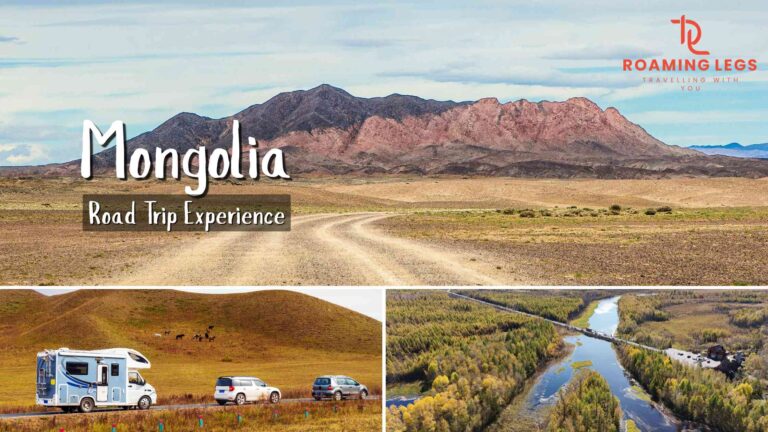
mongolia road trip

Summer and Autumn Are Mongolia’s Most Beautiful Seasons

The best time to visit Mongolia usually comes down to summer or autumn.

Both seasons feel completely different.

Why Summer Feels So Alive

Summer brings:

  • Green grasslands
  • Scenic road trips
  • Horse culture
  • Bright open skies

The country feels energetic and visually vibrant during this season.

Why Autumn Feels More Cinematic

Autumn creates a calmer atmosphere.

Golden valleys, colder air, and dramatic sunsets make the landscapes feel softer and more peaceful.

Photographers and couples especially love Mongolia during autumn because of the lighting and colors.

Which Season Works Best for Different Travelers?
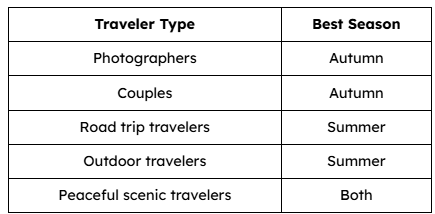
Which Season Works Best for Different Travelers

Is Mongolia Worth Visiting for Nature Lovers?

For travelers who love:

  • Open landscapes
  • Scenic drives
  • Quiet environments
  • Outdoor experiences
  • Slow travel

…Mongolia is absolutely worth considering.

It’s especially popular with:

  • Photographers
  • Couples
  • Nature travelers
  • Road trip lovers
  • Travelers tired of crowded tourism

One thing to know before planning though: distances in Mongolia are much larger than most travelers expect.

Trips work best when the route is planned properly instead of trying to rush between locations.

Want stunning Mongolia landscapes on your phone or laptop? Download a free Mongolia scenic wallpaper collection.
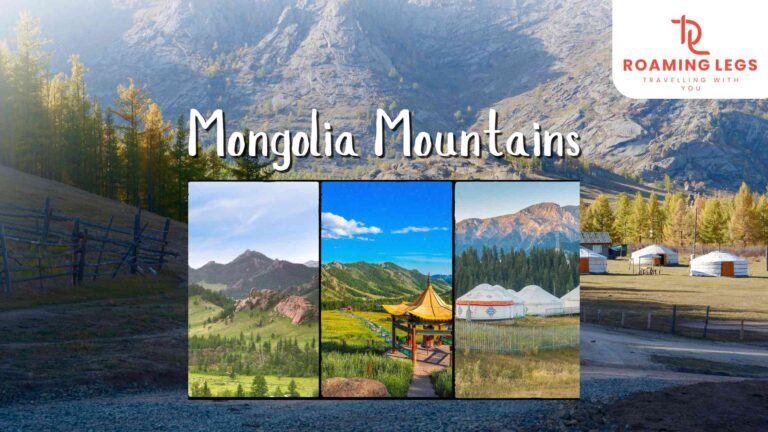
mongolia mountains

Some Places Stay in Your Memory Longer Than Attractions

Mongolia’s beauty does not come from giant city landmarks or packed tourist attractions.

It comes from openness.

From silent roads.
From endless countryside.
From evenings under giant skies.

That’s why many travelers remember how Mongolia felt, not just what they saw.

And honestly, that’s what makes the country unforgettable.

FAQs

What are the most beautiful places to visit in Mongolia?

Some of the most beautiful places in Mongolia include the Gobi Desert, the Mongolian steppe, peaceful mountain valleys, remote lakes, and wide-open countryside regions filled with dramatic scenery.

Is Mongolia good for nature photography?

Yes, Mongolia is excellent for photography.

The country offers:

  • Massive open landscapes
  • Dramatic natural lighting
  • Very low tourist crowds
  • Unique desert and grassland scenery

Sunrise and sunset photography are especially beautiful in Mongolia because of the wide horizons and changing colors.

Which season is best for scenic travel in Mongolia?

Summer and autumn are usually considered the best seasons.

  • Summer: Best for green landscapes, road trips, and outdoor activities
  • Autumn: Best for golden scenery, dramatic skies, and peaceful travel experiences

Both seasons offer very different moods depending on the type of traveler.

Is Mongolia similar to Iceland for nature travel?

Both Mongolia and Iceland offer dramatic landscapes and scenic travel experiences.

The difference is that Mongolia feels less commercial and far less crowded. Travel here feels quieter, slower, and more connected with nature.

How many days are ideal for exploring Mongolia?

Most travelers need at least 7 to 12 days to properly experience Mongolia’s landscapes.

Travel distances are large, and scenic journeys take time. Rushing through multiple regions usually reduces the overall experience.

Is Mongolia good for couples who enjoy peaceful travel?

Yes. Mongolia is a great destination for couples looking for quiet scenery, scenic drives, stargazing, countryside stays, and peaceful nature experiences away from crowded tourism.

Are Mongolia road trips comfortable for travelers?

Mongolia road trips are beautiful, but travelers should expect long driving hours in remote regions.

The experience is more about enjoying the scenery and countryside journey rather than fast-paced travel between attractions.
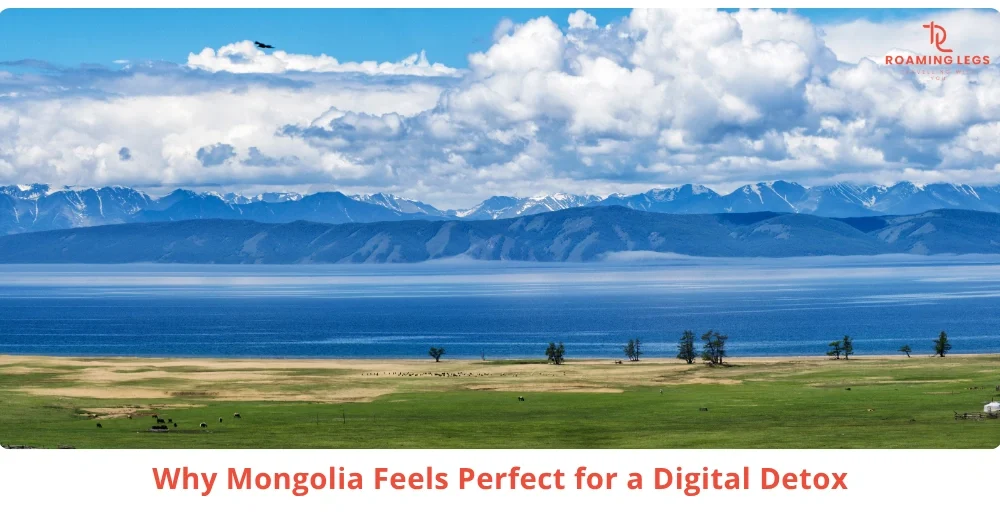
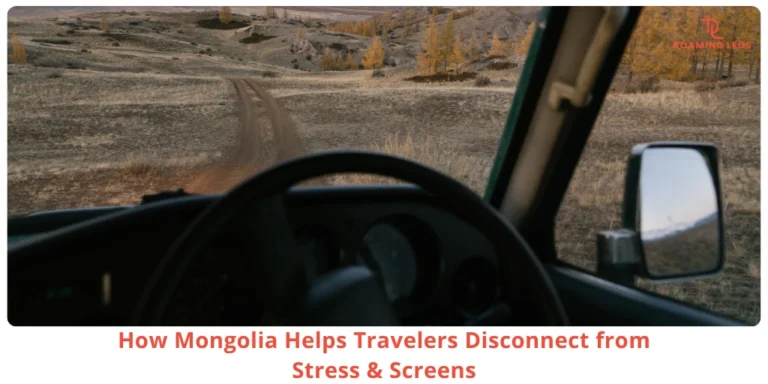
Why More Professionals Are Searching for Digital Detox Experiences

Why Mongolia Is Becoming a Favorite Destination for Digital Detox Travel

Your phone vibrates before your eyes even fully open.
Emails. 

Instagram reels. 

Slack pings. 

News alerts. 

WhatsApp groups. More scrolling during lunch. 

More screen time before bed.

And somehow, even after a vacation, many people still return feeling mentally tired.

That’s exactly why more travelers are quietly moving toward digital detox destinations that feel slower, calmer, and emotionally lighter. 

Not trips packed with activities every hour. 

Not crowded “healing retreats” filled with selfie spots. Just space to breathe again.

This is where Mongolia enters the conversation.

Unlike most popular wellness travel hotspots, Mongolia doesn’t try too hard.

There are no loud wellness promises everywhere. 

No pressure to constantly document your trip online. 

No overstimulation.

Instead, you find open grasslands, long silent roads, peaceful skies, and a rhythm of life that naturally slows your mind down.

That’s what makes digital detox Mongolia experiences feel different.

You don’t disconnect because someone tells you to.

You disconnect because, after a while, your mind simply stops needing the noise.

Why More Professionals Are Searching for Digital Detox Experiences

People are not just tired physically anymore. They are mentally overloaded.

Work follows them home. 

Notifications never stop. 

Social media keeps attention constantly divided. 

Even weekends feel rushed.

That’s why wellness travel trends are changing fast. More travelers now want:

  • emotional rest
  • slower experiences
  • meaningful trips
  • fewer digital distractions

For many urban professionals, travel is no longer only about sightseeing. 

It’s becoming a form of burnout recovery.

Why Traditional Vacations Often Don’t Feel Mentally Restful

A lot of trips today look relaxing online but feel exhausting in reality.

Packed itineraries. 

Crowded attractions. 

Constant phone usage. 

Taking photos every few minutes. 

Uploading stories during the trip itself.

Even on holiday, people stay mentally “online.”

That’s why many travelers return home needing another break after the vacation ends.

Why Travelers Are Moving Toward Slow and Intentional Travel

More people are now interested in slow travel destinations where the experience feels calmer and more personal.

Instead of rushing through ten attractions in two days, travelers want:

  • quiet mornings
  • deeper conversations
  • peaceful surroundings
  • time to think clearly again

This shift is one reason why peaceful international destinations like Mongolia are gaining attention among burnout travelers and remote workers.

What Makes Mongolia Feel So Different From Modern City Life

The first thing many travelers notice in Mongolia is silence.

Not awkward silence. 

Real silence.

The Silence Feels Unusual at First

In cities, background noise never stops. 

Traffic. 

Horns. 

Phones. 

TVs. 

Notifications.

But in the Mongolian countryside, evenings can feel almost unbelievably quiet.

You hear wind instead of traffic. 

Horses instead of engines. 

Campfires instead of nightlife speakers.

For many travelers, that quietness feels strange during the first day. 

Then slowly, it starts feeling peaceful.

Nature Becomes the Main Experience Instead of Entertainment

Nomadic Simplicity Changes Your Sense of Time

One of the most interesting parts of nomadic life Mongolia experiences is how simple daily routines become.

Wake up slowly. 

Eat fresh meals. Spend time outdoors. 

Watch sunsets without checking your phone every five minutes.

Life inside traditional ger camps feels slower in the best possible way.

Without constant notifications, people often realize how fast and distracted their normal routine has become.

Nature Becomes the Main Experience Instead of Entertainment

In Mongolia, entertainment is not built around screens.

The experience becomes:

  • horseback riding through open valleys
  • sitting around campfires
  • watching stars without city lights
  • long road journeys across grasslands
  • conversations that continue without anyone checking phones

That’s why many travelers describe digital detox experiences in Mongolia as emotionally calming rather than activity-heavy.

Feeling mentally exhausted from nonstop work and screen time? Talk with a Mongolia travel expert about peaceful slow-travel experiences.

Mongolia vs Bali and Mainstream Wellness Retreat Destinations

Why Bali Became Popular for Wellness Travel

Places like Bali became famous because they combined yoga retreats, cafés, wellness resorts, and remote work culture into one experience.

For years, Bali represented modern wellness travel for many professionals.

Why Some Travelers Now Want More Privacy and Less Commercial Wellness Tourism

But some travelers are starting to feel overwhelmed even in wellness destinations.

Too many tourists. Too much content creation. Curated “healing” experiences designed more for Instagram than emotional rest.

Some wellness retreats now feel busier than regular holidays.

Why Mongolia Feels More Raw and Emotionally Quiet

Mongolia offers almost the opposite atmosphere.

Less crowding. Fewer distractions. More space. More silence.

That’s what makes Mongolia vs Bali retreats conversations interesting today. Mongolia feels less commercial and more emotionally grounding.

Instead of wellness being an activity, the environment itself becomes calming.

What a Digital Detox Experience in Mongolia Can Actually Feel Like

The First 24 Hours Usually Feel Uncomfortable

Many travelers instinctively reach for their phone repeatedly during the first day.

Checking notifications. Refreshing apps. Looking for internet signals.

Then they slowly notice something surprising:
nothing urgent is happening.

Then the Mind Slowly Starts Quieting Down

After a couple of days, many travelers start sleeping better.

Conversations become longer. Meals feel slower. People notice mountains, skies, and sounds more deeply.

The mental clutter reduces.

This is where the real digital detox travel experience begins.

The Experience Often Feels More Emotional Than Expected

Some travelers describe the trip as mentally refreshing. Others call it emotionally clarifying.

Without constant digital noise, people often reconnect with thoughts they’ve been avoiding for months.

That’s why Mongolia transformation travel experiences feel personal rather than performative.

Common Concerns Travelers Have About Disconnecting in Mongolia

What If There’s Limited Internet?

Cities in Mongolia still have internet access, hotels, and modern facilities.

But countryside regions naturally have weaker connectivity, which becomes part of the offline experience.

For many travelers, selective disconnection actually feels healthier than being fully unavailable.

Is Mongolia Too Remote for Comfortable Travel?

Not anymore.

Many organized trips now include:

  • premium ger camps
  • guided countryside journeys
  • private transport
  • comfort-focused itineraries

Travelers can experience nature without sacrificing comfort completely.

Can Luxury Travelers Still Enjoy a Digital Detox Experience?

Absolutely.

Luxury wellness travel Mongolia experiences now include stylish countryside stays, private camps, wellness-focused routes, and curated slow-travel journeys.

It’s less about luxury shopping and more about emotional comfort.

Not sure how to prepare for an offline countryside experience? Download a practical Mongolia wellness travel guide before your trip.

Nature Becomes the Main Experience

Why Summer Is the Best Season for a Mongolia Digital Detox Trip

Summer Makes Countryside Travel Easier and More Comfortable

Summer transforms Mongolia into wide green landscapes filled with open skies and peaceful road journeys.

Temperatures become comfortable, countryside access improves, and outdoor stays feel far more enjoyable.

That’s why many travelers consider it the best time for Mongolia wellness travel.

Experiences That Help Travelers Disconnect Naturally

Summer also makes slow outdoor experiences easier:

  • sunrise walks
  • horseback riding
  • stargazing
  • nomadic stays
  • quiet campfire evenings

Unlike crowded tourist cities, Mongolia encourages people to slow down naturally instead of forcing relaxation schedules.

Who Usually Connects Most With This Type of Travel Experience

This kind of trip usually attracts:

  • burnout professionals
  • entrepreneurs
  • remote workers
  • couples needing emotional reset
  • wellness-focused travelers
  • people tired of hyper-commercial tourism

Many travelers also realize that well-planned routes and premium countryside stays make the experience smoother and more comfortable.

That’s why guided slow-travel experiences often work best for first-time Mongolia visitors.

Want a structured wellness-focused route through Mongolia? Download a digital detox travel plan designed for peaceful slow travel.

Maybe Peace Is Becoming the Real Luxury

Luxury used to mean bigger hotels, faster travel, and packed itineraries.

But many travelers today want something else:
silence.

Space.

A calmer mind.

That’s exactly why Mongolia is quietly becoming one of the most interesting peaceful wellness destinations for modern travelers.

The real value of a digital detox is not simply avoiding technology.

It’s finally hearing your own thoughts again.

Sometimes the most meaningful part of travel is not what you add to your life — but what you finally allow yourself to pause from.

FAQs About Digital Detox Travel in Mongolia

Is Mongolia a good destination for digital detox travel?

Yes. Mongolia’s peaceful environment, low-distraction landscapes, and slower pace make it ideal for travelers wanting a genuine mental break from constant digital noise.

Will travelers have internet access in Mongolia?

Internet is available in cities and major towns. However, countryside areas may have weaker connectivity, which naturally supports selective digital disconnection.

Are luxury wellness experiences available in Mongolia?

Yes. Travelers can find premium ger camps, private countryside stays, and comfort-focused wellness experiences across different parts of Mongolia.

How many days are ideal for a digital detox trip in Mongolia?

Most travelers benefit from at least 7–10 days. This gives enough time to adjust mentally, slow down properly, and enjoy countryside-focused experiences without rushing.

Is Mongolia suitable for solo wellness travelers?

Yes. Mongolia is popular among solo travelers looking for peaceful and slow-paced experiences. Guided tours and organized routes also make travel more comfortable and safe for first-time visitors.

What Staying Inside a Mongolia Ger Camp Actually Feels Like

Inside Mongolia’s Ger Camps: What Indian Travelers Should Expect

Many Indian travelers imagine camping in Mongolia as something rough and uncomfortable. 

Sleeping bags, freezing nights, weak facilities, and survival-style travel usually come to mind first.

But the reality feels very different.

Modern Mongolia ger camps can actually be cozy, peaceful, and surprisingly comfortable. 

Some are simple countryside stays, while others feel close to luxury glamping experiences with heated interiors, premium bedding, scenic dining spaces, and attached bathrooms.

And honestly, the moment you wake up surrounded by open grasslands with complete silence around you, you realize this is not just another hotel stay.

It becomes part of the trip itself.

That’s why many travelers say staying in a ger camp becomes their strongest memory from Mongolia — sometimes even more than the sightseeing.

What Is a Ger Camp in Mongolia?

Understanding Mongolia’s Traditional Ger Homes

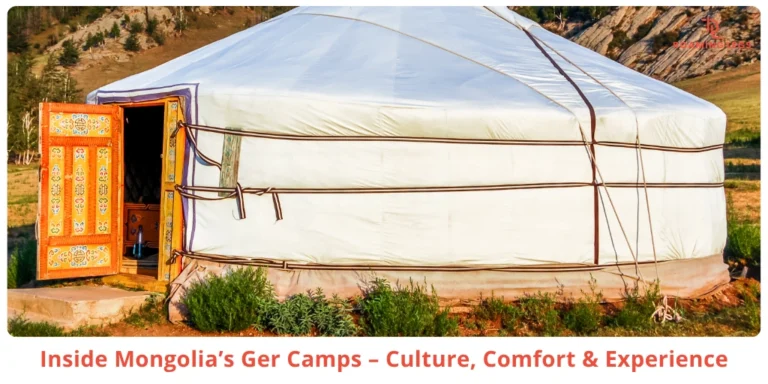
A ger is a traditional Mongolian home used by nomadic families for centuries.

These circular homes are specially designed to be portable because many Mongolian families move between regions with changing seasons and livestock needs.

A traditional ger usually includes:

  • Wooden framework
  • Thick felt insulation
  • Fabric outer covering
  • Central heating stove
  • Circular interior layout

Even today, gers are deeply connected to Mongolian culture and identity. 

Across the countryside, you’ll still see local families living inside them.

That’s what makes staying in a ger camp Mongolia experience feel cultural instead of commercial.

How Ger Camps Work for Travelers Today

Today’s Mongolia ger camps are built for tourism while still keeping the traditional atmosphere alive.

Most camps include:

  • Private guest gers
  • Dining halls
  • Reception areas
  • Guided countryside activities
  • Shared or private washrooms
  • Outdoor seating spaces

Some camps are basic and authentic. Others focus heavily on comfort and premium hospitality.

Why Ger Camps Feel Different From Regular Hotels

Hotels give convenience.

Ger camps give experience.

You wake up with mountain views, fresh cold air, open grasslands, and complete silence around you. There’s no traffic, no city noise, and no crowded tourist feeling.

That peaceful environment is what makes Mongolia cultural stays feel emotionally different from normal vacations.

Unsure whether a standard camp or luxury ger stay fits your travel style better? Speak with a Mongolia travel specialist before finalizing your trip.

What Staying Inside a Mongolia Ger Camp Actually Feels Like

Your First Impression After Arriving

The first thing most travelers notice is the silence.

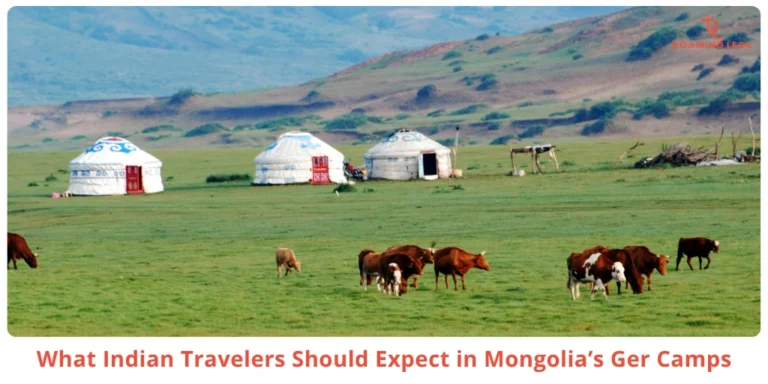
After long countryside drives, you suddenly arrive in massive open landscapes with rows of white gers spread across the grasslands. Some camps sit near mountains, while others are surrounded by endless green fields.

The air feels cleaner. Cooler.

And the environment immediately slows your mind down.

That first impression becomes a huge part of the Mongolia camp experience.

Inside the Ger: What Travelers Usually Notice First

From outside, the gers look simple.

Inside, they feel warm and surprisingly cozy.

Most gers include:

  • Wooden furniture
  • Traditional decorative touches
  • Comfortable beds
  • Small tables and seating spaces
  • Heating arrangements

Luxury Mongolia glamping camps may also include stylish interiors, attached washrooms, premium bedding, and mood lighting.

The circular design also creates a calm and comfortable atmosphere that feels very different from hotels.

The Experience at Night Feels Completely Different From City Travel

Nighttime in Mongolia feels unforgettable if you’re used to busy Indian cities.

No traffic sounds.

No loud streets.

No constant notifications and digital noise.

Just cold air, stars, campfire conversations, and complete peace.

Many travelers say they sleep better in the countryside than they do back home.

Are Mongolia Ger Camps Comfortable for Indian Travelers?

What the Sleeping Arrangements Are Usually Like

This is one of the biggest concerns for first-time travelers.

Thankfully, most organized camps provide proper beds, mattresses, pillows, blankets, and heating systems during colder weather.

Depending on your budget, you can choose:

  • Twin-sharing gers
  • Family stays
  • Private luxury setups
  • Premium glamping camps

Luxury ger camps Mongolia experiences feel much more comfortable than most travelers expect.

Why Ger Camps Create More Memorable Travel Experiences

What Bathrooms and Showers Are Actually Like

Bathroom quality depends on the type of camp you book.

Standard camps usually offer:

  • Shared washrooms
  • Shared shower facilities
  • Basic but maintained cleanliness

Luxury Mongolia accommodation camps often include:

  • Attached bathrooms
  • Hot water showers
  • Better plumbing systems
  • Premium hygiene standards

So yes, private bathrooms are available — mostly in higher-end camps.

Is Hygiene a Concern in Ger Camps?

Most organized camps maintain good cleanliness standards because tourism in Mongolia has grown significantly over the years.

Still, there’s a clear difference between premium camps and basic countryside stays.

That’s why booking through trusted operators matters, especially if comfort and hygiene are important for you.

What Food Can Travelers Expect?

Food in ger camps is usually simple, warm, and filling.

You’ll commonly find:

  • Rice dishes
  • Soups
  • Noodles
  • Bread
  • Tea and coffee
  • Grilled items

Vegetarian meals are also possible in many camps if informed earlier.

Some premium camps even create beautiful outdoor dining experiences with scenic countryside views.

Ger Camps vs Hotels: Which Experience Is Better?

Why Hotels Feel More Familiar

Hotels naturally feel easier for many travelers because they offer:

  • Predictable comfort
  • Better connectivity
  • Standard facilities
  • Familiar city atmosphere

For travelers who prefer routine comfort, hotels can feel more convenient.

Why Ger Camps Create More Memorable Travel Experiences

Ger camps create emotional connection.

You feel Mongolia instead of just visiting it.

The silence, open landscapes, cultural atmosphere, and slower pace of life make the entire stay feel meaningful.

That’s why many travelers researching where to stay in Mongolia decide to include at least one ger camp experience.

Why Many Travelers Prefer Combining Both

The best combination is often:

  • Hotel stays in Ulaanbaatar
  • Ger camp stays in countryside regions

This balance works especially well for Indian travelers who want both comfort and unique experiences.

Confused about what to pack for a Mongolia countryside stay? Avoid common mistakes with a practical ger camp travel checklist.

The Rise of Luxury Ger Camps and Glamping in Mongolia

What Luxury Ger Camps Usually Include

Luxury Mongolia glamping experiences are becoming increasingly popular because travelers now want comfort along with nature.

Premium camps usually include:

  • Private bathrooms
  • Premium bedding
  • Scenic camp locations
  • Personalized hospitality
  • Curated dining experiences
  • Better interior design

Some luxury camps feel very close to eco-resorts.

Why Luxury Travelers Are Becoming Interested in Mongolia

Many travelers today are moving away from crowded tourist destinations.

Instead, they want:

  • Quiet experiences
  • Nature-focused travel
  • Slow travel experiences
  • Meaningful stays

That’s one big reason luxury Mongolia accommodation experiences are becoming popular among couples and premium travelers.

Who Usually Prefers Luxury Ger Experiences

Luxury ger stays are especially popular among:

  • Couples
  • Honeymoon travelers
  • Photographers
  • Nature lovers
  • Slow travelers
  • Professionals wanting peaceful premium stays

Best Time to Stay in Ger Camps in Mongolia

Why Summer Is the Most Popular Season

Summer is considered the best time for ger camps Mongolia trips because:

  • Landscapes become green and beautiful
  • Weather stays comfortable
  • Roads become easier to access
  • Local festivals happen during this season

That’s why Mongolia summer camping experiences are most popular from June to August.

What Summer Nights in Ger Camps Feel Like

Summer nights in Mongolia feel calm and peaceful.

You sit outside your ger wearing a light jacket while looking at a sky full of stars with almost no light pollution around you.

Simple moments suddenly feel special there.

Who Will Enjoy Ger Camps the Most?

Ger camps are ideal for:

  • Nature lovers
  • Couples
  • Cultural travelers
  • Photographers
  • Luxury experience seekers
  • Travelers tired of crowded tourism

But the experience depends heavily on choosing the right camp.

Some camps focus on authentic countryside living. Others focus more on premium comfort and luxury.

That’s why proper trip guidance matters.

Need help comparing standard, premium, and luxury Mongolia accommodation options before booking your trip?

Ger Camps Create More Memorable Travel Experiences

The Stay You’ll Probably Remember Most in Mongolia

Many travelers visit Mongolia expecting the sightseeing to become their biggest memory.

But later, they often talk more about the stay itself.

The silence outside the ger.

The cold countryside air.

The massive open landscapes.

The feeling of disconnecting from crowded city life.

That’s what makes Mongolia feel emotionally different from many destinations. The accommodation becomes part of the journey instead of just a place to sleep.

And long after the trip ends, many travelers remember the silence outside the ger more clearly than the attractions they visited.

FAQs About Mongolia Ger Camps

Are Mongolia ger camps safe for Indian travelers?

Yes, most organized Mongolia ger camps are beginner-friendly and safe when booked through trusted travel operators.

Do ger camps have private bathrooms?

Luxury camps often provide attached bathrooms, while standard camps usually have shared facilities.

Is Wi-Fi available in Mongolia ger camps?

Some premium camps offer limited Wi-Fi, but connectivity is usually weaker in remote countryside areas.

Are luxury ger camps worth it in Mongolia?

Yes, especially for travelers who want better comfort, privacy, and premium countryside experiences.

What should travelers pack for a ger camp stay?

Carry:

  • Layered clothing
  • Comfortable walking shoes
  • Power banks
  • Moisturizer and skincare
  • Sunglasses
  • Weather-friendly jackets
Best 5-Day Bali Itinerary for Couples Who Have Limited Leave

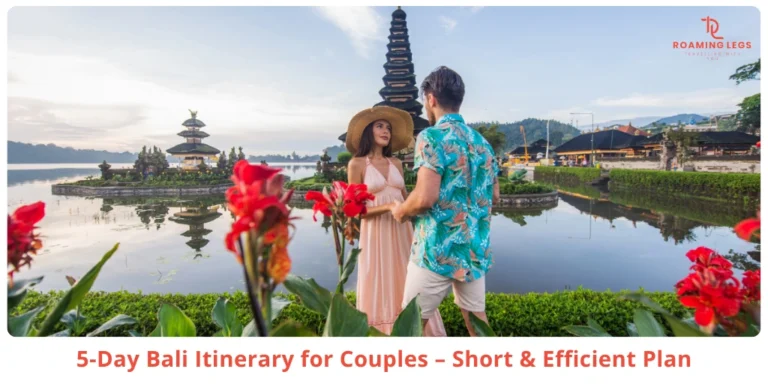
5-Day Bali Itinerary for Couples — What to Do, Where to Stay, and What to Skip When You Have Limited Leave

5 days in Bali — is it actually enough for a couple?

Honestly, yes. 

But only if you stop trying to do everything.

Most couples arrive with a list that would take 10 days to cover comfortably. 

They pack in Ubud, Seminyak, Uluwatu, Nusa Penida, Mount Batur, and a spa day — all in 5 nights. 

By Day 3, they’re exhausted, they’ve spent half their trip in a car, and the “romantic getaway” starts feeling like a race.

This guide is built specifically for couples flying in from India with limited leave. 

The goal isn’t to show you 40 things to do in Bali. 

The goal is to help you actually enjoy those 5 days — without spending half of them on the road.

Here’s exactly how to structure your 5 days, where to stay, what to eat, how much it will cost, and the two or three things worth skipping entirely.

5-Day Bali Couples Trip at a Glance

Day Focus Area
Day 1 Arrival, settle in, light dinner Seminyak or Ubud
Day 2 Main exploration — temples, views, culture Based on your base
Day 3 Signature experience — nature or beach Day trip
Day 4 Slow day — spa, romantic dinner, sunset Your base
Day 5 Easy morning, checkout, airport Departure
One rule to follow: Pick one base and stay there. Moving hotels every 2 days in a 5-day trip is the fastest way to make your holiday feel like logistics.

Day 1

Focus: Arrival, settle in, light dinner
Area: Seminyak or Ubud

Day 2

Focus: Main exploration — temples, views, culture
Area: Based on your base

Day 3

Focus: Signature experience — nature or beach
Area: Day trip

Day 4

Focus: Slow day — spa, romantic dinner, sunset
Area: Your base

Day 5

Focus: Easy morning, checkout, airport
Area: Departure

Ubud or Seminyak — Which One Should Couples Choose?

This is the question we get most from couples planning their first Bali trip. 

And the honest answer is: it depends on what kind of trip you actually want.

Choose Ubud if you want rice terraces, jungle views, peaceful mornings, private pool villas, and the kind of quiet that actually helps you disconnect. 

Ubud is made for couples who want to feel like they went somewhere different — not just another beach trip.

Choose Seminyak if you want sunsets on the beach, boutique restaurants, rooftop cocktails, and a bit of energy in the evenings. 

It’s beach-town living with good food and easy access to Uluwatu.

Both are excellent for 5 days. 

Neither is wrong. 

But trying to do both in 5 days — switching hotels mid-trip — wastes a full day of travel and ruins the pace.

Where to Stay (Real Hotels, Real Prices)

In Ubud — Mid-Range:

  • Bisma Eight — ₹8,500–₹12,000/night, jungle view infinity pool, couples favourite
  • Sankara Ubud Resort — ₹10,000–₹16,000/night, private pool rooms available

In Ubud — Luxury:

  • Komaneka at Bisma — ₹28,000–₹45,000/night, one of the finest boutique stays in Bali
  • Alaya Resort Ubud — ₹18,000–₹28,000/night, central Ubud, beautiful design

In Seminyak — Mid-Range:

  • W Bali Seminyak — ₹14,000–₹22,000/night, beach access, modern rooms
  • The Layar Private Villas — ₹20,000–₹35,000/night, private villa feel near the beach

Book 6–8 weeks ahead for the best rates. 

July and August see a 30–40% price jump, so if you’re flexible on dates, May–June and September–October are the sweet spot.

🌴 FREE BALI ITINERARY — FOR YOU

Planning a Bali trip in the next 30–60 days?

Tell us your travel dates and budget on WhatsApp and we'll send you a ready-made 5-day Bali itinerary with hotel options within 24 hours — completely free.

Short bali copule tour

Day-by-Day 5-Day Bali Itinerary for Couples

Day 1 — Arrival Day (Don’t Plan Anything Else)

Your flight from India lands at Ngurah Rai International Airport in Denpasar. 

Most connecting flights from Delhi, Mumbai, or Bangalore arrive in the afternoon or evening.

Keep Day 1 completely clear of sightseeing. 

That’s not laziness — that’s how you actually recover from a 9–11 hour journey (including the layover in Kuala Lumpur or Singapore).

What to do on Day 1:

  • Get your Visa on Arrival at the airport (₹1,800–₹2,200 per person, takes 20–40 minutes)
  • Pre-arrange a private driver pickup — costs ₹1,500–₹2,000 for airport to your hotel
  • Check in, freshen up, walk to a nearby restaurant for dinner
  • Sleep by 9 or 10 PM — you’ll thank yourself on Day 2

Where to eat on Day 1 (easy, close to most Ubud hotels):

  • Locavore To Go — casual, quality food, not far from central Ubud
  • Naughty Nuri’s — ribs and cocktails, a Bali classic

Day 2 — Main Exploration Day

This is your first full day. 

Go out, move around, see the places that actually matter — but stick to 2 or 3 spots maximum. 

More than that and you’ll be exhausted before lunch.

If you’re based in Ubud:

Start with the Campuhan Ridge Walk before 7:30 AM. 

It’s a 3.5 km walk through open green hills above Ubud — no entry fee, no crowds at that hour, and genuinely beautiful. 

By 9 AM the tour groups arrive and it becomes a completely different experience.

After breakfast, head to Tegallalang Rice Terraces (about 20 minutes north of central Ubud). 

Entry fee is around ₹150. 

Go before 9 AM if you can — the light is better and the selfie crowds haven’t arrived yet. 

Have a coffee at one of the ridge cafes looking out over the terraces.

In the afternoon, visit Pura Tirta Empul — a sacred Hindu water temple where locals come to purify themselves. 

It’s one of the most atmospheric places in all of Bali. 

Wear a sarong (provided at the entrance). 

Entry: ₹250.

Evening: book a table at Bridges Bali in Ubud — a beautiful restaurant perched over a river gorge. 

Atmospheric, delicious, perfectly romantic for a first proper evening in Bali.

If you’re based in Seminyak:

Morning — walk or drive to Petitenget Beach just north of Seminyak. 

Less crowded than Kuta, cleaner, and a genuinely nice place to sit with a coffee and watch the waves.

Midday — explore Seminyak Square and Eat Street for lunch. 

Good mid-range options: La Lucciola or Sardine (book ahead for Sardine).

Evening — drive down to Uluwatu Temple for sunset. 

The temple sits on a 70-metre cliff above the Indian Ocean. 

The Kecak Fire Dance performance happens every evening at 6 PM (₹250 entry). 

Book your private driver to wait — getting back from Uluwatu without a car is painful.

Day 3 — Your Signature Experience Day

Pick one. 

Don’t do both.

Option A — Nature Day (Ubud-based couples)

Drive to Tegenungan Waterfall (25 minutes from Ubud, entry ₹200) in the morning — arrive before 9 AM before the tour buses show up. 

The walk down is steep but manageable. 

The waterfall pools are swimmable.

After that, consider Bali Swing at Zen Hideaway near Ubud — yes, it’s very Instagram but genuinely fun for couples. 

The premium swings cost around ₹2,500–₹4,000 per person.

Back at the hotel by 3 PM, followed by a couples massage at your resort or a spa nearby. 

Ubud spas offer Balinese massages for ₹800–₹2,000 per person for 90 minutes.

Option B — Beach + Temple Day (Seminyak-based couples)

Morning: drive south to Jimbaran Bay and walk the beach. 

Jimbaran is calm, the water is gentler than Kuta, and the seafood warungs right on the beach are one of Bali’s best experiences.

Afternoon: head to GWK Cultural Park if you haven’t been to South Bali’s big landmark — home to the massive Garuda Wisnu Kencana statue. 

Entry ₹350.

Evening: return to Jimbaran for a seafood dinner on the beach — pick any of the beachside warungs (try Menega Cafe or Teba Mega Cafe). 

Grilled fish, prawns, and squid for two: ₹2,500–₹4,500 including drinks. 

Tables right on the sand, torches lit, waves 10 metres away. 

This dinner alone is worth the trip to South Bali.

📋 500+ BALI TRIPS — HERE'S WHAT WE'VE LEARNED

Structure the morning. Leave the afternoon free.

The couples who enjoy Bali the most are the ones who pre-plan their transfers and restaurants but keep their afternoons completely open. Not every hour needs an activity. The best Bali memories usually happen between the plans.

5 Day bali tou

Day 4 — The Day You Actually Fall in Love With Bali

This is the most important day of the trip and most people mess it up by adding another activity.

Day 4 should have one structure: slow morning → spa → romantic dinner.

Morning: wake up late, eat breakfast at the hotel, swim in your pool, read, or just sit somewhere with a good view.

Afternoon: book a spa session. 

In Ubud, Karsa Spa is one of the best — the outdoor treatment rooms sit in a rice field. 

Couples package (90 minutes each, flower bath, Balinese massage) costs around ₹4,500–₹6,500 for two. 

In Seminyak, Sundari Day Spa is a solid mid-range option.

Evening dinner — make this one count:

  • In Ubud: Mozaic Restaurant — tasting menu, fine dining, one of the best restaurant experiences in Southeast Asia. 
  • Book a week ahead. ₹7,000–₹12,000 per couple.
  • In Seminyak: Merah Putih — beautiful Dutch colonial building, Indonesian-inspired menu, excellent cocktails. 
  • ₹5,000–₹9,000 for two.

Go back to the hotel, order dessert, stay up talking. 

This is what the trip was for.

Day 5 — Departure Day

Keep it calm. 

Don’t book a morning activity. 

Don’t squeeze in “one last temple.”

Most flights back to India depart in the late morning or afternoon. 

Leave your hotel 3 hours before your flight — Bali traffic near the airport can be 45–90 minutes from Ubud, or 30–45 minutes from Seminyak.

Easy breakfast, pack slowly, check out, drive to airport. 

Done.

How Much Does a 5-Day Bali Couple Trip Cost from India?

Budget Type Total Cost Per Couple (5 nights incl. flights) What You Get
Budget ₹80,000–₹1,10,000 Mid-range hotel, IndiGo/AirAsia connecting flights, local food
Mid-Range ₹1,20,000–₹1,80,000 Private pool villa, private driver, good restaurants
Luxury ₹2,00,000–₹3,50,000 Premium resort, daily spa, fine dining, everything pre-arranged

Flight costs: Return flights from Delhi or Mumbai to Bali (via Kuala Lumpur or Singapore on IndiGo, AirAsia, or Vistara) range from ₹24,000–₹45,000 per person when booked 6–8 weeks ahead. Prices spike significantly in July–August.

Private driver: ₹3,000–₹4,500/day — the most convenient option. Don't rely on taxis for full-day trips.

Food: Budget ₹2,000–₹4,000 per couple per day for meals — covers everything from a good lunch at a warung to a proper dinner.

Budget

Total Cost Per Couple: ₹80,000–₹1,10,000
What You Get: Mid-range hotel, IndiGo/AirAsia connecting flights, local food

Mid-Range

Total Cost Per Couple: ₹1,20,000–₹1,80,000
What You Get: Private pool villa, private driver, good restaurants

Luxury

Total Cost Per Couple: ₹2,00,000–₹3,50,000
What You Get: Premium resort, daily spa, fine dining, everything pre-arranged

What to Skip in a 5-Day Bali Trip

Nusa Penida: It’s stunning, but a day trip to Nusa Penida from the mainland takes 1.5 hours on a ferry each way, then another 4–5 hours driving around the island on rough roads. 

By the time you’re back at your hotel, you’ve spent 14 hours on transport and rough terrain. 

Save it for a longer trip.

Mount Batur sunrise trek: The 4 AM start, the 2-hour hike, and the 3-hour descent are a big ask in the middle of a short couple trip. 

Great experience, wrong trip.

Changing hotels mid-trip: Every hotel change burns 3–4 hours — packing, checking out, traffic, checking in, unpacking. In a 5-day trip, that’s too expensive a tradeoff.

What Real Couples Say

Karina& Sagar, Bangalore — April 2026 “We’d tried to plan Bali ourselves twice and always gave up because there was too much to figure out. 

Roaming Legs gave us a 5-day itinerary that made sense — two nights in Ubud, two in Seminyak, private driver the whole time. 

The Day 4 spa and Mozaic dinner was the best evening of our entire trip. 

Exactly what we needed.”

Meera & Arjun, Delhi — February 2026 “We were skeptical about 5 days being enough. 

It absolutely was. 

We stayed in one place (Ubud), did 2 things a day maximum, and actually felt rested when we came back. 

The Campuhan Ridge Walk at 7 AM on Day 2 — we still talk about that morning.”

5-Day Bali Couple Trip from India — FAQs

5-Day Bali Couple Trip from India — FAQs

Everything Indian couples ask before booking a 5-day Bali trip — from costs and visa to the best bases, romantic restaurants, and what's actually worth your time.

1. Is 5 days enough for a couple's trip to Bali?

Yes — if you pick one base and keep your daily plan to 2–3 activities. Couples who try to cover Ubud, Seminyak, Nusa Penida, and Uluwatu all in 5 days usually end up spending more time in the car than enjoying Bali. One base, relaxed pace, and it's genuinely enough for a great trip.

2. What is the best base for a couple in Bali for 5 days?

Ubud is better if you want jungle, quiet, rice terraces, and spa culture. Seminyak is better if you want beaches, restaurants, and some evening energy. Both work well for 5 days — choose based on your travel style, not what you saw on Instagram.

3. How much does a 5-day Bali trip cost for a couple from India?

Including return flights and accommodation, expect to spend ₹80,000–₹1,80,000 per couple depending on your budget style. Mid-range couples (private pool villa + private driver + decent restaurants) typically spend ₹1,20,000–₹1,60,000 for 5 nights.

4. Which airlines fly from India to Bali and what is the price?

IndiGo, AirAsia, and Vistara are the most common options, connecting through Kuala Lumpur or Singapore. Return fares from Delhi or Mumbai range from ₹24,000–₹45,000 per person when booked 6–8 weeks in advance. Total flight time is 9–11 hours including the layover.

5. Do Indian couples need a visa to visit Bali?

Indian passport holders get Visa on Arrival (VOA) at Ngurah Rai Airport in Bali. It costs USD 35 per person (around ₹2,900), valid for 30 days. The queue takes 20–45 minutes depending on how many flights have landed at the same time.

6. What is the best time of year for a couple's Bali trip from India?

April–June and September–October are the sweet spot — dry weather, fewer crowds than peak July–August, and better hotel rates (20–30% lower). December–February is Bali's rainy season but still manageable, with afternoon showers rather than all-day rain.

7. Should couples do a split stay (Ubud + Seminyak) in 5 days?

Only if you're very comfortable with travel logistics. Switching hotels burns a half-day, and in 5 days that's a significant tradeoff. If you want both Ubud and Seminyak, plan 7 nights instead. For 5 days, one base is the better call.

8. What are the best romantic restaurants in Bali for couples?

In Ubud: Mozaic (fine dining, tasting menu, ₹7,000–₹12,000 for two) and Bridges Bali (river gorge view, atmospheric). In Seminyak: Merah Putih (beautiful colonial building, excellent Indonesian food) and Sardine (open-air, great cocktails). In Jimbaran: any beachside seafood warung at sunset — Menega Cafe or Teba Mega Cafe are both reliable.

9. Is Nusa Penida worth visiting on a 5-day Bali trip?

Not recommended. A Nusa Penida day trip takes 1.5 hours by ferry each way, plus 4–5 hours driving rough roads on the island. You'll be exhausted and miss time at your actual base. It's a stunning island — save it for when you have 7+ nights in Bali.

10. How much does a private driver cost in Bali?

₹3,000–₹4,500 per day for a private driver with AC car. This is the most comfortable and efficient way to get around Bali as a couple. Don't rely on Grab or taxis for full-day trips — private drivers are worth it.

11. What is the best couples spa experience in Bali?

In Ubud: Karsa Spa — outdoor treatment rooms in a rice field, couples Balinese massage and flower bath package costs ₹4,500–₹6,500 for two. In Seminyak: Sundari Day Spa — reliable mid-range option. Most good resort spas in Ubud also have excellent in-house treatments.

12. What should Indian couples absolutely not miss in Bali?

The Campuhan Ridge Walk at sunrise (free, magical, best before 7:30 AM), a sunset at Uluwatu Temple with the Kecak Dance, a Balinese couples massage, and dinner somewhere with a proper view — either the river gorge at Bridges in Ubud, or on the beach in Jimbaran. Those four things cover the best of Bali without overplanning.

13. Is Bali safe for Indian couples?

Yes, Bali is very safe for Indian couples. It's one of the most tourist-friendly islands in the world. Petty theft can happen in crowded markets (keep your bag zipped), but there's nothing specific to worry about as an Indian couple. The local population is warm and genuinely welcoming to Indian tourists.

14. What is the currency in Bali and how much cash should couples carry?

Indonesian Rupiah (IDR). ₹1 ≈ IDR 188 approximately. For a 5-day trip, carry ₹15,000–₹20,000 in cash for local warungs, tips, entry fees, and markets — most mid-range restaurants and hotels take cards. Exchange money at authorised money changers in Kuta or Seminyak, not at the airport (airport rates are poor).

15. Should couples pre-book activities in Bali or figure it out on arrival?

Pre-book your hotel, airport transfers, and any special restaurant dinners (like Mozaic — it fills up quickly). Activities like the Kecak Dance at Uluwatu and day trips can be arranged 1–2 days before through your hotel or private driver. Don't over-schedule — leaving room for spontaneity is half the experience.

Why Travelers Are Searching for More Authentic Experiences Today

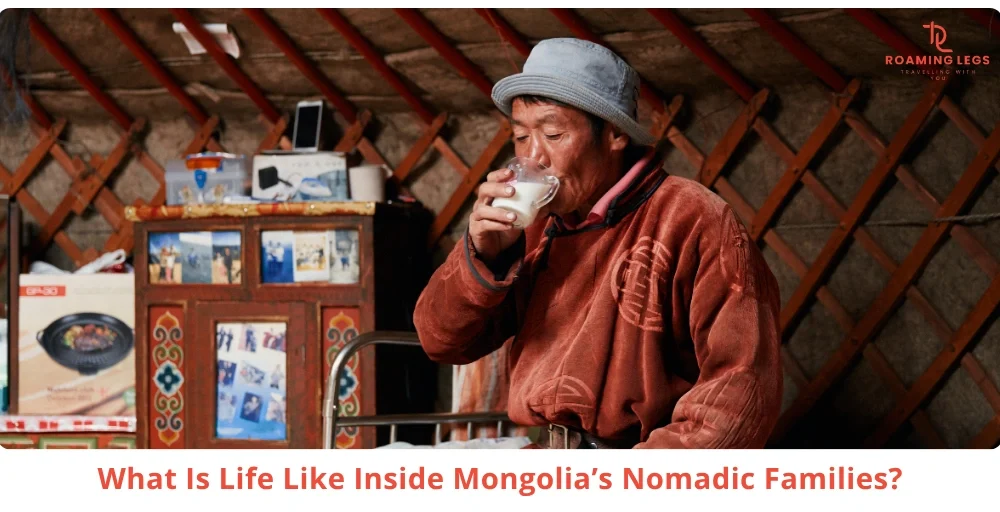
What It’s Really Like Staying With Nomadic Families in Mongolia

Most trips follow the same routine. Airport pickup. Hotel check-in. Tourist attractions. Photos. Shopping. Back home.

But some travel experiences stay with people for years.

Not because of luxury hotels or expensive activities — but because of the people they met, the conversations they still remember, and the feeling of stepping into someone else’s real life for a few days.

That’s exactly what many travelers feel during their first experience of staying with nomadic families in Mongolia.

Imagine endless grasslands, horses running freely in the distance, circular white ger homes standing quietly under huge blue skies, and local families welcoming strangers with warm tea like old friends.

This is what makes nomadic life Mongolia experiences feel so different from regular tourism.

There are no crowded sightseeing spots every few hours. No rushed schedules. No constant city noise.

Instead, travelers experience:

  • Open landscapes
  • Slower living
  • Real family interactions
  • Traditional ger homes
  • Quiet evenings under the sky

For travelers searching for meaningful Mongolia culture travel experiences, this type of journey feels deeply personal.

And honestly, staying with a nomadic family in Mongolia feels less like tourism and more like entering another rhythm of life.

Why Travelers Are Searching for More Authentic Experiences Today

A lot of travelers are getting tired of repetitive tourism.

The same hotel breakfasts.
The same crowded attractions.

The same rushed itineraries where people spend more time recording videos than actually enjoying the place.

That’s why interest in authentic travel experiences and experiential tourism is growing quickly.

People now want:

  • Human connection
  • Cultural interaction
  • Meaningful conversations
  • Slower travel
  • Real memories instead of rushed sightseeing

And this is where cultural travel experiences stand out from regular vacations.

Instead of only seeing a destination, travelers actually feel connected to it.

Why Cultural Travel Often Feels More Memorable Than Luxury Travel

Luxury travel can feel comfortable. But meaningful travel usually comes from unexpected moments.

Like:

  • Drinking hot tea inside a ger while cold wind blows outside
  • Watching horses move across open grasslands during sunset
  • Sitting near a stove while local families prepare dinner
  • Learning traditions directly from people instead of reading about them online

These moments stay in memory much longer than expensive hotel rooms.

That’s why many travelers today are searching for meaningful travel instead of only luxurious travel.

What Does Nomadic Life in Mongolia Actually Look Like?

For many Indian travelers, Mongolian nomadic culture feels unfamiliar at first.

But once they experience it, the simplicity starts feeling peaceful instead of uncomfortable.

Understanding the Mongolian Ger Lifestyle

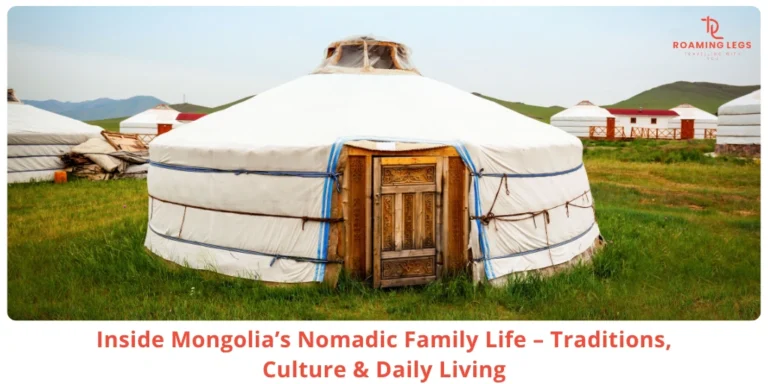
A ger is a traditional circular Mongolian home designed for nomadic living.

These homes are portable because many families move seasonally along with their livestock. From outside, they may look simple. But inside, they feel warm, practical, and surprisingly comfortable.

Most ger homes include:

  • A central heating stove
  • Beds arranged around the walls
  • Traditional decorations
  • Compact family living spaces

The lifestyle revolves around:

  • Family
  • Nature
  • Weather
  • Livestock
  • Community living

This is the heart of Mongolian nomadic culture.

A Typical Day Inside a Nomadic Family Environment

Life here starts early.

Travelers may wake up to:

  • Fresh countryside air
  • Horses moving nearby
  • Tea being prepared inside the ger
  • Family members preparing for livestock work

Days usually include:

  • Cooking traditional meals
  • Watching horse riding
  • Learning simple countryside activities
  • Sharing meals together
  • Long evening conversations

And somehow, the silence itself becomes part of the experience.

Why Simplicity Feels So Different Here

Most travelers don’t realize how noisy their daily life is until they experience Mongolia.

Less phone usage.
Less traffic.
Less rushing.

The slower pace creates a natural digital detox feeling.

And that’s exactly why the Mongolia ger experience feels emotionally refreshing for many travelers.

Curious about where to stay, cultural etiquette, or how nomadic experiences work? Talk with a Mongolia travel specialist before planning your trip.

What It Feels Like Staying With a Mongolian Nomadic Family

What It Feels Like Staying With a Mongolian Nomadic Family

This is usually the part travelers remember for years.

Arriving at the Ger Camp for the First Time

The drive itself feels unreal.

Open grasslands stretch endlessly. Roads slowly disappear. Sometimes travelers won’t see buildings for hours.

Then suddenly, in the distance:

  • White ger homes
  • Smoke rising into the sky
  • Horses grazing quietly nearby

And despite being far from cities, the place feels peaceful instead of isolated.

Families often welcome guests with tea, snacks, and warm smiles before formal conversations even begin.

The Small Moments Travelers Usually Remember Most

Interestingly, it’s rarely the “main activity” people remember most.

Usually it’s:

  • Sitting around the stove at night
  • Drinking traditional salty milk tea
  • Watching sunsets outside the ger
  • Learning small local customs
  • Sharing meals together

These moments create the real Mongolia cultural experience travelers talk about after returning home.

Why Many Travelers Leave Feeling Emotionally Connected

One surprising thing about staying with nomadic families in Mongolia is how quickly emotional connection happens — even without fluent communication.

Kindness becomes easy to understand without words.

The hospitality feels genuine because families are sharing their actual lifestyle, not performing for tourists.

And maybe that’s why many travelers leave Mongolia feeling emotionally full in a way regular vacations rarely create.

Common Comfort Concerns Travelers Have Before Staying With Nomadic Families

Before booking, many travelers wonder if they’ll actually feel comfortable during the experience.

The good news? Most stays are easier than people expect.

Are Ger Camps Comfortable for First-Time Travelers?

Yes — especially modern or premium ger camps.

Most setups include:

  • Comfortable bedding
  • Heating arrangements
  • Basic furniture
  • Clean sleeping spaces

Some stays are shared, while others offer completely private experiences depending on budget.

What About Bathrooms and Showers?

This depends on the type of stay.

Basic countryside experiences may have:

  • Shared washrooms
  • Limited shower access
  • Simpler facilities

Premium camps usually offer:

  • Better bathrooms
  • Hot showers
  • More privacy
  • Cleaner infrastructure

Understanding that this is part of eco and Mongolia cultural tourism helps travelers set realistic expectations.

Is Language a Big Barrier?

Not really.

Many guided trips include local translators or guides.

And honestly, smiles, gestures, and shared meals often communicate more than language itself.

What Should You Pack for This Experience?

A few essentials make the trip smoother:

  • Warm layers
  • Comfortable clothing
  • Power banks
  • Walking shoes
  • Moisturizer
  • Personal medicines

Weather in Mongolia can change quickly, even during summer.

Why This Experience Feels Different From Regular Tourism

You Stop Feeling Like a Tourist

Instead of rushing from one attraction to another, travelers slowly start observing real life.

And that’s the beauty of experiential travel Mongolia experiences.

Travel feels personal instead of performative.

The Experience Changes How Travelers See Simplicity

After spending a few days in the countryside, many travelers realize how little they actually need to feel peaceful.

Nature replaces screens.
Conversations replace schedules.
Silence replaces noise.

Why Travelers Often Remember This More Than Famous Attractions

Years later, travelers may forget attraction names or ticket prices.

But they remember:

  • The warmth inside the ger
  • The local family who hosted them
  • The quiet grasslands
  • The feeling of slowing down

That’s what creates true cultural immersion Mongolia memories.

Not sure what to expect inside a Mongolian ger stay? Download a practical cultural travel guide before planning your trip.

Feels Like Staying With a Mongolian Nomadic Family

Best Time to Experience Nomadic Life in Mongolia

Why Summer Is the Most Comfortable Season

Summer is usually the easiest season for first-time travelers.

During this time, travelers experience:

  • Green landscapes
  • Comfortable temperatures
  • Easier countryside access
  • Longer daylight hours

This is also when many cultural activities take place.

Cultural Experiences Travelers Can Enjoy During Summer

Summer often includes:

  • Horse riding
  • Campfire evenings
  • Traditional performances
  • Countryside meals
  • Local festivals

That’s why many travelers consider it the best time for Mongolia cultural travel.

Who Usually Enjoys This Type of Mongolia Experience Most

This type of experience is especially loved by:

  • Cultural travelers
  • Couples
  • Photographers
  • Slow travelers
  • Burnout professionals
  • Travelers tired of commercial tourism

Guided cultural trips usually improve the overall experience, especially in remote countryside regions where local support becomes important.

And honestly, choosing the right ger experience can completely shape how memorable the journey feels.

Want a deeper understanding of Mongolia’s traditions and travel culture? Download a cultural travel ebook before your trip.

Sometimes the Most Memorable Trips Are the Quietest Ones

Not every unforgettable trip needs giant attractions or packed itineraries.

Sometimes the strongest memories come from:

  • Quiet evenings
  • Shared meals
  • Human connection
  • Simple conversations
  • Feeling welcomed somewhere completely unfamiliar

That’s what makes Mongolia travel experiences feel different.

They slow people down.

They remind travelers that meaningful travel is often about people, not just famous places.

And years later, travelers may forget itineraries — but they rarely forget how a destination made them feel.

FAQs About Staying With Nomadic Families in Mongolia

Is it safe to stay with nomadic families in Mongolia?

Yes, especially with trusted guided cultural tours and verified local operators. Mongolian hospitality culture is generally very welcoming toward travelers.

Do nomadic families in Mongolia speak English?

Some families may know basic English, but guides often help with communication. Even without fluent language, travelers usually connect through gestures, food, and shared experiences.

Can vegetarians enjoy nomadic experiences in Mongolia?

Yes, but travelers should inform their tour provider in advance. Carrying personal snacks can also help during countryside stays.

Are ger camps suitable for couples and families?

Absolutely. Many camps offer private ger stays suitable for couples, families, and even small groups.

How many days should travelers spend in a nomadic experience?

Most travelers enjoy 2–4 days for a balanced experience. It gives enough time to enjoy countryside life without feeling rushed.

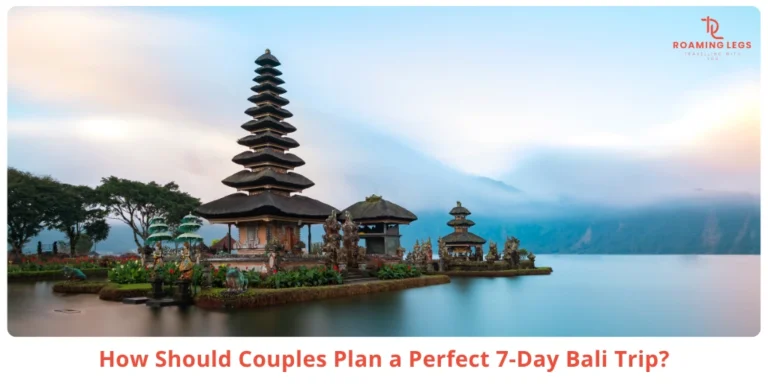
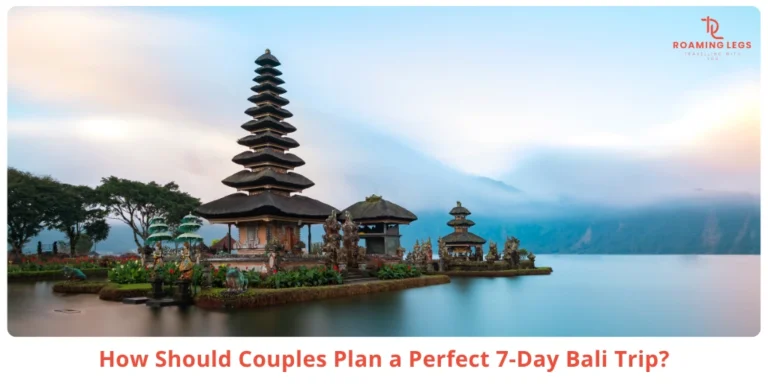
7-Day Bali Itinerary for Couples (Romantic & Relaxed Plan)

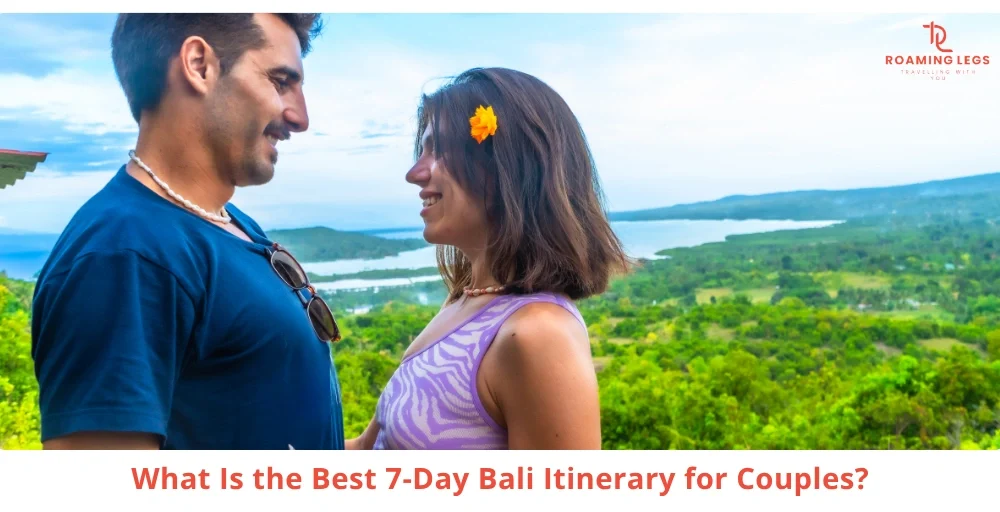
The Only 7-Day Bali Itinerary for Couples You Need — With Real Places, Real Costs, and Zero Rushing

So you’ve decided on Bali. 

Now the real question is — what does your 7 days actually look like, and how do you plan it so it doesn’t feel like a race between places?

Most 7-day Bali itineraries online list every popular spot in one long schedule and call it done. 

That’s exactly why couples come back saying the trip was good but exhausting. 

The villa barely got used. 

Meals were rushed. 

There was no time to actually sit somewhere and enjoy it.

This itinerary is built differently. 

It gives you real specifics — exact places, opening times, costs in INR, hotel names — so you’re not figuring things out on the fly. 

And it’s paced for couples, not solo backpackers trying to tick every box.

Your 7-Day Bali Plan at a Glance

Day Location What You're Doing
Day 1 Ubud Arrive, check in, rest
Day 2 Ubud Rice terraces, temples, Campuhan walk
Day 3 Ubud Waterfalls, coffee plantation, couples spa
Day 4 Seminyak Transfer, beach club, sunset check-in evening
Day 5 Nusa Penida Full day island trip from Sanur
Day 6 Uluwatu / Jimbaran Cliff temple, Kecak dance, seafood dinner
Day 7 Seminyak → Departure Morning free, airport transfer

Stay split: 3 nights Ubud + 3 nights Seminyak/beach area  |  Best months: April–June, September–October  |  Total couple budget: ₹1.2L–₹2.8L including flights

Day 1 — Ubud

What You're Doing
Arrive, check in, rest

Day 2 — Ubud

What You're Doing
Rice terraces, temples, Campuhan walk

Day 3 — Ubud

What You're Doing
Waterfalls, coffee plantation, couples spa

Day 4 — Seminyak

What You're Doing
Transfer, beach club, sunset check-in evening

Day 5 — Nusa Penida

What You're Doing
Full day island trip from Sanur

Day 6 — Uluwatu / Jimbaran

What You're Doing
Cliff temple, Kecak dance, seafood dinner

Day 7 — Seminyak → Departure

What You're Doing
Morning free, airport transfer

Stay split: 3 nights Ubud + 3 nights Seminyak/beach area  |  Best months: April–June, September–October  |  Total couple budget: ₹1.2L–₹2.8L including flights

Day 1 — Land, Transfer to Ubud, Do Absolutely Nothing

Flights from India to Bali (Ngurah Rai International Airport) land at odd hours — most have a stop in Singapore, Kuala Lumpur, or Bangkok. 

IndiGo, Air Asia, and Vistara are the common options. 

By the time you’re through immigration and on a car to Ubud, it’s usually afternoon or later.

Day 1 has one job: get you to your villa without adding travel stress on top of flight fatigue.

The drive from Bali airport to Ubud is around 1.5–2 hours depending on traffic. 

Book a private transfer in advance — ₹1,500–₹2,000 per car, much better than negotiating at the airport. 

Pre-book through your hotel or use a trusted local service like Bali Cabs or Go-Car (Grab’s Indonesian equivalent).

Check in, get in the pool, order room service. 

That’s Day 1. 

Couples who rush straight to a sunset spot on Day 1 always regret it by Day 3 when the fatigue compounds.

For Ubud stays: Komaneka at Bisma (₹18,000–₹22,000/night) has stunning river valley views and is consistently one of the best mid-luxury options. 

If you’re on a tighter budget, Bisma Eight or Alaya Resort Ubud both deliver private pool rooms from ₹8,000–₹12,000/night with good service.

📲 Want Us to Build This Exact Itinerary for Your Travel Dates?

Every couple travels differently — some want to go slow, some want more activities, some have specific dates that affect hotel pricing and flight options. We have built custom Bali plans for 500+ couples from Delhi, Mumbai, Bangalore, and Chennai. Tell us your dates, budget, and travel style and we will send you a complete day-by-day plan within 24 hours — flight suggestions, hotel picks, and all.

Built for Your Dates Flight Suggestions Hotel Picks Included 500+ Couples Planned Ready in 24 Hours
7 Day couple plan to bali

Day 2 — Ubud’s Best Sights (In the Right Order)

Start before 7 AM. 

This isn’t optional — Ubud’s most popular spots turn from quiet and beautiful to crowded and loud very quickly after 9 AM.

Campuhan Ridge Walk first. 

It’s a 9 km trail that starts right in Ubud town, no entry fee, no crowds at 6:30–7 AM. 

Rolling green hills, a cool breeze, and nobody else around. After 8 AM, tour groups arrive. Go early.

After the walk, breakfast at Seniman Coffee on Jalan Sriwedari — best filter coffee in Ubud, great eggs, ₹600–₹900 for two. 

Unhurried.

Mid-morning: Tegallalang Rice Terraces. 

Go between 7:30–8:30 AM. 

Entry is ₹150–₹200 per person. 

The terraces themselves are stunning — don’t listen to anyone who says they’re overrated. 

They’re overrated only when you go at 10 AM and can’t find a spot to stand. 

Go early and it’s genuinely one of the most beautiful things you’ll see in Bali.

Afternoon: Pura Tirta Empul (the holy spring temple) — entry ₹250/person. 

This is a working Hindu temple where Balinese people come to purify themselves. 

Respectful visit, sarong provided at entrance. 

It’s genuine and quite moving to see.

Evening: Dinner at Locavore on Jalan Dewisita — book a table 2–3 days in advance. 

One of Bali’s best farm-to-table restaurants. 

5-course menu runs ₹5,000–₹7,000 per person but it’s a proper romantic dinner experience. 

Alternatively, Warung Babi Guling Ibu Oka near the Ubud Palace is the legendary local roast pork spot — lunch only, ₹300–₹500 per person, and it’s the real Ubud experience.

Day 3 — Waterfalls, Coffee, and a Real Couples Spa

This is a lighter day on purpose. 

After Day 2’s early start, your body needs a slower pace.

Tegenungan Waterfall — 20 minutes from Ubud town. 

Entry ₹300/person. 

Go before 8 AM and you’ll have it almost to yourself. 

There are steps down to the base where you can swim in the pool below the falls. 

By 10 AM, it gets busy and the steps become a queue. 

Morning visit changes the whole experience.

Tibumana Waterfall — smaller, less visited than Tegenungan, entry ₹250/person. 

45 minutes from Ubud. 

If you’re the kind of couple that prefers the quieter version of everything, skip Tegenungan and go here instead.

Late morning: Kopi Luwak coffee plantation near Tegallalang — entry free, tasting set ₹500–₹700 for 14 varieties including kopi luwak (the famous civet coffee). 

Worth doing for an hour. 

The plantation guides are knowledgeable and not pushy.

Afternoon: The most important part of Day 3 — couples spa. 

Ubud has the best spa culture in all of Bali. 

Karsa Spa on Jalan Raya Sanggingan has been consistently excellent for years — a 90-minute couple Balinese massage runs ₹3,500–₹4,500. Open-air treatment pavilions in a forest setting. 

Book ahead. 

Mandapa Spa inside the Ritz-Carlton Reserve is the splurge option if you want something genuinely five-star (₹8,000–₹12,000 for a couple session, but the setting is unreal).

Evening: Low-key dinner near your villa. 

Naughty Nuri’s Warung for ribs and cocktails is a classic. 

Or just order in — use the evening to sit by your private pool with a Bintang beer and do nothing. 

That’s also Ubud.

Day 4 — Transfer to Seminyak + First Beach Evening

Check out late morning. 

The drive from Ubud to Seminyak is around 1.5 hours without traffic — plan to leave by 11 AM and you’ll arrive in time to check in, get settled, and have the afternoon free.

For Seminyak stays: The Layar has stunning standalone private pool villas from ₹20,000–₹28,000/night. 

Katamama is boutique and beautiful at ₹15,000–₹20,000/night.

If budget matters, Batu Belig Beach Hotel does clean private pool options from ₹8,000/night right near the beach strip.

Afternoon: Potato Head Beach Club on Petitenget Beach is worth doing on your first Seminyak afternoon. 

Day access runs ₹1,500–₹2,000/person with credit toward food and drinks. 

Infinity pool, ocean view, good cocktails. 

Don’t go on a Sunday — it gets crowded. 

Weekday afternoons are the sweet spot.

Sunset: Walk north along Seminyak Beach toward Ku De Ta (now Akademi). 

Table for two, watch the sun drop into the Indian Ocean. Cocktails around ₹800–₹1,200 each. 

This is one of those simple evenings that becomes a highlight.

Dinner: Da Maria on Jalan Petitenget — Italian, consistently excellent, wood-fired pizzas and handmade pasta. 

Dinner for two with wine runs ₹4,000–₹6,000. 

Book ahead, especially on weekends.

📲 Not Sure Which Hotels to Book for Your Dates and Budget?

Hotel pricing in Bali shifts a lot by season, how far ahead you book, and which area you choose. We have stayed in or visited most of the properties in this guide. Tell us your budget and dates on WhatsApp and we will give you honest recommendations — not just the ones with the best commission.

Honest Picks Only Season-Aware Pricing Right Area for You Budget-Matched Hotels
Bali tour for couples of 7 days

Day 5 — Nusa Penida: The Day Trip Everyone Remembers

This is the most physically demanding day of the trip. 

Go in knowing that — and it’s incredible. 

Go thinking it’ll be an easy beach day — and you’ll be annoyed.

Leave your Seminyak hotel by 6 AM. 

Drive to Sanur (45–60 minutes). 

Catch the 7 AM speedboat from Sanur Harbour — the crossing to Nusa Penida takes 35–45 minutes. 

Round-trip boat: ₹1,200–₹2,000 per person. 

Book online through Rocky Fast Cruise or Maruti Express the day before — don’t rely on buying at the harbour on Day 5 morning during peak season.

On Nusa Penida, hire a driver for the full day — ₹2,500–₹3,500 per vehicle covers all the west coast spots. 

Do NOT rent a scooter here unless you’re experienced — the roads are narrow, steep, and can be rough.

West Circuit (most popular):

Kelingking Beach — the T-Rex cliff. 

The viewpoint itself is free. 

The trek down to the actual beach takes 45–60 minutes and is genuinely steep and slippery in spots. 

Go down only if both of you are comfortable. 

The view from the top is already extraordinary. 

Go at 8 AM — by 10 AM there’s a queue for the lookout.

Angel’s Billabong — a natural infinity pool carved into volcanic rock right at the ocean’s edge. 

Entry ₹100/person. 

Go at low tide (ask your driver — they’ll know). 

Stunning for photos.

Broken Beach — a natural circular cove with a rock arch. 

5 minutes from Angel’s Billabong. 

No swimming here (strong currents) but the view is wild. 

Free entry.

Crystal Bay — the one beach on Nusa Penida where you can actually swim. 

Good snorkelling if you bring gear. 

Entry free. 

By the time you reach here, you’ll be ready to sit and do nothing for an hour.

Back on the boat by 4 PM, back to Seminyak by 6:30 PM. 

Dinner near the hotel — something simple. 

You’ll be tired and happy.

Day 6 — Uluwatu Temple + Kecak Dance + Jimbaran Dinner

This is the most cinematically romantic day of the trip.

Drive to Uluwatu takes about 45 minutes from Seminyak. 

Leave by 4 PM.

Pura Luhur Uluwatu — Bali’s most dramatically situated temple, sitting 70 metres above the Indian Ocean on a sheer cliff. 

Entry ₹250/person, sarong required (provided). 

Walk the cliffside path and watch the ocean from the top. 

The light at 5–6 PM is golden and extraordinary.

At 6 PM, Kecak Fire Dance — performed on an outdoor cliff-platform at the temple. 

Entry ₹200–₹300 per person.

This is a traditional Balinese performance that uses human voices (no instruments) to tell the story of the Ramayana while fire burns in the centre. 

It’s 45 minutes long. 

Watching it with the ocean behind the stage at sunset is one of those things that’s genuinely hard to explain to people who haven’t seen it.

After the dance, drive 20 minutes to Jimbaran Bay for dinner. 

The stretch of restaurants on the beach — Menega Café and Lia Café are the most reliable — set tables directly on the sand. 

Grilled seafood platter for two with drinks: ₹3,000–₹5,000. 

Arrive by 7 PM to get a good table. 

The combination of fresh grilled fish, candles on the sand, and the sound of the bay is exactly what it sounds like in photos — except better in person.

This is the dinner most couples say they talked about for months.

Day 7 — Slow Morning, Departure

Don’t schedule anything for Day 7.

Last swim in your villa pool. Proper breakfast. 

Slow packing. 

One last coconut somewhere near the beach.

Airport transfer from Seminyak takes 45–60 minutes without traffic. 

Bali traffic can be unpredictable — budget 90 minutes if your flight is in the evening. 

For late-night flights, leave by 8 PM to be safe.

One thing worth doing before you leave: one more Bali massage. 

Body Works in Seminyak is open all day, walk-in, 60-minute full body massage for ₹1,200–₹1,500. 

No need to book. 

The perfect thing to do after checkout if you have a few hours before the airport.

What Does This 7-Day Trip Cost? (Real INR Numbers)

Budget Style Per Couple, 7 Nights (Flights + Stay + Activities) What You're Getting
Budget ₹1.0L – ₹1.3L Budget airlines (IndiGo/AirAsia), guesthouses/basic villas (₹3,000–₹5,000/night), local food, group tours
Mid-Range ₹1.5L – ₹2.0L Connecting flights, private pool villas (₹8,000–₹15,000/night), mix of restaurants, private Nusa Penida tour
Luxury ₹2.5L – ₹3.5L Premium flights or direct (if available), villas at ₹18,000–₹28,000/night, private driver, fine dining, spa
Flights: IndiGo, Air Asia, Vistara from Delhi, Mumbai, Bangalore, Chennai. One stop (KL, Singapore, or Bangkok). Total flight time 8–10 hours. Return fares ₹22,000–₹45,000/person — book 6–8 weeks ahead for best rates.
Visa: Visa on Arrival at Bali airport for Indian passport holders. Fee ~₹2,800/person. No prior application needed.
Currency: Indonesian Rupiah (IDR). Use Niyo Global or Wise card for good exchange rates. Don't exchange at small roadside kiosks.

Budget

Per Couple, 7 Nights
₹1.0L – ₹1.3L
What You're Getting
Budget airlines (IndiGo/AirAsia), guesthouses/basic villas (₹3,000–₹5,000/night), local food, group tours

Mid-Range

Per Couple, 7 Nights
₹1.5L – ₹2.0L
What You're Getting
Connecting flights, private pool villas (₹8,000–₹15,000/night), mix of restaurants, private Nusa Penida tour

Luxury

Per Couple, 7 Nights
₹2.5L – ₹3.5L
What You're Getting
Premium flights or direct (if available), villas at ₹18,000–₹28,000/night, private driver, fine dining, spa
Flights: IndiGo, Air Asia, Vistara from Delhi, Mumbai, Bangalore, Chennai. One stop (KL, Singapore, or Bangkok). Total flight time 8–10 hours. Return fares ₹22,000–₹45,000/person — book 6–8 weeks ahead for best rates.
Visa: Visa on Arrival at Bali airport for Indian passport holders. Fee ~₹2,800/person. No prior application needed.
Currency: Indonesian Rupiah (IDR). Use Niyo Global or Wise card for good exchange rates. Don't exchange at small roadside kiosks.

What Real Couples Say After This Trip

“We were sceptical about a 7-day plan being enough. 

But honestly — 3 nights in Ubud and then the beach side was perfect. 

We weren’t exhausted at any point. 

The Uluwatu evening with the Kecak dance and then dinner at Jimbaran — that was the highlight of our entire honeymoon.

“ — Prerna & Rohit, Mumbai, February 2026

“We went as a non-honeymoon couple (5th anniversary) and Bali was the right call. 

Roaming Legs planned everything — hotel recommendations, the Nusa Penida day trip, the Locavore dinner booking. 

We just had to show up. 

Nothing felt rushed.

“ — Kavya & Siddharth, Bangalore, April 2026

7 Days in Bali for Couples FAQs

7 Days in Bali for Couples — Frequently Asked Questions

Everything Indian couples ask before planning a 7-day Bali trip — itinerary, costs, hotels, experiences, and what to book in advance.

1. Is 7 days enough for Bali as a couple?

7 days is the sweet spot — long enough to cover Ubud, a beach area, and a Nusa Penida day trip without feeling rushed. Less than 5 nights and you're mostly in transit. More than 10 nights and most couples say they started running out of things to do. For a first-time Bali couple trip, 7 nights gives you the right balance of experience and relaxation.

2. What is the best itinerary split for 7 days in Bali for couples?

3 nights in Ubud followed by 3 nights in Seminyak (or Uluwatu) works best. You start slow and calm in the jungle, then shift to the beach vibe for the second half. Two hotel changes maximum — any more than that and packing fatigue becomes real by Day 4.

3. Should couples start in Ubud or Seminyak?

Start in Ubud. After a long flight from India, Ubud's slower pace and quieter environment is easier to settle into. Seminyak is lively and fun but better when your energy is already up mid-trip. Couples who start in Seminyak often feel the first day was too stimulating right after travel.

4. How much does a 7-day Bali couple trip cost from India in 2026?

A mid-range couple trip — flights, 7 nights in private pool villas, Nusa Penida day trip, daily meals, and a couples spa session — typically runs ₹1.5L–₹2L per couple. Budget trips under ₹1.3L are possible with budget airlines and guesthouses. Luxury trips with premium villas and fine dining can reach ₹3L+.

5. Is Nusa Penida worth it for couples on a 7-day Bali trip?

Yes, if you're both comfortable with a physically active day. Kelingking Beach, Angel's Billabong, and Broken Beach are genuinely unlike anything on mainland Bali. The boat crossing is 35–45 minutes each way and the island roads can be bumpy. If either of you prefers a slow and easy day, skip it — replace with an Uluwatu afternoon or a beach club day.

6. Which are the best hotels for couples in Ubud?

Komaneka at Bisma (₹18,000–₹22,000/night) for mid-luxury with river valley views. Alaya Resort Ubud and Bisma Eight for ₹8,000–₹12,000/night. Four Seasons Resort at Sayan for a genuine splurge at ₹35,000+/night. All have private pool options and are within easy reach of Ubud's main sights.

7. Which area is better for couples — Seminyak or Uluwatu?

Seminyak for a more active, cafe-and-beach-club experience. Uluwatu for dramatic ocean views, cliffside sunsets, and a quieter, more exclusive vibe. Many couples do 2 nights in Seminyak and 1 night in Uluwatu — this works well for a 7-day trip if you want both. The Kecak Dance and Jimbaran dinner are both easy from Uluwatu.

8. What is the best romantic dinner experience in Bali for couples?

Jimbaran Bay seafood dinner — tables on the sand at Menega Café or Lia Café, grilled fish and prawns by candlelight with the ocean in front of you. ₹3,000–₹5,000 for two. This is the dinner couples talk about for months. The Uluwatu Kecak Dance just before makes it the most complete romantic evening in Bali.

9. How do we get from Seminyak to Nusa Penida?

Drive from Seminyak to Sanur (45–60 minutes), then take a fast boat from Sanur Harbour. Rocky Fast Cruise and Maruti Express are reliable operators. Round-trip boat: ₹1,200–₹2,000/person. Boats leave from 7 AM. Book online the day before in peak season (July–August). On Nusa Penida, hire a local driver for the day — ₹2,500–₹3,500/vehicle for the west coast circuit.

10. What is the Kecak Fire Dance and is it worth watching?

The Kecak Dance is a traditional Balinese performance at Pura Luhur Uluwatu — 45 minutes long, performed on a cliff-platform overlooking the ocean at sunset. Entry ₹200–₹300/person. No musical instruments — the sound is all human voices in a chanting chorus. It tells the story of the Ramayana through movement and fire. Watching it at sunset with the Indian Ocean behind the stage is one of those genuinely memorable couple experiences. Absolutely worth it.

11. What should couples do on a leisure day in Bali?

A proper leisure day in Seminyak: morning at Potato Head Beach Club (day pass ₹1,500–₹2,000/person with food/drink credit), late lunch at a local warung, couples massage at Body Works or Prana Spa in the afternoon (₹2,000–₹4,000 for 90 minutes), sunset walk on Seminyak Beach, dinner at Sarong or Da Maria. No transfers, no rushing. Some of the best couples days in Bali are the ones with nothing booked.

12. Do Indian couples need a visa for Bali?

Indian passport holders get a Visa on Arrival (VoA) at Ngurah Rai International Airport. Fee: approximately ₹2,800/person. Valid for 30 days, extendable once for another 30 days. No advance application needed — you pay at the airport, get stamped, done. Easy process, usually 20–30 minutes at the VoA counter.

13. What is the best time of year to visit Bali for couples from India?

April, May, June, and September–October are the best months. You get dry weather, manageable crowds, and reasonable hotel rates. July and August are peak season — weather is good but everything costs more and beaches get crowded. Avoid January and February if you want reliable sunshine — it's the wet season. December is expensive due to Christmas.

14. How far is Ubud from Seminyak and how should couples travel between them?

Ubud to Seminyak is around 45–60 km — about 1.5 hours by car without traffic, 2+ hours with typical Bali midday traffic. Book a private driver for the transfer (₹1,500–₹2,000 per car one-way). Don't try to do this by scooter or app taxi with luggage — it's not practical. Your Ubud hotel can usually arrange the transfer to your Seminyak property.

15. What should couples book in advance for a 7-day Bali trip?

Book in advance: flights (6–8 weeks ahead for best fares), hotel stays (especially Ubud villas which sell out quickly in April–October), Nusa Penida fast boat (at least 1–2 days ahead in peak season), Locavore restaurant in Ubud (2–3 days ahead), and any private spa sessions. Everything else — Jimbaran beach dinner, Kecak Dance tickets, beach club day passes — can be arranged once you're there.

Naadam festivel in mongolia

Naadam Festival Mongolia: Traditions, Events & Travel Experience

Imagine huge open grasslands filled with cheering crowds.

Horses racing across the countryside.

Wrestlers walking proudly in traditional outfits.

Archers carrying centuries-old traditions that still feel alive today.

This is the Naadam Festival in Mongolia.

And honestly, it feels very different from the kind of festivals most travelers are used to.

Naadam is Mongolia’s biggest cultural celebration.

It happens every July and brings together sports, heritage, local traditions, music, food, and community celebrations across the country.

Unlike heavily commercial festivals, Naadam Festival Mongolia still feels deeply connected to local identity.

People don’t attend just for entertainment.

They participate because the festival represents history, pride, and nomadic culture.

That’s what makes Mongolia festival travel during Naadam feel so immersive.

Travelers often leave feeling like they experienced Mongolia’s real cultural heartbeat instead of just another tourist event.

What Exactly Is the Naadam Festival?

Naadam is Mongolia’s national festival.

It is celebrated every year during July across cities, towns, and countryside regions.

The festival is famous for its “Three Manly Games”:

These traditional competitions have existed for centuries and remain deeply connected to Mongolia’s nomadic history.

Why Naadam Is So Important in Mongolian Culture

For locals, Naadam is not just a sports festival.

It represents:

  • National identity
  • Cultural pride
  • Historical traditions
  • Community celebration

Families travel long distances to attend.

Children participate in horse racing.

Entire communities gather together during the celebrations.

That emotional connection is what makes the Mongolia Naadam Festival feel authentic instead of performative.

The Festival Combines Sport, Culture, and Celebration Together

Naadam is much more than competitions.

Travelers also experience:

  • Traditional clothing
  • Folk music
  • Local food
  • Cultural performances
  • Community gatherings

The entire atmosphere feels energetic while still staying culturally rooted.

That balance makes it one of the most interesting Mongolia cultural festivals for international travelers.

Planning to experience Mongolia during festival season? Talk with a Mongolia travel expert before organizing your Naadam journey.

Naadam festivel mongolia

The Three Traditional Games That Define Naadam

These three sports are the soul of the festival.

Mongolian Wrestling Is the Festival’s Most Famous Event

Wrestling usually attracts the biggest crowds.

The atmosphere feels intense and emotional.

Wrestlers wear traditional outfits and enter with ceremonial movements that reflect strength and pride.

Even travelers who don’t normally follow sports become deeply interested because the event feels so cultural.

That’s why Naadam wrestling becomes one of the biggest highlights for visitors.

Horse Racing Feels Completely Different From Modern Racing Events

This is not stadium horse racing.

Naadam horse races happen across huge countryside landscapes.

Young riders race long distances through open grasslands while crowds gather along the routes.

The scenery itself becomes part of the experience.

That connection between horses and nomadic culture makes Naadam horse racing feel unique compared to modern racing events.

Archery Connects the Festival to Mongolia’s Historical Identity

Archery has deep historical importance in Mongolia.

During the festival, travelers see:

  • Traditional techniques
  • Historical clothing
  • Community participation
  • Cultural pride

Even smaller archery events feel meaningful because locals genuinely care about preserving these traditions.

What It Actually Feels Like Attending the Naadam Festival

This is usually the part travelers remember most.

The Atmosphere Feels Energetic but Deeply Cultural

The festival feels alive from every direction.

Travelers experience:

  • Crowds wearing colorful traditional outfits
  • Open-air celebrations
  • Music performances
  • Food stalls
  • Excited local families

Despite the crowds, the atmosphere rarely feels chaotic.

It feels communal.

That’s what creates the emotional energy behind the Naadam Festival experience.

Travelers Often Feel More Emotionally Connected Than Expected

Many travelers arrive expecting “just a festival.”

But the emotional connection often surprises them.

Because Naadam feels personal to local people.

Travelers hear stories, observe traditions, and experience real cultural participation instead of staged tourism.

That’s why Mongolia cultural travel during Naadam feels much deeper than regular sightseeing.

Countryside Naadam Celebrations Feel Different From City Events

Smaller countryside Naadam celebrations often feel:

  • Less commercial
  • More intimate
  • More connected to nomadic culture

Many travelers actually prefer local countryside festivals over larger city stadium events because the atmosphere feels more authentic.

Naadam vs Pushkar Fair: How Are They Different?

Indian travelers often compare Naadam with Pushkar Fair.

But the experiences feel quite different.

Pushkar Fair Feels Larger and More Commercially Touristic

Pushkar Fair is known for:

  • Camel trading
  • Tourist markets
  • Shopping atmosphere
  • Massive crowds

It feels colorful, busy, and commercially active.

Naadam Feels More Focused on National Identity and Sports Traditions

Naadam focuses more on:

  • Traditional sports
  • Cultural pride
  • Nomadic heritage
  • Local participation

The festival feels emotionally tied to Mongolia’s identity.

That’s the biggest difference in the Naadam vs Pushkar Fair comparison.

Which Festival Fits Different Travelers Better

Pushkar usually suits:

  • Market lovers
  • Festival photographers
  • Travelers enjoying busy atmospheres

Naadam often suits:

  • Cultural travelers
  • Slow travelers
  • History lovers
  • Travelers seeking immersive local experiences

Worried about festival crowds, bookings, or travel planning? Download a practical Naadam Festival travel guide before your trip.a

Attending Naadam festivel in mongolia

Common Logistics Concerns Travelers Have About Naadam

July Is Peak Season, So Planning Early Matters

July is one of Mongolia’s busiest travel months.

This means:

  • Hotels fill quickly
  • Ger camps get booked early
  • Transport demand increases
  • Prices rise during peak dates

That’s why early planning matters during Mongolia July travel.

Festival Logistics Feel Easier With Organized Planning

Naadam becomes smoother with:

  • Guided itineraries
  • Local transport support
  • Proper timing coordination
  • Countryside access planning

Because festival schedules and travel distances can become confusing for first-time visitors.

What Travelers Should Prepare for During the Festival

Travelers should prepare for:

  • Long walking distances
  • Changing weather
  • Crowds
  • Outdoor conditions

Comfortable shoes and layered clothing help significantly during the festival.

Why July Is One of the Most Exciting Times to Visit Mongolia

Summer Landscapes Make Festival Travel Feel Cinematic

During July, Mongolia feels visually stunning.

Travelers experience:

  • Green grasslands
  • Huge blue skies
  • Outdoor celebrations
  • Strong horse culture atmosphere

That’s why many people consider it the best time for Naadam travel.

Mongolia Feels More Alive During Festival Season

The country feels more energetic during Naadam.

Traditional clothing appears everywhere.

Communities gather outdoors.

Cultural pride becomes visible throughout the country.

Travelers Usually Combine Naadam With Countryside Experiences

Many travelers combine the festival with:

  • Ger camp stays
  • Gobi Desert trips
  • Horse riding
  • Cultural countryside experiences

That combination creates a much richer Mongolia summer festivals experience.

Who Usually Enjoys the Naadam Festival Most

Naadam is especially loved by:

  • Cultural travelers
  • Photographers
  • Festival travelers
  • History lovers
  • Adventure travelers

But one important thing travelers underestimate is availability.

Accommodation becomes limited quickly during festival season.

And guided festival routes usually improve comfort and overall experience significantly.

Want a complete Naadam Festival itinerary with cultural experiences and travel planning tips? Download the free festival travel planner.

July is the one of the most exicting time visit to mongolia

Naadam Feels Less Like a Festival and More Like Mongolia’s Identity in Motion

What makes Naadam special is that the traditions still feel alive.

People are not performing culture for tourists.

They are celebrating something deeply connected to their identity.

The combination of:

  • Sports
  • Landscapes
  • Community energy
  • Nomadic traditions

creates something emotionally immersive for travelers.

During Naadam, travelers do not just watch Mongolian culture — they feel surrounded by it from every direction.

FAQs About the Naadam Festival

What is the Naadam Festival in Mongolia?

Naadam is Mongolia’s national festival celebrated every July with wrestling, horse racing, archery, and cultural celebrations.

When is the Naadam Festival held?

The festival takes place every year during July, which is also one of Mongolia’s most popular summer travel seasons.

What are the three games in Naadam?

The three traditional games are wrestling, horse racing, and archery.

Is Naadam Festival worth visiting for travelers?

Yes.
It offers strong cultural immersion, photography opportunities, traditional experiences, and one of Asia’s most unique festival atmospheres.

How early should travelers plan Naadam trips?

Travelers should ideally plan several months early because accommodation and transport availability become limited during festival season.

Why Crowded Tourist Destinations Can Feel Exhausting

A Beginner’s Guide to Planning Your First Mongolia Trip From India

Let’s be honest. Your first international trip from India feels exciting… but also slightly scary.

You keep thinking:

  • What if my visa gets rejected?
  • What if I get confused at immigration?
  • What if I spend too much money?
  • What if I can’t communicate properly?
  • What if I make mistakes abroad?

Almost every beginner international travel experience starts with these thoughts.

And honestly, social media makes it worse sometimes.

Travel reels make international travel look super smooth. But when you actually start researching flights, visas, hotels, forex, airport rules, and itineraries, things suddenly feel overwhelming.

That’s why many first-time travelers keep postponing their trip again and again.

Why Crowded Tourist Destinations Can Feel Exhausting

Most people automatically think of Thailand, Dubai, or Singapore for easy international trips.

And yes, they’re popular for good reasons.

But crowded tourist destinations can also become tiring very quickly for beginners.

You land there and suddenly:

  • every attraction is packed
  • schedules become rushed
  • tourist scams become stressful
  • you feel pressure to “cover everything”
  • your phone battery dies every few hours because you’re constantly navigating

Instead of feeling relaxed, many travelers return more exhausted than refreshed.

This is where Mongolia quietly feels different.

It gives first-time travelers breathing space.

Not every moment feels rushed.

And for many people dealing with first international travel fear, that slower travel style feels emotionally easier.

What Makes Mongolia Beginner-Friendly for Indian Travelers

At first, Mongolia may sound like a difficult destination.

But once people actually understand the experience, they realize Mongolia for beginners feels much calmer than expected.

Travel Feels Slower and Less Stressful

One of the biggest reasons people enjoy a Mongolia tour from India is the peaceful travel rhythm.

You don’t spend your entire trip standing in crowds.

Instead, you get:

  • open landscapes
  • quiet roads
  • slower itineraries
  • peaceful surroundings
  • mentally relaxing travel days

That change itself feels refreshing for people coming from busy Indian cities.

Many travelers say Mongolia travel guide videos never fully explain how calming the country actually feels in real life.

Mongolia Gives Adventure Without Feeling Extreme

Not everyone wants hardcore trekking or physically exhausting trips.

Mongolia offers soft adventure destinations experiences instead.

You can:

  • stay in traditional ger camps
  • enjoy countryside drives
  • try horse riding casually
  • spend evenings around campfires
  • explore nature comfortably

It feels adventurous without becoming stressful.

That balance works perfectly for beginner travelers who want memorable experiences without feeling pushed too far outside their comfort zone.

Cultural Hospitality Helps New Travelers Feel Comfortable

Another thing many travelers remember is Mongolian hospitality.

Nomadic families are often warm and welcoming toward visitors.

Even simple interactions feel respectful and genuine.

For first-time travelers, emotional comfort matters a lot.

And Mongolia tourism for Indians often feels easier because the social environment feels calm rather than overwhelming.

Confused about visas, budget, or where to start? Get beginner-friendly Mongolia trip guidance from a travel expert.

Mongolia vs Popular Asian Destinations for First-Time Travelers

This isn’t about saying one destination is better than another.

It’s about understanding what kind of travel experience fits your personality.

If You Prefer Fast-Paced Trips and Shopping

If you enjoy:

  • nightlife
  • malls
  • shopping
  • busy attractions
  • packed city experiences

then destinations like Thailand, Dubai, or Singapore may suit you better.

These places move fast.

There’s always something happening.

If You Prefer Calm Nature and Meaningful Travel

Mongolia feels completely different.

It’s better for travelers who enjoy:

That’s why more people now search for offbeat international trips from India instead of only mainstream tourist destinations.

Which Type of Travelers Usually Enjoy Mongolia Most

Mongolia usually connects strongly with:

  • working professionals
  • introverts
  • couples
  • nature-focused travelers
  • people avoiding crowded tourism

Especially people who feel mentally tired from fast city life.

That’s one reason why many travelers now compare Mongolia vs Thailand while searching for unique international destinations.

Is Mongolia Expensive for Indian Travelers?

Compared to luxury-heavy tourist destinations, Mongolia can actually feel quite reasonable if your itinerary is managed properly.

Main Expenses You Should Expect

Your Mongolia trip cost from India mainly depends on:

  • flights
  • visa
  • accommodation
  • local transport
  • guided experiences
  • food

Flights are usually the biggest cost.

Inside Mongolia, spending depends on whether you prefer premium stays or more simple countryside experiences.

Mongolia vs Popular Asian Destinations for First-Time Travelers

Why Mongolia Often Feels More Valuable Than Tourist-Heavy Destinations

Many travelers say Mongolia feels more “real.”

You’re not constantly spending money on shopping malls or commercial tourist attractions.

Instead, your money goes toward:

  • authentic experiences
  • peaceful stays
  • nature-based travel
  • local culture
  • memorable countryside experiences

That changes how people look at travel value.

Budget Expectations for Mid-Range Travelers

A comfortable Mongolia travel budget usually depends on:

  • season
  • route
  • flight timing
  • private vs group experiences

Summer trips are generally more beginner-friendly, but early booking helps reduce overall Mongolia package cost significantly.

Worried about overspending or forgetting important essentials? Download a beginner-friendly Mongolia travel checklist.

Best Time to Visit Mongolia for Beginners

Why Summer Is the Easiest Season for First-Time Travelers

For beginners, Mongolia summer travel is usually the safest and most comfortable option.

Summer gives you:

  • pleasant weather
  • greener landscapes
  • easier road access
  • beginner-friendly travel conditions

That’s why most first-time itineraries focus on summer months.

What Mongolia Looks Like During Summer

Imagine this.

Wide grasslands moving with the wind.

Horses running freely across open land.

Small ger camps under massive blue skies.

Golden sunsets that make you stop using your phone for a few minutes.

That’s the side of Mongolia many travelers remember forever.

Experiences First-Time Travelers Usually Enjoy Most

Some experiences beginners usually enjoy most include:

  • nomadic stays
  • countryside drives
  • horse riding
  • stargazing
  • campfire evenings
  • cultural interactions

And this is exactly why the best time to visit Mongolia matters so much for first-time travelers.

Common Questions Indian Travelers Ask Before Visiting Mongolia

Is Mongolia Safe for First-Time International Travelers?

Yes, many travelers consider Mongolia peaceful and beginner-friendly, especially with guided itineraries and proper support.

Is Vegetarian Food Available in Mongolia?

Vegetarian food in Mongolia is easier to find in cities like Ulaanbaatar. Informing your travel company early also helps a lot.

Is Mongolia Difficult To Explore?

Not really.

Most travelers prefer guided routes because distances are large, but the overall experience feels calm and manageable.

How Easy Is the Mongolia Visa Process for Indians?

The Mongolia visa for Indians process is generally manageable when documents are prepared properly and travel plans are clear.

What a First Mongolia Trip Can Actually Feel Like

Your first Mongolia trip usually begins with nervous excitement at the airport.

Then you land in Ulaanbaatar.

The city already feels different from typical tourist-heavy destinations.

Soon after, the landscapes begin changing.

Buildings slowly disappear.

Open land stretches endlessly around you.

You spend evenings in ger camps. Meet nomadic families. Sit quietly under skies full of stars.

And somewhere during the trip, something changes mentally.

You stop overthinking travel.

You stop worrying about every small mistake.

By the time you return home, you don’t just carry photos.

You carry confidence.

That’s why many travelers describe their first Mongolia travel experience as emotionally memorable.

Who Should Consider Mongolia as Their First International Destination

Mongolia works especially well for:

  • travelers tired of crowded tourism
  • nature lovers
  • professionals needing a mental reset
  • couples wanting peaceful experiences
  • travelers looking for meaningful trips

For beginners, guided planning also reduces stress significantly.

The right itinerary, local support, and beginner-friendly pacing can completely improve the experience.

Not sure how many days to spend or how to structure your route? Download a ready-to-follow Mongolia itinerary for Indian travelers.

Mongolia vs Popular Asian Destinations for First-Time

Maybe Your First International Trip Doesn’t Need To Be Mainstream

Your first international trip doesn’t need to feel rushed, loud, or exhausting.

Sometimes the best travel memories come from slower moments.

A quiet road.

A peaceful sunset.

A random conversation with locals.

A night sky you don’t see in cities anymore.

Mongolia offers something many first-time travelers secretly want:

space to slow down mentally.

And maybe that’s what makes it such a meaningful first step into international travel.

Sometimes the destinations that change how you see travel are the ones you never originally planned to visit first.

FAQs About Mongolia Travel for First-Time Indian Travelers

Do Indian citizens need a visa to visit Mongolia?

Yes, Indian travelers usually need a visa, but requirements can change. Always check updated regulations before booking your Mongolia tour from India.

Is Mongolia a good destination for solo first-time travelers?

Yes, especially for travelers who prefer peaceful environments and guided experiences.

How many days are enough for a first Mongolia trip?

For beginners, 6 to 8 days usually gives a comfortable balance between Ulaanbaatar and countryside experiences.

Can Indian travelers find vegetarian food in Mongolia?

Yes, especially in cities and tourist-friendly stays. Informing your travel operator early makes things smoother.

What kind of clothes should first-time travelers pack for Mongolia?

Layered clothing works best because temperatures can change quickly. Comfortable outdoor clothing, jackets, and walking shoes are highly recommended.

Why Bali Is Perfect for Couples from India

 Why Bali Works So Well for Couples from India — Real Costs, Romantic Spots, and What Nobody Tells You Before You Book

Honestly, Bali gets recommended so much that most couples either overplan it or underthink it.

The real question isn’t should we go to Bali — it’s what does Bali actually give us that other destinations don’t?

Short answer: Bali gives you a private pool villa that doesn’t cost a fortune, enough variety to keep both of you genuinely happy every single day, and an international trip that doesn’t feel overwhelming to plan. 

It’s one of the very few places where a ₹1.5 lakh couple budget actually feels like a luxury holiday — not a compromise.

This guide covers what’s worth your time in Bali, what to skip, what it costs in real INR numbers, and how to plan it so the trip doesn’t feel rushed.

Bali for Couples at a Glance

What You're Looking For Does Bali Deliver?
Private pool villa under ₹8,000/night Yes — easily
Romantic dinners by the ocean Yes — Jimbaran Beach
Lush nature + rice terraces Yes — Ubud
Beach clubs + sunset views Yes — Seminyak, Uluwatu
Easy visa for Indians Yes — Visa on Arrival, ~₹2,800/person
Flight time from India 8–10 hours with one stop
Best months to visit April–June, September–October
Total couple budget (7 nights, flights included) ₹1.2L–₹2.8L depending on style

Private Pool Villa under ₹8,000/night

Does Bali Deliver?
Yes — easily

Romantic Dinners by the Ocean

Does Bali Deliver?
Yes — Jimbaran Beach

Lush Nature + Rice Terraces

Does Bali Deliver?
Yes — Ubud

Beach Clubs + Sunset Views

Does Bali Deliver?
Yes — Seminyak, Uluwatu

Easy Visa for Indians

Does Bali Deliver?
Yes — Visa on Arrival, ~₹2,800/person

Flight Time from India

Does Bali Deliver?
8–10 hours with one stop

Best Months to Visit

Does Bali Deliver?
April–June, September–October

Total Couple Budget (7 Nights, Flights Included)

Does Bali Deliver?
₹1.2L–₹2.8L depending on style

Ubud: For Couples Who Want to Actually Disconnect

Most people picture beaches when they think of Bali. 

But couples who’ve been to Ubud say it’s the part of the trip they talk about the most — even years later.

Ubud is Bali’s inland hill town, surrounded by rice terraces and jungle. 

No beach clubs, no loud bars. 

Just green, quiet, and genuinely beautiful.

Campuhan Ridge Walk is the most underrated thing you can do in Ubud as a couple. 

It’s a 9 km trail through rolling green hills — no entrance fee, no crowds if you go before 7:30 AM. 

After that, tour groups start arriving and the whole mood changes. 

Go early.

Tegallalang Rice Terraces are worth visiting, but go between 7–8 AM. 

By 10 AM, the selfie crowd takes over and you can barely find space to stand. 

Most couples who go at 10 AM say it felt like a mall, not a nature spot. 

Go early and it’s genuinely stunning.

For stays in Ubud, Komaneka at Bisma is a good mid-luxury option — rooms start around ₹18,000–₹22,000/night and the views over the Wos River valley are the kind you’d pay twice as much for elsewhere. 

If you’re watching budget, Bisma Eight has good views and costs around ₹9,000–₹12,000/night. 

Both include breakfast.

One thing most guides miss about Ubud — the Mandapa, a Ritz-Carlton Reserve has a day pass option if you want to experience a five-star river pool without staying there. 

Worth asking about when you arrive.

📲 Get a Free 7-Day Bali Couple Itinerary on WhatsApp

We have planned Bali trips for hundreds of couples from Delhi, Mumbai, Bangalore, and Chennai. Tell us your travel dates, budget, and whether you prefer relaxation or activities — and we will send you a ready-made day-by-day plan within 24 hours.

Day-by-Day Plan Budget-Matched Relaxation or Activities Ready in 24 Hours
Is bali perfect for couples

Seminyak and Uluwatu: Where the Evenings Actually Feel Romantic

If Ubud is about days, Seminyak and Uluwatu are about evenings.

Seminyak is Bali’s most polished beach area. 

The vibe is sophisticated without being stuffy — good restaurants, nice beach clubs, and sunset walks that feel genuinely cinematic. 

Ku De Ta (now rebranded as Akademi) on Seminyak Beach is one of the best spots for a sundowner. 

Table for two, ocean in front of you, ₹1,500–₹2,000 for cocktails. Worth every rupee.

For stays in Seminyak, The Layar has standalone private pool villas starting around ₹20,000–₹28,000/night — each villa has its own garden and pool. 

Katamama is slightly more affordable at ₹15,000–₹20,000/night and has a more boutique feel.

Uluwatu is about 45 minutes south of Seminyak and is where you go for dramatic cliff scenery. 

The Uluwatu Temple sits 70 metres above the ocean — the sunset view from here is one of those images that doesn’t need a filter. 

Go at 5:30 PM, stay for the Kecak Fire Dance at 6 PM (₹200–₹300 per person entry). 

The performance is outdoors on a cliff platform overlooking the ocean. 

It’s genuinely one of the most unique things you can watch together anywhere in Southeast Asia.

Couples who want real cliff-top luxury should look at Alila Villas Uluwatu — rooms from ₹35,000/night, but the architecture and views justify it for a one-night splurge.

Jimbaran: The Romantic Dinner Moment Every Couple Remembers

You’ve probably seen the photos — tables on a beach, candles, fresh seafood, waves in the background.

That’s Jimbaran, and it actually lives up to the image.

The seafood restaurants on Jimbaran Bay — places like Menega Café and Lia Cafe — set up tables right on the sand. 

Dinner for two with grilled fish, prawns, and drinks runs around ₹2,500–₹4,000. 

You don’t need a reservation, but going by 6:30 PM means you’ll catch the last of the sunset.

One honest tip: the food quality varies across stalls. 

Menega Café and Lia Café have been consistent for years — stick to those rather than walking into the first one you see.

Nusa Penida: The Day Trip That Feels Like Another World

Most couples do Ubud and Seminyak. 

The ones who add a Nusa Penida day trip always say it was the most visually dramatic part of the whole holiday.

Nusa Penida is an island about 45 minutes by speedboat from Sanur. 

The main spots — Kelingking Beach (that dinosaur-shaped cliff you’ve seen on Instagram), Angel’s Billabong, and Broken Beach — are genuinely jaw-dropping in person. 

The boat there and back costs around ₹1,500–₹2,000 per person. 

A full day tour with transport, guide, and all entry fees runs ₹3,500–₹5,000 per couple.

Go with a fixed group tour rather than hiring a private car — the roads on Nusa Penida are rough and having a guide who knows the terrain makes a real difference.

📲 Tell Us Your Budget — We'll Plan Your Bali Trip in 24 Hours

Planning a Bali couple trip takes 20–30 hours of research — flights, visas, hotels, day trips, timing, areas. We have done this for 500+ couples from India. Share your dates and rough budget and we will send you a complete, customised plan.

Flights & Visas Hotels & Areas Day Trips Sorted 500+ Couples Planned Ready in 24 Hours
Bali for couples

What Does a Bali Couple Trip Actually Cost from India?

This is the question most guides dance around. Here are real numbers.

Budget Style Per Couple (7 nights, flights from India included) What You Get
Budget ₹1.00L – ₹1.30L Connecting flights, clean guesthouses/budget villas, local food, shared tours
Mid-Range ₹1.50L – ₹2.00L Connecting flights, private pool villa (₹6,000–₹10,000/night), mix of tours and free time
Luxury ₹2.50L – ₹3.50L Direct or premium flights, villas at ₹18,000–₹25,000/night, private driver, romantic dinners

Budget

Per Couple (7 Nights, Flights Included)
₹1.00L – ₹1.30L
What You Get
Connecting flights, clean guesthouses/budget villas, local food, shared tours

Mid-Range

Per Couple (7 Nights, Flights Included)
₹1.50L – ₹2.00L
What You Get
Connecting flights, private pool villa (₹6,000–₹10,000/night), mix of tours and free time

Luxury

Per Couple (7 Nights, Flights Included)
₹2.50L – ₹3.50L
What You Get
Direct or premium flights, villas at ₹18,000–₹25,000/night, private driver, romantic dinners

Flights: IndiGo, Air Asia, and Vistara operate connecting flights from Delhi, Mumbai, Bangalore, and Chennai to Bali’s Ngurah Rai International Airport. 

Most have one stop (Singapore, Kuala Lumpur, or Bangkok). 

Flight time is 8–10 hours. 

Return fares typically run ₹22,000–₹45,000 per person — book 6–8 weeks ahead for the best prices.

Visa: India gets Visa on Arrival (VoA) at Bali airport. 

Cost: ~₹2,800 per person. 

Valid 30 days, extendable once. 

Easy process — queue, pay, done. 

No pre-approval needed.

Currency: Bali uses Indonesian Rupiah (IDR). 

Exchange at airport kiosks or use Wise/Niyo cards for better rates. 

Avoid exchanging in small shops — rates are poor.

A 7-Day Bali Couple Itinerary (That Actually Flows)

Day 1 — Arrive, Settle In, Do Nothing Land in Denpasar, transfer to your Ubud villa.  

Don’t plan activities. 

Order room service, get in the pool. You’ve been travelling — rest.

Day 2 — Ubud Morning Campuhan Ridge Walk at 7 AM. 

Breakfast at Seniman Coffee (best filter coffee in Ubud). 

Visit the Ubud Palace and Art Market in the afternoon. 

Dinner at Locavore — book a table in advance, one of Bali’s best farm-to-table restaurants, mains around ₹2,000–₹3,000.

Day 3 — Tegallalang + Sacred Monkey Forest Rice terraces at 7:30 AM. 

Sacred Monkey Forest Sanctuary mid-morning (entry ₹300/person). 

Afternoon: Balinese couples spa — Karsa Spa in Ubud charges around ₹3,500–₹4,500 for a 90-minute couple session.

Day 4 — Nusa Penida Day Trip Early start — 7 AM boat from Sanur. 

Kelingking Beach, Angel’s Billabong, Broken Beach. 

Back by 5 PM. 

Tired but very happy.

Day 5 — Transfer to Seminyak Check into your Seminyak villa. 

Afternoon at Potato Head Beach Club — day pass around ₹1,500/person, includes credit for food and drinks. 

Sundowner at Ku De Ta. 

Dinner on the beach.

Day 6 — Uluwatu Drive to Uluwatu in the afternoon — 45 minutes. 

Visit the temple. 

Watch the Kecak Dance at sunset. 

Dinner at Single Fin — great views over Uluwatu’s surf break, mains ₹1,200–₹2,000.

Day 7 — Jimbaran Farewell Dinner Morning free. 

Last villa time. 

Romantic seafood dinner at Jimbaran Bay (Menega Café) at 6:30 PM. 

Pack. 

Transfer to airport for late-night flight.

What Real Couples Who’ve Booked Through Us Say

“We went in April 2025 — 7 nights, Ubud + Seminyak split. 

The private pool villa in Ubud was the highlight of our entire honeymoon. 

We didn’t want to leave on Day 4.

“ — Priya & Karthik, Bangalore, April 2025

“We were nervous about our first international trip together. 

Roaming Legs planned everything — flights, hotels, day trips. 

All we had to do was pack. 

Nusa Penida was absolutely unreal.

“ — Shreya & Anish, Delhi, November 2025

Bali Couple Trip FAQs

Bali Couple Trip FAQs for Indian Travellers

Real answers to the questions every Indian couple asks before booking their Bali trip — costs, visas, villas, timing, and more.

1. Is Bali a good trip for couples who aren't on their honeymoon?

Absolutely. About 40% of the couples we send to Bali are not honeymooners — they're celebrating anniversaries, taking a break from routine, or doing their first international trip together. Bali doesn't care whether you're newlyweds or a couple of five years. The private villas, romantic dinners, and relaxed pace work regardless.

2. How many days is enough for a Bali couple trip from India?

7 nights is the sweet spot. It gives you 3–4 nights in Ubud plus 3–4 nights in Seminyak or Uluwatu, with one day trip to Nusa Penida. Anything less than 5 nights means you're mostly in transit. More than 9 nights and most couples say they started running out of things to do.

3. What is the total cost of a Bali couple trip from India in 2026?

A mid-range couple trip — connecting flights from Mumbai or Delhi, 7 nights in private pool villas, day tours, and meals — typically runs ₹1.5L–₹2L per couple. Budget trips with guesthouses and local food can come in under ₹1.2L. Luxury trips with premium villas and private experiences can reach ₹3L+.

4. Do Indians need a visa to visit Bali?

Indian passport holders get a Visa on Arrival at Bali's Ngurah Rai International Airport. The fee is approximately ₹2,800 per person. Valid for 30 days with one possible 30-day extension. No prior appointment or visa application needed.

5. What is the best time for an Indian couple to visit Bali?

April to June and September to October are the best months. You get dry weather without the peak July–August crowd surge. If you're on a budget, avoid December–January (Christmas season) — prices spike by 30–40%.

6. Is Ubud or Seminyak better for couples?

They serve different moods. Ubud is for nature, privacy, and slowing down — it's where the best private jungle villas are. Seminyak is for beach clubs, sunsets, and a slightly livelier vibe. Most couples split 3–4 nights across both and say that combination is what makes Bali feel complete.

7. What is the best romantic experience in Bali for couples?

In our experience of planning 500+ Bali trips, the Jimbaran Beach seafood dinner and the Uluwatu Kecak Dance at sunset are the two experiences couples talk about the most. The private pool villa breakfast comes a close third — couples consistently say that was the moment the trip felt real.

8. Which area is best for a private pool villa in Bali?

Ubud has the best jungle-view villas (Komaneka at Bisma, Bisma Eight, Alaya Resort Ubud). Seminyak has the best beach-adjacent villas with a more modern design (The Layar, Katamama). Canggu is gaining popularity for a slightly more laid-back, Instagram-friendly vibe. Budget for ₹6,000–₹25,000/night depending on the property.

9. How much do flights from India to Bali cost in 2026?

Return flights typically cost ₹22,000–₹45,000 per person from Delhi, Mumbai, Bangalore, or Chennai. IndiGo, Air Asia, and Vistara are the common carriers with one stop in Singapore, Kuala Lumpur, or Bangkok. Book 6–8 weeks ahead for the best fares.

10. Is Bali safe for Indian couples?

Yes. Bali is one of Southeast Asia's most tourist-friendly destinations. Couples are very common and completely unremarkable — you won't attract attention or feel out of place. Tourist areas like Ubud, Seminyak, and Jimbaran are well-managed and well-lit. Standard precautions apply: use reputed transport, don't carry large cash, and book activities through known operators.

11. Is Bali expensive compared to Thailand or Maldives for Indian couples?

Bali is more affordable than Maldives by a significant margin — a water villa in Maldives costs ₹40,000–₹80,000/night while a private pool villa in Bali starts at ₹6,000/night. Compared to Thailand, Bali is slightly more expensive per day but offers more variety and a more romantic, slower pace. For the combination of romance + activities + affordability, Bali wins clearly.

12. What should couples avoid in Bali?

Avoid visiting Tegallalang Rice Terraces after 9 AM — it becomes genuinely crowded. Avoid Kuta if you want a romantic vibe — it's noisy, touristy, and better suited for backpackers. Avoid changing money at small roadside kiosks — the rates are poor. And avoid overpacking your itinerary — the trips that go wrong are usually the ones trying to squeeze in 5 activities a day.

13. Can a couple do a Bali trip under ₹1 lakh total?

Yes, but it requires planning. Fly IndiGo or Air Asia when fares are around ₹22,000–₹25,000 return per person. Stay in well-reviewed guesthouses or budget villas at ₹2,500–₹4,000/night. Eat at local warungs (₹200–₹400/meal). Do group tours rather than private. It's tight but doable, and Bali still feels great at this budget because the scenery and vibe are free.

14. Should couples hire a private driver in Bali?

For a couple, yes — especially if you're doing Ubud sightseeing or the Uluwatu–Jimbaran circuit. A private driver costs ₹2,500–₹4,000 for a full day and takes the stress out of navigation. Apps like Grab work well in Seminyak but aren't available everywhere. For Nusa Penida, book a full-day tour through your hotel or a reputed operator.

15. How do we book a Bali couple package from India through Roaming Legs?

WhatsApp us at +91 85120 00933 with your travel dates, number of days, rough budget, and city of departure. We'll come back within 24 hours with a customised itinerary, flight options, and hotel choices. No payment upfront, no pressure — just a real plan built around what you actually want from the trip.