Best Currency Exchange for Your Dubai Trip — Where to Get More AED for Every Rupee
Best Currency Exchange Options for Dubai Trip

Going to Dubai is exciting. 

But the moment you start thinking about money — how much to carry, where to exchange, whether to get a forex card — things get confusing fast.

Here’s the thing: most Indian travelers lose ₹2,000–₹6,000 on currency exchange alone. 

Not because rates are bad everywhere, but because they exchange at the wrong place at the wrong time.

This guide is based on real conversations we’ve had with hundreds of Indian travelers who’ve been to Dubai. 

Here’s exactly what we tell every one of them.

What Currency Do You Need in Dubai?

Simple answer — UAE Dirham (AED).

That’s it. 

Hotels, cabs, restaurants, Dubai Mall, Gold Souk, desert safari — everything is paid in AED. 

No other currency works for day-to-day spending.

As of July 2026, 1 AED = approximately ₹26. So when something costs AED 100, that’s roughly ₹2,600. Keep this number in your head — it makes budgeting in Dubai so much easier on the go.

Will Dubai Accept Your Indian Rupees?

No. Shops and restaurants don’t accept INR.

And here’s something even more important: most exchange houses in Dubai don’t convert INR to AED anymore.

After India’s demonetization and a few counterfeit currency incidents, several reputed exchange counters in Dubai simply stopped accepting Indian cash.

So don’t land in Dubai with a wallet full of rupees hoping to convert them there. 

It won’t work the way you expect.

Convert your rupees to AED in India before you fly.

Should You Exchange Money in India or Dubai?

This is honestly the most common question we get.

The real answer is: do both — just don’t rely on either airport.

Here’s the practical split that works for most travelers:

  • Exchange AED 500–1,000 in India before flying (for your cab, first meal, and hotel check-in)
  • Exchange the remaining amount at Bur Dubai after you settle in

Why Bur Dubai? The Al Fahidi neighbourhood near the Al Fahidi Metro station has dozens of competing exchange houses, and they consistently offer 2–3% better rates than most locations in Dubai — and often better than what you’d get in India too. 

More on this below.

Best Places to Exchange INR to AED in India

Skip the airport. Instead, use these:

BookMyForex (a MakeMyTrip subsidiary) — Book AED at live interbank rates online, then pick it up or get home delivery. 

Transparent pricing, no hidden charges. Worth it if you’re exchanging ₹50,000 or more.

Thomas Cook India — Branches in most major cities. You can also load a Thomas Cook Forex Card here with AED at a locked rate, which is useful if you want to avoid exchange rate fluctuations closer to your trip.

Orient Exchange — Competitive rates, good for travelers in Mumbai and Delhi. 

Worth checking alongside BookMyForex.

Local RBI-authorized money changers — Some offer rates that beat even the big names. 

Just make sure they’re licensed and give you a proper receipt.

One tip before you go anywhere: Check the INR to AED rate on Google first. That’s the “real” mid-market rate. 

Any provider will charge slightly above it — that’s normal. 

But if someone’s charging 5–8% above the Google rate, that’s too much. Walk out.
Best Currency Exchange Options for Dubai Travelers​
💱 FREE DUBAI FOREX PLANNER

Not Sure How Much AED to Carry? We'll Calculate It for You.

Every Dubai trip is different. Share your travel dates, number of travellers, and travel style on WhatsApp, and we'll prepare a personalised forex plan with recommended AED to carry, estimated daily expenses, shopping budget, and practical money-saving tips. Delivered within 24 hours.

💰

AED Budget

Know how much cash you'll realistically need.

📅

Daily Spending

Meals, transport, shopping, and sightseeing mapped out.

💡

Save on Forex

Get practical tips to avoid unnecessary expenses.

📲

24-Hour Plan

Your personalised Dubai money plan sent on WhatsApp.

Dubai Airport Exchange — Is It Worth It?

Only for AED 200–300. Nothing more.

Dubai International Airport has Al Ansari Exchange counters that are open 24/7 — genuinely helpful if you land at 2 AM and need cab fare. 

But their rates are typically 10–15% worse than what you’d get in the city.

On ₹1,00,000 worth of AED, that’s ₹10,000–₹15,000 extra just for the convenience of exchanging at the airport. 

That’s a real number.

So if you’ve landed without any AED: exchange just enough for a taxi and a meal — around AED 200–300. 

Then sort the rest at Bur Dubai the next day.

Best Places to Exchange Money in Dubai

Once you’re in the city, you have real options:

Bur Dubai — Al Fahidi Area (Best overall) This is where savvy Indian travelers go. 

The lanes around Al Fahidi Metro have dozens of competing exchange houses. 

Al Fardan Exchange and Al Sharaf Exchange both have branches here. 

Rates here are consistently 1–3% better than Dubai Mall or Marina. On ₹1,00,000, that difference is ₹1,000–₹3,000.

Al Ansari Exchange (Best for convenience) 200+ branches across Dubai — inside Dubai Mall, Ibn Battuta Mall, Dragon Mart, and more. 

Rates aren’t the sharpest, but finding a branch is never a problem. 

Good for smaller top-ups during your trip.

Al Fardan Exchange (Best rates in the city) Slightly better INR-to-AED rates than Al Ansari. 

Branches in Deira, Bur Dubai, and Dubai Mall. Check their rate board online before you visit — you can walk in knowing exactly what to expect.

Lulu Exchange (Good if you’re near a Lulu Hypermarket) Decent rates, quick service. 

Convenient if your hotel is near a Lulu.

One habit worth building: always check the rate board at two or three counters before exchanging. 

Even in the same mall, rates vary between shops.

Forex Card vs Cash — What Should You Carry?

Dubai is a very cashless city. Uber, Careem, metro, malls, restaurants — almost everything takes cards. So you don’t need to carry a ton of physical AED.

The ratio that works best for most Indian travelers: 70% forex card, 30% AED cash.

Why carry a forex card?

When you load AED onto a forex card in India, that exchange rate gets locked in. 

Even if AED becomes more expensive later, you’ve already secured your rate. On top of that:

  • No conversion charges when you pay at stores
  • Much safer than carrying cash
  • Can be blocked instantly if lost
  • Works at most ATMs in Dubai

Which forex card works well for Dubai?

  • Niyo Global Card (SBM Bank) — Zero forex markup, works smoothly at Dubai ATMs and merchants
  • IDFC First WOW Credit Card — Zero forex markup, no annual fee, good for shopping-heavy trips
  • Thomas Cook Forex Card — Load AED at a locked rate before you fly; accepted at most Dubai ATMs

On a trip where you’re spending ₹1,00,000 total, using a zero-markup card instead of your regular Indian debit card can save ₹3,000–5,000 in fees.

If you’re using a regular SBI, HDFC, or ICICI debit card, expect 3–5% charges on every international transaction. It adds up fast.

💳 FREE DUBAI PAYMENT PLANNER

Forex Card, Cash, or Both? Get a Personalised Dubai Money Plan

The best way to carry money depends on your trip budget, travel dates, and spending habits. Share your details on WhatsApp and we'll recommend exactly how much to keep on a forex card, how much AED cash to carry, and where each payment method works best, helping you minimise conversion charges and unnecessary fees.

💳

Forex Card Split

Know how much to load before you travel.

💵

AED Cash Plan

Carry the right amount for everyday expenses.

📉

Lower Forex Costs

Reduce markups and avoid unnecessary charges.

📲

WhatsApp Recommendation

Receive your personalised payment strategy within 24 hours.
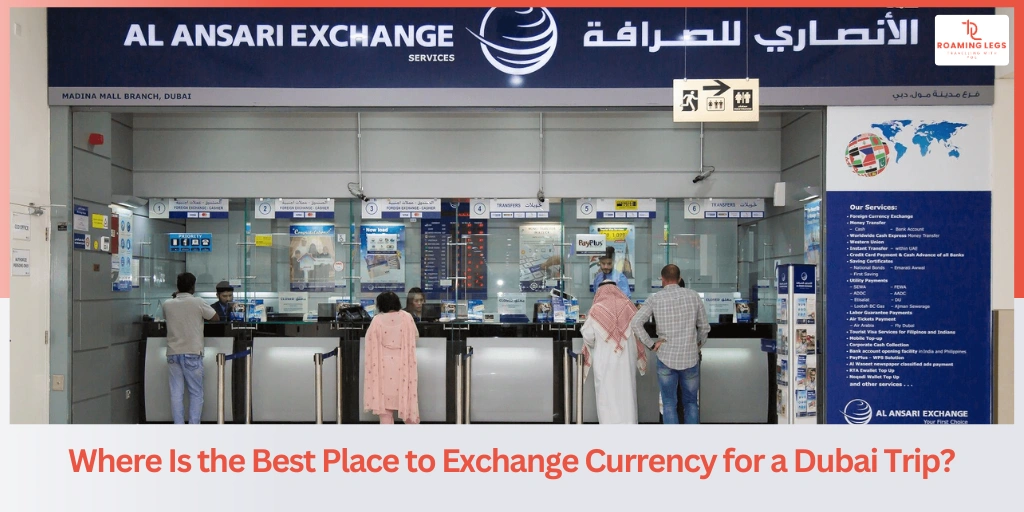
Final Tips for Getting the Best Currency Exchange Rates​

How Much AED Should You Actually Carry?

Here’s a quick reference based on what Indian travelers actually spend in Dubai (not including hotels and flights):

Traveler Type Daily Spend 5-Night Trip Total In Rupees
Budget (street food, metro, group tours) AED 100–200 AED 500–1,000 ₹13,000–₹26,000
Mid-range (restaurants, taxis, shopping) AED 300–500 AED 1,500–2,500 ₹39,000–₹65,000
Premium (fine dining, desert safari, yacht) AED 700–1,200 AED 3,500–6,000 ₹91,000–₹1,56,000
Budget Traveler
Daily Spend

AED 100–200

5-Night Trip Total

AED 500–1,000

Approx. in Rupees

₹13,000–₹26,000

Mid-Range Traveler
Daily Spend

AED 300–500

5-Night Trip Total

AED 1,500–2,500

Approx. in Rupees

₹39,000–₹65,000

Premium Traveler
Daily Spend

AED 700–1,200

5-Night Trip Total

AED 3,500–6,000

Approx. in Rupees

₹91,000–₹1,56,000

Standard advice: Carry at least AED 500 in cash at all times, even if you’re planning to use a card for most things. Tipping, parking, smaller market vendors, and emergencies still need cash.

Common Currency Mistakes — Stop These Before They Happen

Exchanging everything at the airport — Rates are 10–15% worse. Only exchange AED 200–300 there.

Carrying INR to Dubai hoping to convert — Most exchange houses won’t accept it. Convert in India.

Using a regular Indian debit card for all transactions — 3–5% per swipe adds up to thousands on a long trip.

Saying yes to INR on payment machines — Always pay in AED. Never choose your home currency at a POS terminal.

Not carrying any cash at all — Dubai is digital but not 100% digital. Always keep AED 300–500 on you.

Converting leftover AED back at the Dubai airport — Buy-back rates at airports are terrible. Either spend it, or convert it at a proper exchange house in India after you return.

Frequently Asked Questions About Dubai Currency Exchange

Everything Indian travelers need to know about exchanging INR, using cards, and managing AED in Dubai.

Should I exchange INR to AED in India or in Dubai?

Do both, but use the right approach. Exchange around AED 500–1,000 in India for airport transfers and arrival expenses.

For the remaining amount, Dubai exchange houses generally offer better rates than airports and hotel counters.

Where is the cheapest place to exchange currency in Dubai?

Bur Dubai, especially the Al Fahidi area, is known for competitive exchange rates.

Avoid exchanging large amounts at Dubai Mall and Marina Walk counters, where rates are often less favorable.

Do Dubai exchange houses accept Indian Rupees?

Most Dubai exchange houses do not commonly accept Indian Rupee cash.

It is better to convert INR into AED before flying or use an international card after arrival.

How much AED is enough for a 5-day Dubai trip?

A mid-range traveler can start with AED 1,500–2,500 excluding hotel costs.

Budget travelers may manage with AED 500–1,000, but keeping an emergency buffer is always useful.

What is the current INR to AED exchange rate?

As of July 2026, approximately 1 AED = ₹26.

Check live rates on Google or trusted forex providers before exchanging money because rates change daily.

Is a forex card actually worth it for Dubai?

Yes, especially if you plan to spend ₹50,000 or more during your trip.

Zero-markup forex cards can reduce foreign transaction charges compared with regular debit cards.

Which Indian forex card has zero markup for Dubai?

Niyo Global, IDFC First WOW Credit Card, and IndusInd Nexxt Card are popular options for travelers looking to reduce forex charges.

Traditional prepaid forex cards are also available if you prefer loading AED before travel.

Is it safe to use ATMs in Dubai?

Yes. Dubai ATMs are safe and widely available at malls, hotels, and metro stations.

Check your Indian bank's withdrawal and conversion fees before using your card abroad.

Can I use UPI or Google Pay in Dubai?

Standard UPI linked to Indian bank accounts is not accepted everywhere in Dubai.

Google Pay and Apple Pay work when connected to supported international cards.

What should I do with leftover AED when I return to India?

Convert leftover AED through an authorized forex dealer in India.

Avoid airport exchange counters because their buy-back rates are usually less competitive.

Do I need to declare currency at Dubai or Indian customs?

Most tourists do not carry amounts that require declaration.

For large amounts of foreign currency, check current customs and RBI rules before travel.

Is the 70% card and 30% cash rule practical for Dubai?

Yes. Dubai is highly digital, and cards work almost everywhere.

Cash is mainly useful for tips, small vendors, souks, and occasional payment issues. Keeping AED 300–500 available is practical.

Can I use my regular SBI or HDFC debit card in Dubai?

Yes, but international debit card transactions can become expensive due to forex conversion charges and withdrawal fees.

A zero-forex card or forex card can reduce these extra costs during your trip.

What if I run out of AED while I am in Dubai?

You can exchange money at authorized exchange houses or withdraw AED from international ATMs using your card.

Forex cards can also usually be topped up online if additional funds are needed.
How Much Cash Should You Carry to Bali? Here’s What Actually Works for Indian Travelers

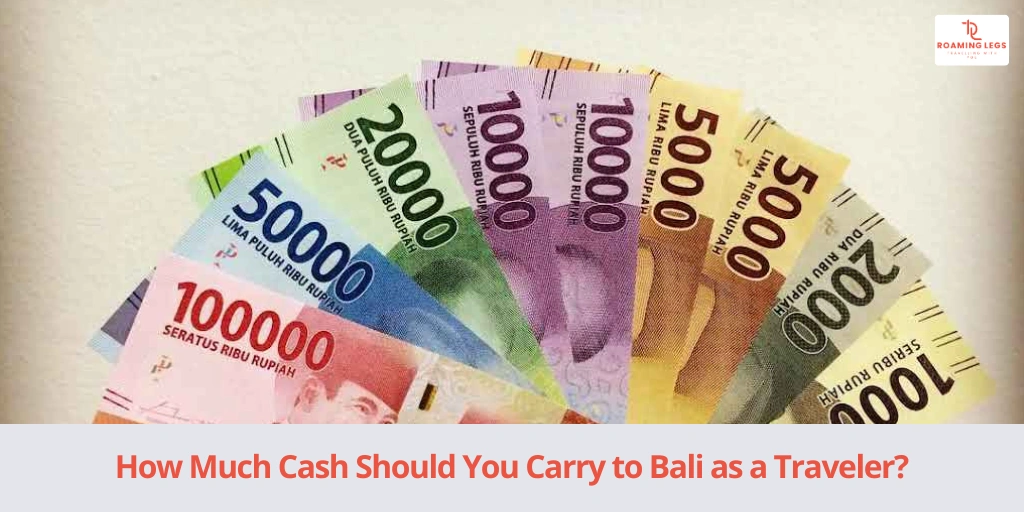
How Much Cash Should You Carry to Bali?

How Much Cash Should You Carry to Bali? Here’s What Actually Works for Indian Travelers

So you’re going to Bali and wondering: how much cash should I actually carry? Good question — and one that most guides answer badly.

The short answer: bring enough USD from India to cover your first day, then withdraw IDR from ATMs inside banks once you land. 

Don’t bring IDR from India (bad rates), don’t exchange everything at the airport (terrible rates), and don’t carry too much at once (unnecessary risk). 

The full picture is a bit more nuanced, and that’s what this guide is for.

Here’s everything you need to know — daily budgets in INR and IDR, which ATMs to use, how to avoid the fake money changer scam that went viral on TikTok, and when cards actually work vs. 

when you’ll need cash.

Bali Cash Quick Reference (July 2026)

Exchange Rate: ₹1 ≈ IDR 186 | IDR 1,00,000 ≈ ₹538
Traveler Type Daily Cash Budget (IDR) In Indian Rupees
Budget (solo) IDR 3,00,000–5,00,000 ₹1,600–2,700
Mid-range (solo) IDR 7,00,000–15,00,000 ₹3,800–8,100
Luxury (solo) IDR 20,00,000+ ₹10,800+
Mid-range (couple) IDR 12,00,000–25,00,000 ₹6,500–13,500
Budget (Solo)
Daily Cash Budget

IDR 3,00,000–5,00,000

In Indian Rupees

₹1,600–2,700

Mid-range (Solo)
Daily Cash Budget

IDR 7,00,000–15,00,000

In Indian Rupees

₹3,800–8,100

Luxury (Solo)
Daily Cash Budget

IDR 20,00,000+

In Indian Rupees

₹10,800+

Mid-range (Couple)
Daily Cash Budget

IDR 12,00,000–25,00,000

In Indian Rupees

₹6,500–13,500

Note: These are cash amounts for daily expenses only — meals, local transport, markets, activities, and small cafes. Hotels, big restaurants, and beach clubs can be paid by card.

What Does ₹1 Actually Get You in Bali?

This is the first thing people get confused about. 

When you land in Bali, you’ll suddenly be dealing in “millions” — and that sounds scary until you understand the conversion.

As of July 2026, ₹1 gets you roughly IDR 186. So:

  • A plate of nasi goreng at a local warung costs IDR 30,000 — that’s about ₹161
  • A Grab bike across Ubud costs IDR 20,000 — about ₹107
  • An entrance ticket to Tirta Gangga water palace is IDR 50,000 — about ₹269
  • A nice dinner for two at a mid-range restaurant runs IDR 3,00,000–4,00,000 — about ₹1,600–2,150

Once you internalize this, Bali starts to feel incredibly affordable. 

The trouble only happens when people don’t check their exchange rate and hand over money at bad counters. 

More on that below.

How Much Cash Do You Need Per Day in Bali?

This depends on three things: your travel style, whether your hotel is prepaid, and which areas you’re visiting. 

Seminyak and Canggu tend to cost more than Ubud or Sanur for day-to-day spending.

Budget Traveler (Solo)

IDR 3,00,000–5,00,000 per day (₹1,600–2,700)

You’re eating at warungs (IDR 25,000–40,000 a meal), renting a scooter (IDR 60,000–80,000/day), and visiting temples where the entrance fee is free or under IDR 50,000. 

Totally doable, and honestly a great way to see the real Bali.

Mid-Range Traveler (Solo)

IDR 7,00,000–15,00,000 per day (₹3,800–8,100)

This covers meals at proper restaurants, a private driver for the day (IDR 6,00,000–8,00,000), a couple of activity entrance tickets, and a cafe coffee or two. 

Most Indian travelers visiting Bali fall in this range.

Mid-Range Couple

IDR 12,00,000–25,00,000 per day (₹6,500–13,500)

Double the solo budget and you’re in the right zone. 

Private driver costs stay the same (it’s per car, not per person), so couples actually save money on transport.

Luxury Traveler

IDR 20,00,000+ per day per person (₹10,800+)

If you’re dining at Sarong or Merah Putih, doing private spa sessions, or visiting beach clubs like Potato Head or Finns — you’re in luxury territory. 

Cards work at most of these places, but you’ll still need cash for tips and incidentals.

How Much Cash for a 7-Day Bali Trip from India?

Assuming your hotel is prepaid (which it almost always is when booking through a travel agent or OTA):

Travel Style Total Cash Budget for 7 Days (Couple) In INR
Budget IDR 40,00,000–70,00,000 ₹21,500–37,600
Mid-Range IDR 85,00,000–1,75,00,000 ₹45,700–94,000
Luxury IDR 2,00,00,000+ ₹1,07,500+
Budget Couple
Total Cash Budget (7 Days)

IDR 40,00,000–70,00,000

Approx. INR

₹21,500–37,600

Mid-Range Couple
Total Cash Budget (7 Days)

IDR 85,00,000–1,75,00,000

Approx. INR

₹45,700–94,000

Luxury Couple
Total Cash Budget (7 Days)

IDR 2,00,00,000+

Approx. INR

₹1,07,500+

Our suggestion for a mid-range couple on 7 nights: Keep roughly ₹50,000–60,000 worth of IDR accessible as cash across the trip. Not all of it at once in your wallet — split it between your hotel safe and daily spending cash.
Free Bali Budget Guide

Get a Free Bali Budget Breakdown on WhatsApp

Not sure what your Bali trip will actually cost? Share your travel dates, travel style, and number of travellers. We will send a detailed day-by-day budget estimate within 24 hours.

Daily Cost Estimate Hotel & Activity Budget Travel Style Planning Custom Breakdown
Get your free Bali budget breakdown on WhatsApp →
Daily Travel Expenses in Bali​

What Should You Use Cash For in Bali?

Bali is not fully cashless — not even close. Here’s where you’ll always need cash:

Always pay with cash:

  • Local warungs and street food stalls
  • Motorbike taxis (ojek) and traditional transport
  • Parking fees (IDR 2,000–5,000 at most spots)
  • Temple entrance tickets and donations
  • Traditional markets — Ubud Art Market, Sukawati Market, Beringkit Market
  • Small boutique shops and souvenir stores
  • Tipping your driver, guide, masseuse, or villa staff
  • Small cafes and local smoothie bowls

Cards work fine at:

  • Hotels, villas, and resorts
  • Supermarkets (Bintang, Circle K, Indomaret, Hardy’s)
  • Large restaurants and beach clubs
  • Shopping malls (Discovery Mall, Beachwalk, Level 21)
  • QRIS-enabled shops (Indonesia’s QR payment system — scan and pay via UPI-like interface)

One thing most guides miss: UPI does not work in Bali. GPay, PhonePe, Paytm — none of these function internationally. Your Indian UPI is India-only. Don’t assume otherwise.

How Should You Bring Money to Bali from India?

This is where most Indian travelers make expensive mistakes. Here’s what actually works:

Option 1: Multi-Currency Forex Card (Best Option)

Load a forex card with USD (not IDR — IDR isn’t available on most Indian forex cards).

In Bali, use the card at ATMs inside BCA or BNI banks to withdraw IDR. 

You’ll get a fair exchange rate, and your withdrawal fees are usually USD 2–3 per transaction.

Recommended cards: Niyo Global, BookMyForex Prepaid Card, Axis Bank Multi-Currency Forex Card.

Apply at least 10–14 days before your trip — physical delivery takes time.

Option 2: Carry USD Cash, Exchange in Bali

This is what most experienced Bali travelers do, especially Indians. 

Carry USD 200–300 per person and exchange it at a licensed money changer in Bali (not the airport, not random street kiosks — more on this below). 

USD gets better rates than exchanging INR directly in Bali.

Can you carry USD from India? Yes, up to USD 3,000 in cash per person under RBI guidelines. 

For most 7–10 day trips, USD 200–400 is more than enough.

Option 3: Use Your Indian Debit/Credit Card at ATMs

This works, but it’s the most expensive option. 

Most Indian banks charge 3–3.5% forex markup plus 18% GST on top. 

On a ₹50,000 withdrawal, that’s roughly ₹2,900 extra in fees.

If you do use your Indian bank card, make sure international transactions are enabled before you leave.

Call your bank or do it through net banking — some banks turn this off by default.

The Fake Money Changer Scam in Bali — Read This Before You Exchange a Single Rupee

This is the most important section in this article. 

Fake money changers in Bali are a well-known problem — and it’s gotten worse, not better.

A TikTok video showing the sleight-of-hand trick at a money changer in Ubud got 1.9 million views in 2025. 

The trick is fast, smooth, and hard to catch in real time.

How it works: The cashier counts your notes, then folds and refolds the bundle quickly, palming a few bills in the process. 

By the time you walk out, you’re short IDR 1,00,000–5,00,000 and you don’t even know it.

The lure: These fake changers often display rates like IDR 16,800–17,000 per USD, when the real market rate is around IDR 16,200–16,400. 

That “better rate” is how they get you in the door.

How to protect yourself:

  1. Use only licensed money changers — look for the “Bank Indonesia Authorized” sticker. You can verify any money changer at moneychangerbali.com (Bank Indonesia’s official portal).
  2. Trusted names: PT BMC (Bali Money Changer), Central Kuta Money Changer, and exchange counters inside banks (BCA, Mandiri, BNI).
  3. Always count your money yourself, in front of the cashier, before you walk away. Count twice.
  4. If the cashier rushes you or takes the notes back to “recount” — that’s a red flag. Walk out.

Skip the airport money changer. Ngurah Rai International Airport rates are typically 5–8% worse than city counters. 

Exchange just enough at the airport for your first taxi ride (IDR 1,50,000–2,00,000 should cover it), then exchange properly in the city.

ATM Tips for Indian Travelers in Bali

ATMs are everywhere — but not all of them are equally safe or equally cheap. 

Here’s what works:

Use ATMs inside these banks: BCA, BNI, Mandiri, Bank Rakyat Indonesia (BRI). 

These are the safest and have the lowest third-party fees (usually IDR 30,000–50,000 per withdrawal).

Avoid: Standalone ATMs in convenience stores, tourist areas with no bank branding, or machines that look modified or unusually bulky around the card slot (possible skimmer attached).

Watch for the DCC prompt. When you insert your Indian card into a Bali ATM, it may ask: “Would you like to complete this transaction in INR?” 

Always say NO. Always choose IDR. Choosing INR activates Dynamic Currency Conversion (DCC) — which lets the ATM use their own exchange rate (usually 5–7% worse than the real rate). 

The ATM makes money; you lose money.

Withdrawal limits: Most Bali ATMs cap withdrawals at IDR 12,50,000–25,00,000 per transaction (roughly ₹6,700–13,400). 

If you need more, do two separate transactions.

Free Bali Itinerary Plan

Planning Your Bali Trip? Save 20+ Hours of Research

Share your travel dates, group size, and budget. We will create a ready-made Bali itinerary with day-by-day activities, local restaurant suggestions, and estimated costs in INR.

Day-Wise Itinerary Restaurant Picks INR Cost Breakdown Local Travel Tips
Get your Bali travel plan on WhatsApp →

The DCC Scam at Card Machines (Restaurants, Shops, Hotels)

This isn’t just an ATM problem. 

Card machines at restaurants, shops, and even some hotels try the same trick. 

When you tap or swipe your Indian card, the machine may ask: “Pay in INR or IDR?”

Always choose IDR. Every single time. No exceptions.

Choosing INR at a restaurant card machine can cost you 4–7% extra. 

On a ₹5,000 dinner, that’s an extra ₹200–350 that goes straight to the merchant’s bank. It happens fast, and the person taking payment may not even explain what the choice means.

Does Bali Have a Proof of Funds Requirement in 2026?

Yes — and this caught a lot of Indian travelers off guard in early 2026.

For the standard Visa on Arrival (30 days), there’s no formally fixed minimum, but immigration officers can ask to see that you have sufficient funds. 

The general guidance is USD 100 per day of your stay — so for a 7-day trip, having USD 700 (or equivalent) accessible on your card or as cash is advisable.

For the 60-day Visit Visa (C1), the requirement is stricter — a minimum bank balance of USD 2,000 with 3 months of bank statements.

Most Indian tourists visit on Visa on Arrival and have no issues. 

Just make sure your card or banking app shows a reasonable balance if asked. 

Showing your live banking app is accepted.

Quick Money Checklist Before You Fly to Bali

Here’s a simple pre-departure checklist to make sure you’re sorted:

  • [ ] Enable international transactions on your Indian debit/credit card
  • [ ] Apply for a multi-currency forex card (Niyo Global or similar) — do this 2 weeks before
  • [ ] Carry USD 200–300 per person in cash for exchange in Bali (buy from BookMyForex or Thomas Cook for better rates than airport)
  • [ ] Keep just IDR 1,50,000–2,00,000 worth from the airport counter for your first taxi
  • [ ] Save the moneychangerbali.com link on your phone — verify any money changer before exchanging
  • [ ] Set a daily cash budget in IDR and stick to it
  • [ ] Keep emergency cash in your hotel safe, separate from your wallet
  • [ ] Check your bank’s ATM withdrawal fees for international transactions before you go
Final Tips for Managing Cash in Bali​

Testimonials

“We were so worried about managing money in Bali, but the team at Roaming Legs gave us a day-by-day cash plan before we even boarded. 

Saved us from a really sketchy money changer in Seminyak.” — Priya & Rohit S., Mumbai | Bali, January 2026

“The tip about always choosing IDR at card machines saved us easily ₹3,000+ across our 8-day trip. 

Small things make a big difference.” — Karan M., Bangalore | Bali, March 2026

Bali Cash & Currency FAQ

Frequently Asked Questions About Carrying Cash in Bali

How much cash should I carry to Bali from India as a solo traveler?

For a 7-day solo trip with accommodation pre-booked, carry the equivalent of ₹20,000–40,000 in cash as USD, then exchange it in Bali. For daily expenses, keep IDR 5,00,000–10,00,000 accessible per day depending on your spending style.

Is IDR available in India before my trip?

Some banks and forex providers offer IDR in India, but availability is limited and rates are usually not attractive. Carrying USD from India and exchanging it at licensed money changers in Bali generally gives better value.

How much IDR should I carry on me each day in Bali?

A mid-range solo traveler can keep IDR 7,00,000–12,00,000 per day for meals, transport, activities, and shopping. Couples can budget IDR 12,00,000–20,00,000 per day. Keep only daily cash in your wallet and store the rest safely.

Should I use my Indian SBI/HDFC/ICICI debit card in Bali ATMs?

You can, but regular Indian debit cards may include forex markup, GST, and ATM fees. A zero-forex travel card or forex card is usually a cheaper option.

Can I use Google Pay or PhonePe in Bali?

No. Indian UPI apps like Google Pay, PhonePe, and Paytm do not work in Bali like they do in India. Carry a forex card, international card, and some Indonesian Rupiah.

What denominations should I ask for when exchanging money in Bali?

Ask for a mix of IDR 50,000 and IDR 1,00,000 notes for bigger payments, and IDR 10,000 and IDR 20,000 notes for smaller expenses like parking, local meals, and donations.

Is it safe to carry a lot of cash in Bali?

Bali is generally safe. Avoid carrying your full travel budget outside. Split your money between your wallet and hotel safe, especially in crowded areas.

Which areas in Bali have the most ATMs?

Kuta, Seminyak, Canggu, Ubud, and Nusa Dua have many ATMs. Withdraw cash before visiting areas like Nusa Penida, Munduk, or Amed where ATM access is limited.

What happens if I run out of cash in Bali?

You can withdraw IDR from major bank ATMs such as BCA and BNI in tourist areas. If your card has issues, hotels can often help arrange alternatives.

Are credit cards better than debit cards for Bali?

Credit cards can offer better fraud protection and may have better exchange rates. Use them at hotels and restaurants where accepted, and keep cash for smaller local purchases.

How much should I budget for tipping in Bali?

Tipping is appreciated but not compulsory. Budget around IDR 2,00,000–3,00,000 for tips during a 7-day couple trip.

What's the best way for Indian tourists to manage currency in Bali?

The best combination is USD cash for exchange, a forex card for withdrawals, and an international credit card for hotels and restaurants.

Can I use Rupees (INR) directly in Bali?

No. Bali uses Indonesian Rupiah (IDR). INR is not accepted for regular purchases.

Do I need to declare cash at the airport?

If carrying more than IDR 1,00,000,000 into or out of Indonesia, you must declare it. Most holiday travelers do not reach this limit.

Free Bali Money Guide

Ready to Plan Your Bali Trip?

Managing money in Bali becomes simple when you know what works. Carry some USD, exchange at trusted counters, use bank ATMs, choose IDR at card machines, and keep your daily cash needs planned.

We have helped 500+ Indian travelers plan Bali trips. If you want a custom budget breakdown based on your dates and travel style, we can help you plan it before your trip.

Cash Planning Card Usage Tips Daily Budget Guide Custom Trip Estimate
Share your Bali trip details and get personalised money guidance.

Forex Card or International Card for Dubai? Here’s What Indians Actually Use (And What It’ll Really Cost You)

International Cards vs Forex Cards for Dubai Travel

Forex Card or International Card for Dubai? Here’s What Indians Actually Use (And What It’ll Really Cost You)

So you’re going to Dubai — and now someone told you to “get a forex card.” 

And you’re wondering if your regular HDFC or SBI card won’t work. 

Or maybe it’s the other way around — you have a forex card loaded up, and now you’re wondering if you even need to carry a credit card too.

Here’s the honest answer: both work in Dubai. 

But the one you reach for first will decide how much money you’re quietly losing to bank fees without realizing it.

Let’s sort this out simply, with real numbers.

What’s the Actual Difference Between the Two?

Think of it this way.

Your international debit or credit card is just your regular bank card with international access switched on. 

When you swipe it in Dubai, your bank converts your spend from AED (UAE Dirhams) to INR at that moment’s exchange rate — and adds its own fees on top. You get the bill later.

A forex card works differently. 

You load money onto it before you leave India. 

The exchange rate gets locked the moment you load it. 

So if the AED rate is good today and you load ₹50,000 worth of AED — that’s what you’ve locked in. 

Even if the rate moves against you tomorrow, you’re fine.

Both let you swipe at shops, hotels, malls, and restaurants in Dubai. 

Both let you withdraw cash from ATMs. 

The difference is how much it costs you — and that gap is bigger than most people expect.

The Real Cost Difference — Let’s Talk Numbers

This is the part most blogs skip, so let’s be clear about it.

When you use a standard Indian credit card abroad, your bank typically adds:

  • 3% to 3.5% foreign transaction markup on every swipe
  • 18% GST on that markup
  • Sometimes an additional currency conversion fee

So on a ₹1,00,000 Dubai trip spend, you’re quietly paying ₹3,500–4,000 extra — just in bank fees. 

That’s two nice dinners in Dubai, gone.

With a forex card loaded in AED, you typically pay zero markup on transactions. 

The fee is paid only once — at the time of loading — and it’s usually 0.5% to 1% above the RBI reference rate, which is much lower.

The math is simple: for a 5-day Dubai trip spending ₹1–1.5 lakh, a forex card saves you ₹3,000–5,000 over a standard credit card.

There’s one exception though — and it matters. 

Some premium credit cards like Axis Magnus, HDFC Infinia, or RBL World Safari have zero or near-zero forex markup. 

If you already have one of these, your credit card is actually competitive with a forex card on cost. 

But if you’re on a regular HDFC Regalia, ICICI Platinum, or SBI Simply Click — a forex card will be cheaper every time.

Which Forex Cards Actually Work Well for Dubai?

Not all forex cards are the same. 

Here are four that Indian travelers actually use for Dubai:

Niyo Global (DCB Bank)

Zero forex markup. 

No issuance fee. 

Works in 130+ countries. 

The big advantage is that your rupees sit in a savings account and you spend from it — so you don’t have to “load” AED in advance. 

It just converts at near-interbank rates when you swipe. 

ATM withdrawal fee is ₹425 per transaction. 

Great for people who don’t want to pre-estimate their spending.

BookMyForex Wow Card

Zero markup on loaded currencies. 

Rate gets locked when you load. 

Doorstep delivery in India — they’ll courier the card to your house before you travel. 

Good for people who want to know exactly what rate they’re getting before they land. 

The downside: if you load too much, getting your money back takes a few extra days.

HDFC Multicurrency Forex Card

This one supports up to 22 currencies including AED. 

Issuance fee around ₹500 + GST. Zero markup when you spend in the currency loaded. 

A 3.5% cross-currency fee applies if you use a currency you haven’t loaded. 

Good for multi-destination trips. 

If you’re going only to Dubai, load AED directly.

Axis Bank Multi-Currency Forex Card

Issuance fee around ₹300 + GST (waived for Axis Priority or Burgundy holders). 

No reward structure, but solid for straightforward Dubai spending. 

Works well with Axis Bank accounts.

Free Dubai Budget Guide

Not Sure How Much AED You Need for Your Dubai Trip?

Planning your Dubai budget can be confusing. We help Indian travelers estimate daily spending for accommodation, food, shopping, and activities so you know how much AED to carry without loading too much or running short.

Share your travel dates and travel style on WhatsApp. We will send a Dubai trip budget breakdown designed around your plans.

Daily Budget Planning AED Estimate Food & Activity Costs Shopping Budget
Get your Dubai budget breakdown on WhatsApp →
International Cards vs Forex Cards: Key Differences​

Where to Use Which Card in Dubai — The Practical Guide

Dubai is extremely card-friendly. 

You can pay by card at almost everything — The Dubai Mall, Mall of the Emirates, Burj Khalifa entry, Dubai Frame, desert safari bookings, restaurants on JBR Walk, supermarkets, Careem rides, Dubai Metro. 

Cards work everywhere.

Here’s a simple way to think about it:

Use your forex card for:

  • Daily meals and café visits
  • Shopping at malls and souks
  • Supermarket runs (Carrefour, Lulu)
  • Paying for smaller tourist attractions
  • Dubai Metro tickets from the app

Use your international credit card for:

  • Hotel check-in (hotels put a security hold/deposit, and credit cards handle this better than prepaid cards)
  • Car rental deposits
  • Large one-time purchases where your credit card has purchase protection
  • Emergency backup if your forex card gets blocked or lost

Carry AED 300–500 in cash for:

  • Taxis that don’t accept cards (Gold and Silver metered cabs are fine, but some older cabs outside malls may prefer cash)
  • Tips at restaurants and for hotel staff
  • Traditional souk shopping where cash gets you better bargaining power
  • Small local eateries near Deira or Old Dubai

The Trap That Catches First-Time Dubai Travelers

This happens at shops, restaurants, and even hotel counters in Dubai — and it’ll cost you money if you’re not ready for it.

When you swipe your card, the payment machine sometimes asks: “Pay in INR or AED?”

Always choose AED. Always.

If you choose INR, the merchant’s bank does the conversion for you — at a rate that’s 3%–5% worse than anything you’d get from your own bank or forex card. 

It feels convenient (“oh good, I can see the amount in rupees”) but it’s quietly expensive. 

This is called Dynamic Currency Conversion (DCC), and it’s one of the most common ways tourists lose money in Dubai without realizing it.

Your forex card or credit card will handle the AED-to-INR conversion at a much better rate. 

Just say no to the “pay in INR” option every time a machine offers it.

A Quick Note on TCS — This Applies to Forex Card Loads

If you’re loading more than ₹7 lakh onto a forex card in a financial year (April to March), the bank will collect 20% TCS (Tax Collected at Source) on the amount above that limit. 

This is an RBI rule under the Liberalised Remittance Scheme (LRS).

For a standard 5–7 day Dubai holiday, most families spend ₹1.5–3 lakh on cards. 

You won’t come anywhere near the ₹7 lakh limit. 

But if you’re going on a long trip or loading cards for multiple family members — worth knowing. 

The TCS amount is claimable in your ITR, so it’s not a permanent loss, just a cash flow thing.

Free Dubai Checklist

Get Your Free Dubai Travel Preparation Checklist

Going to Dubai soon? Get a practical checklist covering card activation, when to load money, how much AED cash to carry, and what to do if your card stops working abroad.

Card Setup Tips AED Cash Planning Payment Guide Emergency Preparation
Download your free Dubai travel checklist →
Which Option Is Better for Dubai Travel?​

The Strategy That Most Experienced Dubai Travelers Actually Use

If you talk to someone who’s done Dubai two or three times, this is almost always what they say:

One forex card (Niyo or BookMyForex) for daily spending. 

One international credit card in the bag for hotel check-in and emergencies. 

AED 400–500 in cash for taxis and tips.

That’s it. Three things. Simple.

The reason for the forex card is obvious — lower fees. 

The reason for keeping a credit card is also simple — hotels in Dubai, especially 4-star and 5-star ones, will ask for a card at check-in and block ₹10,000–25,000 as a security deposit. 

Prepaid forex cards handle this, but credit cards do it more smoothly and don’t impact your spending balance on the forex card. 

If you’re staying at something like Address Downtown, JW Marriott, or Atlantis Palm, they’ll almost certainly ask for a credit card at check-in.

The cash is for everything that doesn’t take cards — small purchases in the Deira Gold Souk, tips for the concierge, and that late-night shawarma from the Al Ustad Special Kabab place in Karama where the card machine is permanently “not working.”

Frequently Asked Questions About Forex Cards for Dubai

Everything Indian travelers need to know about using money, cards, and payments in Dubai.

Is a forex card better than my regular debit card for Dubai?

Yes, almost always. Regular Indian debit cards used abroad usually add a 3%–3.5% foreign transaction markup on every payment, plus GST on that markup.

A forex card with zero markup can reduce these extra charges significantly during a Dubai trip.

Can I use my Indian credit card in Dubai?

Yes. Visa and Mastercard credit cards with international transactions enabled work widely across Dubai.

Activate international usage through your banking app before travel. Keep in mind that many Indian credit cards charge a foreign currency markup fee.

Which forex card is best for a Dubai trip from India?

Niyo Global and BookMyForex are popular choices because of their low markup structure.

HDFC Multicurrency Forex Card and Axis Bank Forex Card are also reliable options, especially if you already use these banks.

Do forex cards work at Dubai ATMs?

Yes. Most forex cards work at ATMs throughout Dubai.

ATM withdrawals may include a fixed withdrawal fee, so withdrawing larger amounts fewer times can help reduce charges.

Should I carry cash AED for Dubai?

Yes, carrying a small amount of AED is practical.

AED 300–500 is usually enough for taxis, tips, small purchases, and situations where card payments are unavailable.

What is Dynamic Currency Conversion and should I avoid it?

Dynamic Currency Conversion (DCC) happens when a payment terminal offers to charge you in INR instead of AED.

Always choose AED. Paying in INR usually uses a poorer exchange rate and can increase your final cost.

Can I use UPI or Google Pay in Dubai?

UPI acceptance in Dubai is growing but is not available everywhere.

For restaurants, hotels, shopping malls, and attractions, keep a forex card or international card as your primary payment method.

Do I need to tell my bank before using my card in Dubai?

Yes. Enable international transactions through your banking app before leaving India.

This simple step prevents your card from being blocked when you try making payments abroad.

Is it safe to use a forex card in Dubai?

Yes. Forex cards offer chip-and-PIN protection and can usually be blocked instantly through the provider's app if lost.

They are safer than carrying large amounts of cash during international travel.

What happens if I have AED leftover after my Dubai trip?

For traditional prepaid forex cards, you can request an unload after returning to India. The returned amount depends on the current exchange rate.

Try to load a realistic amount to avoid unnecessary conversion losses.

Can a forex card be used for hotel check-in deposits in Dubai?

Yes, but credit cards are usually more convenient for hotel security deposits.

Hotels often place temporary holds for incidentals, and a credit card avoids reducing your available travel balance during the stay.

How much AED should I load for a 5-day Dubai trip?

For a mid-range Dubai trip, a family of 2–3 may spend around AED 2,000–4,000 on daily expenses, shopping, food, and attractions.

The exact amount depends on hotel category, shopping plans, and activities.

Does TCS apply when I load a forex card for Dubai?

TCS applies only when your total foreign remittances cross the applicable annual threshold.

Most standard Dubai holiday expenses remain below this limit, but frequent international travelers should track their yearly forex spending.

Can You Use Indian Rupees in Bali or Vietnam? The Honest Currency Guide for Indian Travellers

Can You Use Indian Rupees in Bali or Vietnam?

So you’ve booked your Bali or Vietnam trip, and now you’re staring at your wallet wondering — can I just carry rupees and exchange them there? 

Or do I need to figure this out before I leave?

Short answer: yes, you need to sort this before you go. 

Indian Rupees (INR) are not accepted for payments in either Bali or Vietnam. 

Not at restaurants, not at hotels, not at markets. The moment you land, you are dealing with a completely different currency — and if you haven’t planned for it, your first few hours in either country can get genuinely stressful.

This guide tells you exactly what currency to carry, the cheapest ways to get it, which cards actually save you money, what the current exchange rates look like, and the mistakes Indian travellers make that cost them real money.

What Currency Is Used in Bali and Vietnam?

Two different countries, two different currencies — and both of them have a learning curve.

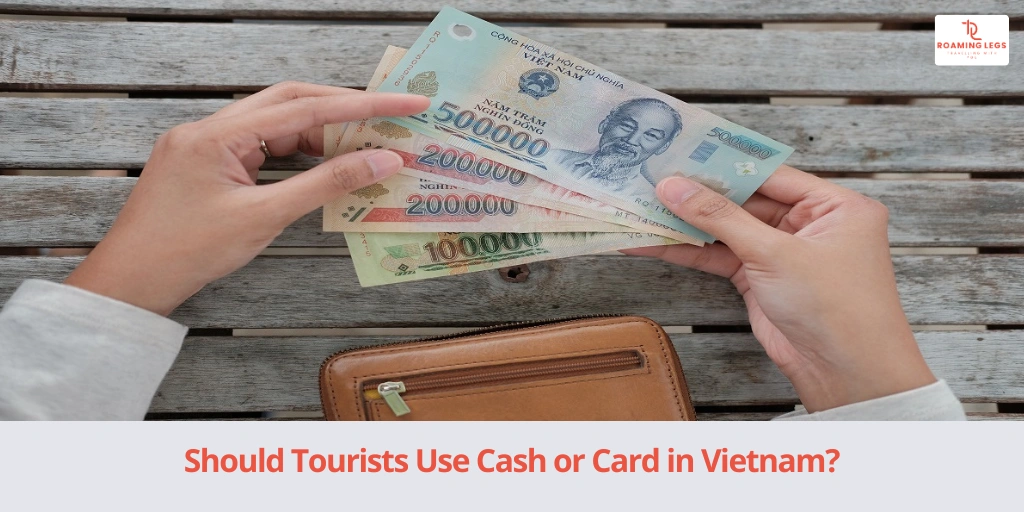
Bali (Indonesia) uses the Indonesian Rupiah (IDR), symbol Rp. 

The numbers are large — a casual lunch might cost Rp 80,000, a cab ride Rp 50,000, and a hotel Rp 1,500,000 per night. 

As of July 2026, 1 Indian Rupee = approximately 183–190 Indonesian Rupiah. 

So that Rp 1,500,000 hotel room is roughly ₹8,000. 

Once you get the hang of dividing by 185, you’re fine.

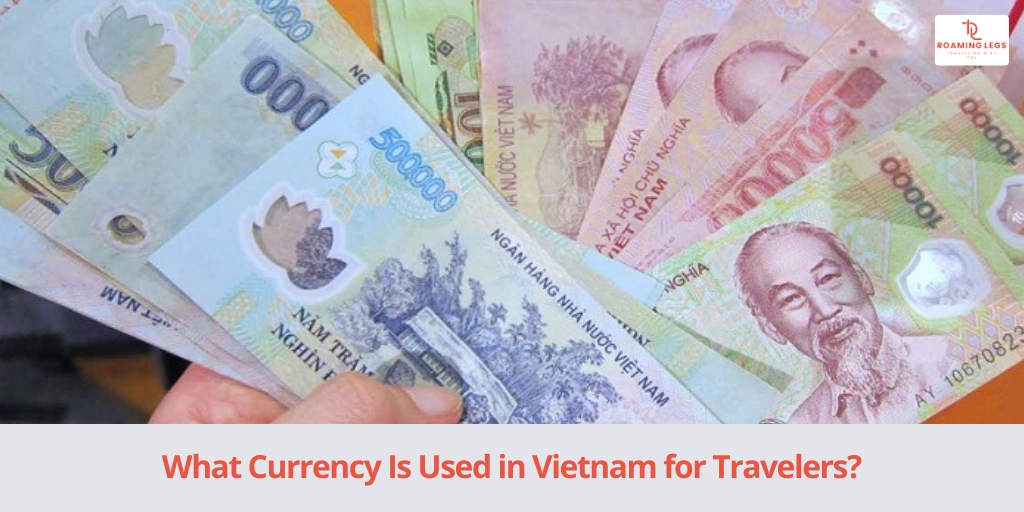
Vietnam uses the Vietnamese Dong (VND). 

The denominations are even more extreme — ₹100 gets you roughly 283 VND. 

A street food meal in Hanoi might cost 60,000 VND, which is just ₹212. 

The confusing part: the 20,000 VND and 500,000 VND notes look similar, and polymer notes stick together. 

Count every time.

Neither destination accepts INR at shops, restaurants, taxis, or markets. 

A few high-end hotels might quote in USD, but even then, they won’t take rupees.

How Much Does INR Actually Get You?

Currency Pair Approximate Rate (July 2026)
1 INR → Indonesian Rupiah (IDR) ~183–190 IDR
1 INR → Vietnamese Dong (VND) ~280–295 VND
₹10,000 → IDR ~18,30,000–19,00,000 IDR
₹10,000 → VND ~28,00,000–29,50,000 VND
Indian Rupee to Indonesian Rupiah
Exchange Rate

1 INR → ~183–190 IDR

Example

₹10,000 → ~18,30,000–19,00,000 IDR

Indian Rupee to Vietnamese Dong
Exchange Rate

1 INR → ~280–295 VND

Example

₹10,000 → ~28,00,000–29,50,000 VND

Rates change daily. Check live rates on Google or a currency converter app before exchanging money. A 2–3% difference in exchange rates can mean ₹500–₹1,000 lost on a ₹25,000 exchange, so compare rates before converting large amounts.
Free Trip Budget Guide

Planning Bali or Vietnam? Get Your Real Daily Budget Breakdown

Not sure how much you should actually budget for your trip? Share your travel dates, trip duration, and travel style on WhatsApp, and we will prepare a realistic per-day cost breakdown based on your plans.

Get clear numbers for stays, food, transport, activities, and daily expenses — without unnecessary extras or confusing estimates.

Daily Cost Breakdown Hotel Budget Guide Food & Activity Costs Travel Style Planning

Bali Currency Guide for Indian Travellers

The biggest mistake Indian travellers make in Bali is arriving at Ngurah Rai International Airport and exchanging all their money there. 

Airport counters in Bali are consistently 3–6% worse than the rates you’ll get in town. 

Change just enough at the airport to cover a taxi or GrabCar to your hotel — around Rp 100,000–200,000 (₹540–₹1,080). 

Sort the rest in Seminyak, Ubud, or Canggu.

Where to exchange money in Bali:

The most trusted licensed money changers in Bali are BMC (Bali Money Changer), Central Kuta Money Exchange (PT Central Kuta), and Permata Bali. 

All three have Bank Indonesia licence certificates displayed on the wall — check for this before handing over your cash. 

Do not exchange money at street-side, unlicensed changers even if they advertise better rates. 

Scams include shortchanging, distraction tricks, and fake notes returned in the middle of a big bundle.

Can you exchange INR directly in Bali?

Yes, most licensed money changers in Bali accept Indian Rupees. 

But the rate for INR is often slightly worse than for USD. 

A practical move many Indian travellers use: carry a portion of your forex budget in USD, which tends to get better rates at Bali changers. 

So if you have ₹30,000 to exchange, convert ₹15,000–₹20,000 to USD in India first through a forex dealer like BookMyForex or Thomas Cook, and exchange the rest in Bali as INR.

Cash or card in Bali?

Use both. The recommended split is 60–70% on a forex card loaded with IDR and 30–40% as IDR cash. Here’s why:

Cash is still king at traditional markets like Ubud Art Market and Sukawati Market, street food warungs, scooter rentals, temple entrance fees (most charge Rp 20,000–50,000), parking, and tips. 

A good daily cash budget for Bali is Rp 500,000–1,500,000 (₹2,700–₹8,100) depending on your travel style.

Cards are accepted at hotels, beach clubs like Ku De Ta and Potato Head, shopping malls, larger restaurants, and tour operators booking activities like ATV rides with Mason Adventures or sunrise treks to Mount Batur.

Note: many Bali establishments add a 2–3% surcharge for card payments. 

Ask before you swipe.

Best ATMs in Bali:

Use BCA or BNI ATMs — they have the most reliable withdrawal limits and lowest additional fees for foreign cards. 

Avoid standalone ATMs not attached to a bank building, especially in tourist areas. 

Always decline the ATM’s “Dynamic Currency Conversion” offer — it charges you an extra 3–5% to convert into INR on the spot. 

Always choose to be charged in IDR.

Vietnam Currency Guide for Indian Travellers

Vietnam is slightly more cash-heavy than Bali, so plan accordingly. 

Cities like Hanoi, Ho Chi Minh City (Saigon), and Da Nang have plenty of ATMs and card-accepting restaurants, but once you move to smaller towns, night markets, or street food alleys, you will need VND cash. 

Load more cash than you’d carry in Bali.

Where to exchange money in Vietnam:

The best strategy most experienced travellers use: convert INR to USD in India before you fly (through BookMyForex, Orient Exchange, or your local RBI-authorised forex dealer), then exchange USD to VND at a licensed gold shop (tiem vang) in Hanoi’s Old Quarter or HCMC’s District 1. 

Gold shops in Vietnam have a long tradition of currency exchange and consistently offer better USD-to-VND rates than airport counters or banks.

Avoid airport exchange counters at Tan Son Nhat (HCMC) and Noi Bai (Hanoi) for anything beyond the minimum to cover your taxi.

Vietnamese Dong is now directly purchasable in India through authorized dealers like Orient Exchange — convenient if you prefer to arrive with local currency already in hand.

Can you exchange INR directly in Vietnam?

It’s possible at some authorized money changers, but INR is not widely traded in Vietnam. 

Availability is limited, and the rates are generally worse than for USD or EUR. 

Don’t rely on this as your primary strategy.

Best ATMs in Vietnam:

Use VPBank ATMs — as of 2026, most Indian cards work smoothly with only your Indian bank’s fees (roughly ₹125 + 3.5% conversion per withdrawal). 

Avoid TPBank (which started charging a 3.3% machine fee in late 2025) and standalone BIDV machines that charge a percentage-based fee instead of a flat one. 

UPI does not work in Vietnam — MoMo, ZaloPay, and VietQR all require a Vietnamese bank account. 

Cards and cash only.

Free Money Planning Guide

Not Sure How Much Cash to Carry for Bali or Vietnam?

Managing money abroad can be confusing. We have planned hundreds of trips for Indian travelers and can help you decide the right balance between cash and cards.

Send us your itinerary on WhatsApp and we will share a practical money plan for your route — including how much cash to carry, how much to keep on card, and the best places to exchange currency.

Cash Planning Card Usage Tips Currency Exchange Guide Route-Based Advice
Best Ways to Convert Indian Rupees for International Travel​

Best Forex Cards for Indian Travellers Going to Bali or Vietnam (2026)

The forex card question comes up constantly — and the honest answer is: the right card depends on how you spend.

Niyo Global Card (DCB Bank): Zero forex markup, real-time interbank rates, and the first four international ATM withdrawals per month are free. 

Best for travellers who will mix card payments and ATM withdrawals. 

The app is functional, not fancy. Requires you to open a DCB savings account.

BookMyForex WOW Card: Zero cross-currency markup on supported currencies, competitive loading rates, and you can lock in the exchange rate when you load. 

Best if you want rate certainty before your trip.

HDFC Multicurrency Platinum / Axis Multi-Currency: Legacy bank cards. Reliable and widely accepted, but charge 3–3.5% cross-currency markup. 

Use only if you’re already banking with HDFC or Axis and don’t want to set up a new card.

Scapia Card: Worth considering if you’re booking hotels and activities through the app — the cashback offers can be significant for certain properties. 

Less efficient than Niyo for pure ATM withdrawals.

For most Indian travellers heading to Bali or Vietnam, Niyo Global + BCA/VPBank ATMs is the lowest-cost combination. 

Activate international transactions at least 24 hours before departure, and test your card at an Indian ATM first.

How Much Cash Should You Carry? A Realistic Budget Guide

Trip Style Bali — Per Day (Cash Only) Vietnam — Per Day (Cash Only)
Budget traveller Rp 300,000–500,000
(₹1,620–₹2,700)
VND 300,000–500,000
(₹1,060–₹1,770)
Mid-range traveller Rp 700,000–1,500,000
(₹3,780–₹8,100)
VND 700,000–1,200,000
(₹2,470–₹4,240)
Comfortable traveller Rp 1,500,000–3,000,000
(₹8,100–₹16,200)
VND 1,200,000–2,500,000
(₹4,240–₹8,800)
Budget Traveller
Bali Daily Cash

Rp 300,000–500,000 (₹1,620–₹2,700)

Vietnam Daily Cash

VND 300,000–500,000 (₹1,060–₹1,770)

Mid-Range Traveller
Bali Daily Cash

Rp 700,000–1,500,000 (₹3,780–₹8,100)

Vietnam Daily Cash

VND 700,000–1,200,000 (₹2,470–₹4,240)

Comfortable Traveller
Bali Daily Cash

Rp 1,500,000–3,000,000 (₹8,100–₹16,200)

Vietnam Daily Cash

VND 1,200,000–2,500,000 (₹4,240–₹8,800)

These are daily cash estimates only. Hotels, activities, and flights paid by card are not included. For a 7-night trip to Bali, a mid-range Indian couple typically needs around ₹15,000–₹25,000 in IDR cash for daily spending, with the rest covered by card.

Quick Tips to Avoid Losing Money on Currency Exchange

In Bali:

  • Never exchange money at the airport for large amounts — rates are 3–6% worse
  • Use only licensed changers with the Bank Indonesia licence on the wall (BMC, Central Kuta, Permata Bali)
  • Always count your notes at the counter before you walk away — shortchanging is the most common scam
  • Ask for a mix of smaller denominations: Rp 10,000, 20,000, 50,000 — useful for taxis, tips, and temple donations
  • Decline ATM Dynamic Currency Conversion — always choose to pay in IDR

In Vietnam:

  • Convert INR to USD in India, then exchange USD to VND at a gold shop (tiem vang) in Hanoi or HCMC for best rates
  • Use VPBank ATMs; avoid TPBank and airport standalone machines
  • Watch the 20,000 VND and 500,000 VND notes — they look almost identical
  • Keep a small USD reserve (around $50–100) as emergency backup for smaller towns

What Indian Travellers Actually Ask Us

Here’s what couples and families ask our team every week before a Bali or Vietnam trip:

“Nitin, we are going to Bali for 10 nights from Mumbai with our family. 

Should we carry USD or INR or just use a card?”

Our answer: carry a Niyo card loaded with IDR, take enough USD to exchange at a licensed changer for your first few days’ cash, and keep your regular debit card as a BCA ATM backup. 

Avoid the airport exchange counters entirely for anything over Rp 200,000.

“We are a couple going to Vietnam for 8 days. The guides say USD is better — is that true?”

Yes, in Vietnam, USD gets you a better exchange rate at gold shops than INR does. 

Buy USD before you fly, exchange to VND at a reputable tiem vang in Hanoi or HCMC, and use VPBank ATMs when you need more cash mid-trip.

Testimonials

Rajan & Priya Mehta, Ahmedabad — Bali, March 2026 “We almost exchanged everything at the Bali airport until the Roaming Legs team told us not to. 

We changed just Rp 200,000 at the airport and got the rest from Central Kuta Money Exchange the next morning. 

The rate difference was significant — we saved almost ₹3,000 just by waiting. 

The Niyo card worked perfectly at BCA ATMs.”

Sameer Kapoor, Pune — Vietnam, January 2026 “Vietnam’s currency confused me completely at first — I couldn’t tell if 500,000 VND was a lot or nothing. 

The team sent us a simple conversion cheat sheet and helped us set up the cash split before we flew. 

Hanoi gold shops gave us a far better rate than what the airport would have.”

Bali Vietnam Currency FAQ

Frequently Asked Questions

1
Can I use Indian Rupees in Bali?
No. Bali runs entirely on Indonesian Rupiah (IDR). Shops, restaurants, taxis, markets, and most online bookings require IDR. INR is not accepted for direct payment. Exchange your rupees using a licensed money changer or BCA/BNI ATM.
2
Can I use Indian Rupees in Vietnam?
No. Vietnam uses Vietnamese Dong (VND) for transactions. International hotels may accept USD, but INR is not accepted. Converting INR to USD in India and exchanging USD to VND in Vietnam is usually more practical.
3
Where is the best place to exchange Indian Rupees to Rupiah in Bali?
Trusted options include BMC (Bali Money Changer), Central Kuta Money Exchange, and Permata Bali. Use licensed exchange counters and avoid exchanging large amounts at airports.
4
Should I carry USD or INR to Bali and Vietnam?
For Bali, both INR and USD may be exchanged, but USD often gets better rates. For Vietnam, USD is strongly preferred because VND exchange options from INR are limited.
5
What is the best forex card for Indian travellers going to Bali or Vietnam?
Niyo Global Card and BookMyForex WOW Card are popular choices. Traditional bank forex cards like HDFC Multicurrency and Axis Multi-Currency also work but may charge higher forex fees.
6
Which ATMs should I use in Bali?
BCA and BNI ATMs are reliable for foreign cards across tourist areas like Ubud, Seminyak, Canggu, Kuta, Sanur, and Nusa Dua. Always choose IDR instead of INR conversion.
7
Which ATMs should I use in Vietnam?
VPBank is commonly preferred by Indian travellers. Avoid unknown airport ATMs and select Vietnamese Dong during withdrawals.
8
Is UPI accepted in Bali or Vietnam?
UPI has limited acceptance in Bali but should not be your primary payment method. Vietnam does not support Indian UPI payments. Use international cards and local cash.
9
How much cash should I carry for a week in Bali?
A mid-range Indian couple can plan around Rp 700,000–1,500,000 per day for cash expenses like food, transport, markets, temple fees, and tips.
10
Can I withdraw Indonesian Rupiah or Vietnamese Dong from ATMs in India before I travel?
IDR is generally not available from Indian ATMs. VND can be arranged through authorized forex dealers. Forex cards are a convenient option.
11
Is Bali or Vietnam more affordable for Indian travellers?
Both are affordable destinations. Vietnam is usually slightly cheaper for food and accommodation, while Bali offers a wide range of experiences.
12
What happens if I run out of local currency in Bali or Vietnam?
Use reliable ATMs in cities and keep a small USD emergency reserve in case your card does not work or ATMs are unavailable.
13
Do I need to declare cash at Indian customs before travelling to Bali or Vietnam?
Indian customs rules apply for carrying large amounts of cash or foreign currency. Most normal holiday budgets remain below declaration limits.

Credit Cards in Vietnam — Where They Work, Where They Don’t, and What Every Indian Traveler Should Carry

Is Credit Card Widely Accepted in Vietnam?

So you’re heading to Vietnam and wondering — can I just use my credit card the whole trip? Honest answer: yes and no.

Credit cards work perfectly fine in hotels, shopping malls, bigger restaurants, and most tourist attractions across Hanoi, Ho Chi Minh City, Da Nang, Nha Trang, and Phu Quoc. But the moment you step outside the main tourist zones — street food stalls, local markets, Grab bike rides, small cafés, rural villages — it’s cash only. And that’s most of what makes Vietnam worth visiting.

The smart move is to carry both. This guide tells you exactly how much cash to bring, which ATMs don’t rob you on fees, and which Indian cards actually work well abroad.

Quick Answer: Cash or Card in Vietnam?

Situation What Works
5-star hotels, resorts Credit card ✅
Shopping malls (Vincom, Aeon) Credit card ✅
International restaurants Credit card ✅
Supermarkets (VinMart, Co.opmart) Credit card ✅
Budget guesthouses, homestays Cash preferred 💵
Street food (Bun Bo, Banh Mi stalls) Cash only 💵
Local markets (Ben Thanh, Dong Xuan) Cash only 💵
Grab Bike, local taxis Cash preferred 💵
Small cafés and family restaurants Cash only 💵
Rural areas, smaller towns Cash only 💵
Temples, pagodas, small attractions Cash only 💵
Hotels & Resorts

Credit card ✅

Shopping Malls & Supermarkets

Credit card ✅

Restaurants & Cafés

International restaurants accept cards. Small cafés and local restaurants usually need cash 💵

Street Food & Local Markets

Cash only 💵

Transport

Grab Bike and local taxis: cash preferred 💵

Smaller Towns & Attractions

Carry cash for rural areas, temples, pagodas, and small attractions.

Bottom line: Keep at least 500,000–1,000,000 VND in cash at all times. Carry more if you are travelling outside the big cities.

Where Credit Cards Actually Work in Vietnam

If you’re staying in the main tourist areas, you’ll be surprised how card-friendly Vietnam has become over the last few years. 

Here’s where your Visa or Mastercard will work without any drama:

Hotels and Resorts — Almost every hotel rated 3 stars and above accepts cards. 

Premium beach resorts in Da Nang, Phu Quoc, and Nha Trang are completely card-friendly. 

Budget guesthouses and local homestays? Carry cash.

Shopping Malls — Vincom Mega Mall, Aeon Mall, Lotte Mart, and similar malls across major cities all accept cards and even support contactless payments. 

Great for shopping, branded goods, and buying last-minute things.

International and Mid-Range Restaurants — Sit-down restaurants with printed menus and air-conditioning almost always have a card machine. 

Street-side local spots, open-air eateries, and family-run joints? Cash.

Supermarkets — VinMart, Co.opmart, BigC, MM Mega Market — all accept cards with no issues. 

Good for picking up bottled water, snacks, sunscreen, and toiletries cheaper than tourist shops.

Airlines and Tour Operators — Booking domestic flights with VietJet or Bamboo Airways? 

Cards are accepted. 

Most reputable tour operators also take cards, though some add a 2–3% surcharge. 

Always ask before swiping.

Petrol Stations and Chain Pharmacies — Petrolimex and most pharmacy chains in city areas take cards. 

Handy for emergencies.

Where You’ll Need Cash — No Exceptions

This is where most Indian travelers get caught off guard. 

Vietnam’s most memorable experiences are almost entirely cash-based:

Street Food — A bowl of Pho costs 40,000–80,000 VND (₹130–₹260). 

Banh Mi from a sidewalk stall is 25,000–40,000 VND. 

These vendors don’t have card machines and never will. 

Always carry small notes.

Local Markets — Ben Thanh Market in Ho Chi Minh City, Dong Xuan Market in Hanoi, Han Market in Da Nang — all cash. 

You’ll also want small notes for bargaining; vendors rarely have change for large denominations.

Grab Bike and Local Taxis — Grab Car accepts online payment through the app, but Grab Bike drivers (motorbike taxis) often prefer cash. 

Local xe om (motorbike taxi) drivers? Cash only. Always.

Temples, Pagodas, and Smaller Attractions — Entry fees at smaller sites are collected by hand. 

Keep 20,000–50,000 VND notes handy.

Rural Vietnam and Smaller Towns — Sa Pa, Ha Giang, Mekong Delta villages, Hoi An’s outskirts — the further you go from tourist zones, the more cash-dependent everything becomes. 

Stock up before leaving the city.

Tips — At restaurants, spas, and with tour guides, tips are expected in cash. It’s also more personal.

Where Credit Cards Are Commonly Accepted

Where Credit Cards Are Commonly Accepted​
Free Money Guide

Get Your Custom Vietnam Money Guide

Not sure how much cash to carry, which card works best, or what your Vietnam trip budget will look like? Share your travel dates and itinerary. We will send a practical money guide based on your travel plans.

Cash Planning Card Guidance Trip Budget Vietnam Travel Tips
Send your Vietnam trip details on WhatsApp →

Which Cards Work Best in Vietnam for Indian Travelers?

Not all cards are equal when you’re travelling abroad. Here’s a practical breakdown:

Visa and Mastercard — These are the two networks you want. Accepted everywhere that takes cards. If you have a Visa or Mastercard from any Indian bank, you’re covered for card payments across Vietnam’s tourist zones.

American Express — Works at some international hotels and upscale restaurants, but you cannot rely on it. Don’t go to Vietnam with only an Amex.

RuPay — Not accepted in Vietnam. Leave this one at home.

Credit Card vs Debit Card — For ATM withdrawals, use a debit card. For purchases, a credit card with zero forex markup is better because you avoid currency conversion losses.

Best Indian Cards for Vietnam Travel (Zero/Low Forex Markup)

Card Forex Markup Annual Fee Good For
Axis Magnus Credit Card 0% ₹12,500 + GST Frequent travellers, high rewards
HDFC Regalia Gold 0% ₹2,500 + GST Balance of benefits and cost
SBI Elite Credit Card 0% ₹4,999 + GST Lounge access, travel insurance
IDFC FIRST Wealth Credit Card 0% ₹0 (milestone-based) No annual fee, good rewards
Niyo SBM Card 0% ₹0 Budget-friendly, zero fee on everything
Axis Magnus Credit Card
Forex Markup

0%

Annual Fee

₹12,500 + GST

Good For

Frequent travellers, high rewards.

HDFC Regalia Gold
Forex Markup

0%

Annual Fee

₹2,500 + GST

Good For

Balance of benefits and cost.

SBI Elite Credit Card
Forex Markup

0%

Annual Fee

₹4,999 + GST

Good For

Lounge access and travel insurance.

IDFC FIRST Wealth Credit Card
Forex Markup

0%

Annual Fee

₹0 (milestone-based)

Good For

No annual fee, good rewards.

Niyo SBM Card
Forex Markup

0%

Annual Fee

₹0

Good For

Budget travellers, zero fee on everything.

Note: Regular debit/credit cards from Indian banks typically charge 3–3.5% on foreign transactions plus GST. On a ₹1,00,000 Vietnam trip spend, that is ₹3,500–₹4,000 lost in hidden fees. A zero-markup card saves you all of that.

ATMs in Vietnam — Which Ones to Actually Use

Vietnam has ATMs everywhere in cities and tourist areas — airports, city centers, shopping malls, hotel lobbies. Finding one is not the problem. Finding one that does not eat your money in fees is.

ATM Fee Comparison for Foreign Cards

Bank Fee Per Withdrawal Max Withdrawal Limit
VPBank ✅ No fee (best option) Up to 10,000,000 VND
Vietcombank ~50,000 VND (~₹165) 3,000,000–5,000,000 VND
Agribank ~50,000 VND (~₹165) 2,000,000–3,000,000 VND
BIDV ~50,000 VND (~₹165) 2,000,000–3,000,000 VND
TPBank ~3.3% of withdrawal Varies
VPBank
Fee Per Withdrawal

✅ No fee (best option)

Maximum Withdrawal

Up to 10,000,000 VND

Vietcombank
Fee Per Withdrawal

~50,000 VND (~₹165)

Maximum Withdrawal

3,000,000–5,000,000 VND

Agribank
Fee Per Withdrawal

~50,000 VND (~₹165)

Maximum Withdrawal

2,000,000–3,000,000 VND

BIDV
Fee Per Withdrawal

~50,000 VND (~₹165)

Maximum Withdrawal

2,000,000–3,000,000 VND

TPBank
Fee Per Withdrawal

~3.3% of withdrawal

Maximum Withdrawal

Varies

VPBank is clearly the best ATM for foreign cards in Vietnam. No withdrawal fee + highest per-transaction limit (10,000,000 VND = roughly ₹33,000). Withdraw more in one go and save on repeated fees. (Source: Vietnam ATM Guide 2026)

Practical ATM Tips

  • Always choose to pay in VND, not INR or USD. When the machine offers to convert for you, say no. That’s Dynamic Currency Conversion (DCC) and it gives you a terrible rate.
  • Withdraw larger amounts less often to minimize per-transaction fees.
  • VPBank ATMs are common in Ho Chi Minh City and Hanoi — look for them first.
  • Avoid airport ATMs for the first withdrawal. Airport exchange counters often have worse rates. Withdraw from city ATMs instead.
  • Your Indian bank also charges a fee on top of the ATM’s fee — usually ₹100–₹300 per withdrawal. This is separate from what the ATM charges.

How Much Cash Should You Carry Each Day?

This depends entirely on what kind of traveller you are. If your hotel is already paid and you are on a guided tour, your daily cash needs are lower. If you are a solo explorer eating street food and visiting local markets, you need more.

Daily Cash Estimate (Excluding Accommodation)

Travel Style Daily Cash Needed (VND) Approx. in INR
Backpacker (street food, budget transport) 300,000–600,000 VND ₹1,000–₹2,000
Mid-range (local restaurants, Grab rides, some shopping) 700,000–1,200,000 VND ₹2,300–₹4,000
Comfortable traveller (mix of restaurants, markets, shopping) 1,200,000–2,000,000 VND ₹4,000–₹6,600
Backpacker
Daily Cash Needed

300,000–600,000 VND

Approx. INR

₹1,000–₹2,000

Street food and budget transport.

Mid-Range Traveller
Daily Cash Needed

700,000–1,200,000 VND

Approx. INR

₹2,300–₹4,000

Local restaurants, Grab rides, and some shopping.

Comfortable Traveller
Daily Cash Needed

1,200,000–2,000,000 VND

Approx. INR

₹4,000–₹6,600

Restaurants, markets, and shopping mix.

Exchange rate reference: 1 VND ≈ ₹0.0033 (as of 2026). So 1,000,000 VND ≈ ₹3,300.

Where to Exchange Indian Rupees to Vietnamese Dong

Can you exchange INR directly to VND? Yes, but the rates are usually not great. Here’s what actually works:

  • USD is your best friend — Exchange INR to USD in India (through BookMyForex or a bank), then exchange USD to VND in Vietnam. You’ll almost always get a better rate this way.
  • Gold shops in Vietnam often give the best VND rates for USD. It sounds strange but it’s a well-known traveler hack in Ho Chi Minh City and Hanoi. They’re legitimate exchange businesses.
  • Licensed exchange counters in the city (not at the airport) give competitive rates. Always check the rate board before handing over money.
  • Avoid hotel exchange desks — they’re convenient but usually have the worst rates.
  • BookMyForex and Thomas Cook India let you buy VND or USD before you fly. Useful if you want to land with local cash in hand.

How Much Cash Should Travelers Carry in Vietnam?

How Much Cash Should Travelers Carry in Vietnam?

Can You Use Google Pay or PhonePe in Vietnam?

No — Indian UPI apps (Google Pay, PhonePe, Paytm) don’t work in Vietnam. 

Vietnam has its own mobile payment apps like MoMo, ZaloPay, and VNPay, but these require a Vietnamese bank account or phone number to set up. \

Not practical for short-term tourists.

In more upscale locations, you may find Apple Pay and Google Pay (linked to international cards) working at contactless terminals. But don’t count on it for daily spending.

City-by-City: How Cash-Dependent Is Each Destination?

Destination Card Acceptance Cash Dependence Notes
Ho Chi Minh City High Medium Cards common in District 1 and malls; markets are cash-only
Hanoi High Medium Old Quarter streets are mostly cash; Hoan Kiem area has card options
Da Nang High Low–Medium Modern city, good card acceptance along My Khe Beach strip
Hoi An Medium High The Ancient Town is almost entirely cash-based
Nha Trang High Medium Beach resorts take cards; local areas need cash
Phu Quoc High Low Most tourist infrastructure is card-friendly
Sa Pa, Ha Giang Low Very High Carry significant cash before leaving Hanoi for these areas
Mekong Delta Low Very High Rural area, essentially cash-only everywhere
Ho Chi Minh City
Card Acceptance

High

Cash Dependence

Medium

Notes

Cards common in District 1 and malls; markets are cash-only.

Hanoi
Card Acceptance

High

Cash Dependence

Medium

Notes

Old Quarter streets are mostly cash; Hoan Kiem area has card options.

Da Nang
Card Acceptance

High

Cash Dependence

Low–Medium

Notes

Modern city with good card acceptance around My Khe Beach.

Hoi An
Card Acceptance

Medium

Cash Dependence

High

Notes

The Ancient Town is almost entirely cash-based.

Nha Trang
Card Acceptance

High

Cash Dependence

Medium

Notes

Beach resorts take cards; local areas need cash.

Phu Quoc
Card Acceptance

High

Cash Dependence

Low

Notes

Most tourist infrastructure is card-friendly.

Sa Pa, Ha Giang & Mekong Delta
Card Acceptance

Low

Cash Dependence

Very High

Notes

Carry significant cash before leaving major cities. Rural areas are mostly cash-only.

Free Vietnam Guide

Get Your Vietnam City-Wise Cash Guide + Itinerary

Travelling to Vietnam soon? Share your travel dates and group size. We will send a free city-wise cash guide and a practical 5–7 day itinerary designed around your trip.

City-Wise Cash Guide 5–7 Day Itinerary Budget Planning Travel Tips
Send your Vietnam trip details on WhatsApp →

A Few Money Scams to Know About

Vietnam is generally safe, but a few payment-related scams catch tourists:

  • Cyclo overcharging — Cycle rickshaw drivers sometimes agree on a price per person, then charge per hour. Confirm total cost before getting in.
  • Taxi meters running fast — Use Grab Car in cities. It’s metered, app-based, and reliable. Avoid unmetered taxis outside airports.
  • DCC at ATMs — When the ATM asks “Would you like to pay in INR?” — always say no. This is dynamic currency conversion and the rate is terrible.
  • Unofficial exchange counters — Stick to licensed shops and banks. Anyone approaching you on the street offering exchange rates is not someone to trust.
  • Fake VND notes — It happens. Before accepting large change, quickly check for security features on higher denomination notes (200,000 and 500,000 VND notes have color-shifting ink and holographic strips).

Sample 7-Day Vietnam Cash Flow Plan

For a 7-day trip to Vietnam (Hanoi → Ha Long Bay → Da Nang → Ho Chi Minh City), here is roughly how to plan your cash.

City / Stop Days Recommended Cash on Hand
Hanoi (arrival, Old Quarter) Day 1–2 1,500,000–2,000,000 VND
Ha Long Bay cruise Day 3–4 500,000–800,000 VND
(most things are included; tips, drinks, extra snacks)
Da Nang / Hoi An Day 5–6 1,500,000–2,000,000 VND
(Hoi An is very cash-heavy)
Ho Chi Minh City (departure) Day 7 800,000–1,000,000 VND
Hanoi (Arrival, Old Quarter)
Days

Day 1–2

Recommended Cash

1,500,000–2,000,000 VND

Ha Long Bay Cruise
Days

Day 3–4

Recommended Cash

500,000–800,000 VND

Most things are included. Carry cash for tips, drinks, and extra snacks.

Da Nang / Hoi An
Days

Day 5–6

Recommended Cash

1,500,000–2,000,000 VND

Hoi An is especially cash-heavy.

Ho Chi Minh City Departure
Days

Day 7

Recommended Cash

800,000–1,000,000 VND

Total cash to arrange: Approximately 5,000,000–6,500,000 VND (≈ ₹16,500–₹21,500) for a mid-range 7-day trip, assuming hotels and flights are prepaid.

What to Do Before You Leave India

Here’s a quick pre-trip checklist so you’re not scrambling at the airport:

  • ✅ Enable international transactions on your card (call your bank or do it via the app)
  • ✅ Inform your bank about your travel dates (prevents security blocks on your card)
  • ✅ Get a zero-forex-markup card if you don’t already have one
  • ✅ Exchange some INR to USD at BookMyForex or your bank before departure
  • ✅ Download the Grab app and set it up before landing in Vietnam
  • ✅ Save the Roaming Legs WhatsApp number for on-ground help: +91 85120 00933

Testimonials

“We were so worried about managing money in Vietnam — we didn’t know if cards would work or how much cash to carry. Roaming Legs sorted everything out for us. They told us exactly which ATM to use in each city and how much to keep in our pockets. We didn’t face a single payment issue on the entire 9-day trip.” — Aarav & Priya Mehta, Pune | December 2025

“The cash and currency advice from Roaming Legs was a lifesaver. We were heading to Sa Pa from Hanoi and had no idea we needed a lot more VND up there. They warned us in advance and we withdrew at a VPBank ATM before leaving Hanoi. No stress.” — Rajiv Sharma, Delhi | February 2026

Frequently Asked Questions

Everything Indian travellers need to know about money, cards, and payments in Vietnam.

How much cash should I carry in Vietnam as an Indian tourist?

For a mid-range 7-day trip with prepaid hotels and flights, carry approximately 5,000,000–6,500,000 VND in cash (roughly ₹16,500–₹21,500). This covers street food, local transport, markets, shopping, and daily expenses. Keep at least 2 days' worth on you at all times because ATMs in smaller cities can sometimes run out.

Is credit card accepted in Vietnam?

Yes. Credit cards are widely accepted at hotels, shopping malls, supermarkets, international restaurants, and tourist attractions in major cities like Hanoi, Ho Chi Minh City, Da Nang, Nha Trang, and Phu Quoc. Street food stalls, local markets, Grab bikes, temples, and rural areas are mostly cash-only.

Which ATM is best for foreign cards in Vietnam?

VPBank is one of the best ATM options for foreign cardholders because it usually does not charge withdrawal fees and allows higher withdrawal limits. Other major banks like Vietcombank, Agribank, and BIDV are reliable but may charge a small withdrawal fee.

Can I use my Indian debit card in Vietnam?

Yes. Most international Visa and Mastercard debit cards work at Vietnamese ATMs. Your Indian bank may charge foreign transaction and currency conversion fees, so using a zero-forex-markup card can reduce extra costs.

Is RuPay card accepted in Vietnam?

No. RuPay cards are generally not accepted in Vietnam. Carry Visa or Mastercard as your primary payment option.

Can I use Google Pay or UPI in Vietnam?

No. Indian UPI apps like Google Pay, PhonePe, and Paytm do not work in Vietnam. Carry cash and international cards instead. Contactless payments linked with international cards may work at selected locations but should not be your only payment method.

Should I exchange INR to VND or USD before travelling?

Converting INR to USD in India and exchanging USD to VND after arrival usually gives better rates than exchanging INR directly to VND. Avoid airport exchange counters because rates are generally less favourable.

Is it safe to withdraw cash from ATMs in Vietnam?

Yes, use ATMs located at banks, shopping malls, airports, and hotels. Avoid isolated street ATMs. Always select payment in Vietnamese Dong instead of INR or USD when the ATM asks.

What is the currency of Vietnam?

Vietnam uses the Vietnamese Dong (VND). Exchange rates change regularly, so check the latest rate before exchanging large amounts of money.

How much does street food cost in Vietnam?

A bowl of Pho usually costs around 40,000–80,000 VND, Banh Mi costs around 25,000–40,000 VND, and local coffee costs around 25,000–50,000 VND. Most street food vendors accept cash only.

Is Vietnam more cash-dependent than Thailand or Bali?

Yes. Vietnam still relies heavily on cash, especially for local experiences, street food, and smaller towns. Carrying Vietnamese Dong makes everyday payments much easier.

What should I do if my card is declined in Vietnam?

Enable international transactions through your bank app, try another ATM network, or contact your bank. Always carry backup cash so a card issue does not disrupt your trip.

Can I tip in Indian Rupees or USD in Vietnam?

Vietnamese Dong is preferred for everyday tipping. USD may be accepted at luxury hotels, but INR is not useful locally. Keep small VND notes for guides, drivers, and hotel staff.

Cash or Card in Dubai in 2026 — How Much Cash to Carry, When Cards Work, and What Actually Saves You Money

Should You Carry Cash or Card in Dubai?

Should You Carry Cash or Card in Dubai?

Card. 

For almost everything.

Honestly, Dubai is one of the easiest cities in the world to travel without cash. 

Your Visa or Mastercard works at hotels, malls, restaurants, the metro, most taxis, and even tiny cafés. 

You just tap and go. The only thing you really need cash for is small stuff — a chai at a corner shop, tipping the bellboy, or bargaining in the old souks.

So here’s the short answer most people want: use a card (ideally a forex card) for 80–90% of your spending, and keep around AED 300–500 in cash for the small things. That’s it.

But there’s more to it than that, and this is the part most guides skip. 

Which card you use decides how much money you quietly lose to fees. 

Dubai is also going properly cashless in 2026, which changes a few things for tourists this year. 

And there’s one screen at every card machine that can cost you 3–5% extra if you press the wrong button.

This guide covers all of it — how much cash to actually carry, where cards work and where they don’t, the fees nobody warns you about, and the smartest way to pay so you keep more of your holiday budget for actual holiday things.

Cash or Card in Dubai — At a Glance

What You’re Paying For Best Way to Pay
Hotels, malls, restaurants, attractions Card (forex card or credit card)
Metro and buses Nol card (tap)
Taxis Card usually works, but keep cash as backup
Souks (Gold Souk, Spice Souk) Cash — you’ll bargain better
Tips (hotel staff, drivers) Small cash notes
Street snacks, small kiosks Cash
Big shopping and duty-free Card
Hotels, malls, restaurants, attractions
Best Way to Pay

Card (forex card or credit card)

Metro and buses
Best Way to Pay

Nol card (tap)

Taxis
Best Way to Pay

Card usually works, but keep cash as backup.

Souks (Gold Souk, Spice Souk)
Best Way to Pay

Cash — you’ll bargain better.

Tips (Hotel Staff, Drivers)
Best Way to Pay

Small cash notes.

Street Snacks, Small Kiosks
Best Way to Pay

Cash.

Big Shopping and Duty-Free
Best Way to Pay

Card.

Rule of thumb: Carry only the cash you’ll use in a day. Withdraw or exchange more only when you run low.

Is Cash or Card Actually Better in Dubai?

Card wins for most people, but the real answer is “both, used smartly.”

Dubai is aiming to make around 90% of all payments cashless by the end of 2026, so card and tap payments are accepted almost everywhere now.

Cards are safer too — if you lose a card you block it in seconds, but lost cash is just gone.

The thing is, cards aren’t free to use abroad. A normal Indian debit or credit card usually charges a foreign transaction fee of around 2–3.5% on every swipe. 

On a ₹1.5 lakh Dubai trip, that’s ₹3,000–₹5,000 gone just in silent fees. 

A zero-markup forex card skips most of that, which is why it’s the smart traveller’s choice. More on that below.

Cash still has its place. In the old souks, cash gives you a real edge when you bargain — a shopkeeper drops the price faster for cash than for card. 

And for AED 5 tips or a quick snack, digging out a card feels silly.

Payment Method Best Used For Watch Out For
Forex card (zero markup) Almost everything — shopping, dining, ATMs Small ATM withdrawal fee
Credit card Hotels, big purchases, backup 2–3.5% foreign transaction fee
Indian debit card Emergency backup, ATM withdrawals Fees + your daily limit
Cash (AED) Souks, tips, taxis, small shops Carry only what you need
Forex Card (Zero Markup)
Best Used For

Almost everything — shopping, dining, ATMs.

Watch Out For

Small ATM withdrawal fee.

Credit Card
Best Used For

Hotels, big purchases, backup.

Watch Out For

2–3.5% foreign transaction fee.

Indian Debit Card
Best Used For

Emergency backup, ATM withdrawals.

Watch Out For

Fees + your daily limit.

Cash (AED)
Best Used For

Souks, tips, taxis, small shops.

Watch Out For

Carry only what you need.

Where Cards Work in Dubai (Almost Everywhere)

Cards work in nearly every place a tourist actually goes. You’ll rarely be stuck.

Tap or swipe works smoothly at:

  • Big malls — Dubai Mall, Mall of the Emirates, Ibn Battuta
  • Hotels and resorts
  • Restaurants and cafés (even most small ones)
  • Attractions — Burj Khalifa, aquariums, desert safari operators
  • Uber and Careem (linked to your card in the app)
  • Airport and duty-free shops
  • Supermarkets like Carrefour and Lulu

Visa and Mastercard are accepted basically everywhere. 

American Express works in a lot of places but not all, so don’t make it your only card. 

Apple Pay, Google Pay, and Samsung Wallet are widely accepted too — just tap your phone.

One tip from experience: even when a card reader is right there, some small taxi drivers will say “cash only” late at night or during busy hours. 

So keep a little cash on you even though cards technically work.

Free Dubai Budget Tool

Estimate Your Dubai Trip Budget

Not sure how much your Dubai trip will cost? Share your travel dates and we will prepare a rough budget breakdown covering flights, hotels, food, and daily spending within a few hours.

Flight Estimate Hotel Budget Food & Activities Daily Spending Guide
Get your free Dubai budget estimate on WhatsApp →

Where Cash Is Still Useful in Dubai

There are a handful of spots where cash just makes life easier.

Keep small notes (AED 5, 10, 20, 50) for:

  • The old souks — Gold Souk, Spice Souk, and Textile Souk in Deira. Cash helps you bargain harder.
  • Tips — AED 5–10 for hotel staff, drivers, and restaurant service (many places add service charge, but a small cash tip is still appreciated).
  • Small taxis and abras — the traditional wooden boats crossing Dubai Creek cost about AED 1 per ride, cash only.
  • Street food and tiny kiosks — a shawarma stand or a juice shop in an older area.

Most travellers spend only AED 100–300 in cash a day and put everything else on card. You genuinely don’t need to walk around with a fat wallet of Dirhams.

What’s Changing in 2026 — Dubai Is Going Cashless

This is the part the old guides haven’t caught up on, so pay attention here.

Dubai wants around 90% of all payments to be cashless by the end of 2026. 

It’s already happening on the ground. 

For example, cash is no longer accepted at public parking meters — you now pay through the Parkin app, by SMS, or with a Nol card. 

More services are moving the same way.

For you as a tourist, this mostly means: cards and phone payments will be even easier, and relying only on cash could occasionally leave you stuck. 

Cash is still legal money and still accepted in shops, so you don’t need to panic — but a card is now more of a must-have than a nice-to-have.

There’s also a new Tourist Identity initiative from the UAE’s central bank. 

It lets visitors open a digital bank account within minutes of landing and get an instant digital debit card to pay locally. 

It’s rolling out gradually, so it may or may not be live for your trip — but it’s a sign of where things are going.

For now, a good forex card from India does the same job perfectly well.

The Fees Nobody Warns You About (and How to Dodge Them)

This one section can save you a few thousand rupees. Read it slowly.

1. Foreign transaction fee

Your normal Indian debit and credit cards charge roughly 2–3.5% every time you pay abroad. 

It doesn’t show on the machine — it turns up later on your statement. 

A zero-markup forex card avoids most of this.

2. Dynamic Currency Conversion (DCC) — the sneaky one

When you pay by card in Dubai, the machine sometimes asks: “Pay in AED or INR?” Always choose AED (the local currency). 

If you pick INR, the shop’s bank does the conversion at a rate that’s usually 3–5% worse than your card’s own rate. 

It feels friendlier to see the price in rupees — that’s exactly the trap. 

Choose AED every single time.

3. ATM withdrawal fees

Withdrawing cash in Dubai usually costs 1–4% plus a fixed ATM charge. Good forex cards give you a few free ATM withdrawals a month, so use those. 

When the ATM asks AED or INR — again, pick AED.

4. Airport exchange counters

The exchange counters at the airport give some of the worst rates. 

Change only a small amount there if you need cash right away, then use ATMs or better exchanges in the city.

Free Dubai Checklist

Dubai Card & Cash Cheat Sheet

Get a simple checklist covering when to use cards, how much cash to carry, why you should always choose AED at payment machines, and how to avoid unnecessary fees during your Dubai trip.

Card Payment Tips Cash Planning Fee Avoidance Dubai Money Guide
Get your free Dubai card & cash cheat sheet on WhatsApp →
Where Credit and Debit Cards Work in Dubai​

Forex Card vs Cash vs Credit Card — What Should You Actually Use?

For most Indian travellers, a zero-markup forex card is the winner. Here’s the honest comparison.

Forex Card Credit Card Cash
Foreign transaction fee Usually 0% ~2–3.5% None (but bad exchange risk)
Exchange rate Locked when you load Card network rate Depends where you exchange
Safety if lost Block instantly Block instantly Gone forever
Good for Everyday spends, ATMs Backup + big spends Souks, tips, taxis
Forex Card
Foreign Transaction Fee

Usually 0%

Exchange Rate

Locked when you load.

Safety If Lost

Block instantly.

Good For

Everyday spends, ATMs.

Credit Card
Foreign Transaction Fee

~2–3.5%

Exchange Rate

Card network rate.

Safety If Lost

Block instantly.

Good For

Backup + big spends.

Cash
Foreign Transaction Fee

None (but bad exchange risk).

Exchange Rate

Depends where you exchange.

Safety If Lost

Gone forever.

Good For

Souks, tips, taxis.

Cards like Niyo Global, HDFC Multicurrency ForexPlus, and Thomas Cook Borderless are popular zero-markup options Indians use for Dubai. 

Load AED before you fly so your rate is locked and you’re not watching currency swings.

Our honest advice to clients: carry a forex card as your main card, one credit card as backup, and a little cash. 

That combo covers every situation in Dubai without overpaying.

Are ATMs Easy to Find in Dubai?

Yes — ATMs are everywhere.

Malls, metro stations, the airport, hotels, and busy tourist areas all have them.

You can withdraw AED directly using an international debit or forex card. 

Sometimes an ATM withdrawal gives a better effective rate than the airport exchange counter — just remember the withdrawal fee and always pick AED when the machine asks. 

Pull out a slightly larger amount in one go rather than many small withdrawals, so you pay the fixed fee fewer times.

How Much Cash Should You Carry in Dubai?

For most trips, AED 300–500 total is plenty to start, and you top up only if you run low. 

You don’t need to convert your whole budget to cash before flying.

Travel Style Suggested Cash Per Day
Budget Traveller AED 100–150
Mid-Range Traveller AED 200–300
Luxury Traveller AED 400+
Budget Traveller
Suggested Cash Per Day

AED 100–150

Mid-Range Traveller
Suggested Cash Per Day

AED 200–300

Luxury Traveller
Suggested Cash Per Day

AED 400+

Here’s why the number stays small: most people prepay hotels, tours, and big attraction tickets before the trip. So your daily cash really only covers taxis, tips, snacks, and the souks. Everything else goes on card.

If you’re travelling as a family or planning a lot of shopping, lean toward the higher end — but still keep the bulk on card for safety and better rates.

A Simple 5-Day Dubai Payment Plan

Here’s roughly how a smart traveller handles money across a trip.

Before you fly: Load AED onto a zero-markup forex card. 

Exchange a small amount of cash (AED 300–500) in India or plan to withdraw on arrival. 

Enable international transactions on your backup credit card and tell your bank your travel dates.

Day 1 (Arrival): Withdraw a little cash from an airport ATM if needed (pick AED). 

Buy a Nol card for the metro. Pay for your hotel by card.

Days 2–4 (Sightseeing & shopping): Card for malls, attractions, restaurants, and Uber. 

Cash for souks, tips, snacks, and the abra across the Creek. 

Always choose AED at every card machine.

Day 5 (Departure): Spend down your leftover small cash on last snacks or gifts so you’re not stuck with coins. 

Duty-free takes card.

Keep an emergency stash — one card and a little cash — separate from your wallet, just in case.

Free Dubai Planning Service

Get Your Dubai Trip Planned in 24 Hours

Planning flights, visa, hotels, and a day-by-day itinerary yourself can take hours of research. Share your travel details and we will help create a practical Dubai plan based on your trip needs.

Flight Guidance Visa Support Hotel Suggestions Day-Wise Itinerary
Get your Dubai trip plan on WhatsApp →
Tips for Managing Payments in Dubai​

What Real Travellers Say

“We used a forex card for everything and honestly barely touched cash except at the Gold Souk. 

Roaming Legs told us to always pick AED at the machine — small tip, but it saved us real money over the week.” — Priya & Anand, Pune, travelled January 2026

“First Dubai trip and I was nervous about money. 

The team gave us a simple cash-vs-card plan before we flew. 

Everything just worked, from the metro to the desert safari.” — Rahul M., Ahmedabad, travelled November 2025

Dubai Currency FAQ

Frequently Asked Questions About Money in Dubai

Is it better to use cash or card in Dubai for daily expenses?

Card is better for most things. Use a forex card or credit card for hotels, malls, restaurants, attractions, and taxis. Keep around AED 300–500 cash for souks, tips, street snacks, and small shops.

How much cash should I carry in Dubai?

Most travellers only need AED 300–500 in cash to start. Budget travellers manage on AED 100–150 per day, mid-range travellers on AED 200–300, and luxury travellers around AED 400+.

Can I use my Indian debit or credit card in Dubai?

Yes. Visa and Mastercard cards from India work at most shops, restaurants, and ATMs. Enable international transactions before travel. Regular cards may charge foreign transaction fees.

What is Dynamic Currency Conversion and why does it matter?

Always choose AED when paying by card. Selecting INR triggers Dynamic Currency Conversion, which usually gives a worse exchange rate.

Is Dubai going cashless in 2026?

Dubai is moving strongly toward digital payments. Cards and mobile payments are widely accepted, but keeping some cash for small purchases is still useful.

Do Dubai taxis accept cards?

Most Dubai taxis accept cards and contactless payments. Apps like Uber and Careem charge automatically, but carrying small AED notes is useful as backup.

Is a forex card better than cash for Dubai?

For most Indian travellers, yes. A zero-markup forex card reduces fees and provides better security compared to carrying large amounts of cash.

Which is the best card to use in Dubai?

Zero-markup forex cards are ideal as a main payment option. Carry one credit card as backup and some AED cash for small expenses.

Should I exchange money before travelling to Dubai?

Carry a small amount of AED before arrival. Avoid exchanging your full budget at airports because rates are usually poor.

Can I use Apple Pay or Google Pay in Dubai?

Yes. Many shops, hotels, restaurants, and malls accept Apple Pay, Google Pay, and Samsung Wallet.

Are ATMs easy to find in Dubai?

Yes. ATMs are available in malls, airports, hotels, metro stations, and tourist areas. Always choose AED instead of INR when withdrawing.

Is tipping expected in Dubai, and cash or card?

Small tips are appreciated. Keep AED 5–10 notes for hotel staff, drivers, and service providers.

What's the smartest overall way to pay in Dubai?

Use a zero-markup forex card as your main payment method, keep a credit card backup, and carry AED 300–500 cash.

Vietnam Currency for Indian Travelers — Cash, Cards, and the ATM Traps Nobody Warns You About

Vietnam Currency Guide for Travelers: Dong, Exchange & Tips

Should you carry cash or use cards in Vietnam? Both — but which one you reach for changes by the minute. 

Street food, taxis, and small shops in Hoi An or rural Sapa run almost entirely on Vietnamese Dong (VND). Hotels, malls, and mid-to-upscale restaurants in Hanoi, Ho Chi Minh City, and Da Nang take cards without blinking. 

Get this split wrong and you’ll either overpay on ATM fees or stand awkwardly at a street stall with a card nobody can swipe.

Here’s what most currency guides skip: not all Vietnamese ATMs charge the same fee, the dong-to-rupee math trips up almost every first-time visitor, and one specific bank note mix-up costs Indian tourists real money every single week. 

That’s what we’re actually covering here — not just “carry both.”

Vietnam Currency at a Glance

What You Need to Know Details
Currency Vietnamese Dong (₫ / VND)
Current rate ₹1 ≈ ₫272–276 (check live rate before your trip — it moves)
Best zero-fee ATM VPBank (also ACB, though lower withdrawal limit)
Avoid for withdrawals Vietcombank, Agribank — charge ₫30,000–55,000 (~₹106–₹194) per pull
Best forex card for Indians Niyo Global or Wise — near-zero markup, live rate
UPI accepted? No — Vietnam has no UPI integration

Currency

Vietnamese Dong (₫ / VND)

Current Rate

₹1 ≈ ₫272–276. Check live rates before exchanging money.

Best Zero-Fee ATM

VPBank is preferred. ACB is another option, although withdrawal limits may be lower.

ATM Withdrawals to Avoid

Vietcombank and Agribank may charge ₫30,000–55,000 (~₹106–₹194) per withdrawal.

Best Forex Card for Indians

Niyo Global or Wise offer near-zero markup with live exchange rates.

Is UPI Accepted?

No, Vietnam currently does not have UPI integration.

Free Vietnam Trip Budget Planner

Not sure how much cash, card balance, or forex you need for Vietnam? Share your travel dates and city list on WhatsApp, and we will send a day-by-day cash vs card budget breakdown within a few hours.

Should Travelers Carry Cash or Card in Vietnam?​

What Currency Does Vietnam Use, and How Do You Read the Numbers?

Vietnam’s official currency is the Vietnamese Dong, and yes, the numbers look alarming at first — a coffee costs 30,000–60,000 VND, a taxi ride runs 80,000–200,000 VND. 

The trick that actually works: divide by roughly 275 to get the rupee value in your head. A 500,000 VND dinner bill is about ₹1,800, not the terrifying number it looks like on the bill.

One thing most guides don’t mention clearly enough — the 20,000 VND and 500,000 VND notes are both a similar shade of green, and tourists hand over the wrong one constantly, especially in a rushed street-stall moment. 

The 50,000 and 500,000 notes get confused too. 

Always check the printed number, never the color. 

And since Vietnamese Dong notes are polymer, they stick together in a wallet — fan out a stack before counting, especially when a vendor hands you change in a hurry.

Which ATMs in Vietnam Actually Charge Zero Fees?

This is the part that saves you real money over a week-long trip. 

Not every bank charges the same, and the difference between a “free” ATM and a “fee” ATM is sometimes two machines on the same street in Hanoi’s Old Quarter.

VPBank is the one to look for — free withdrawals for foreign cards, with a withdrawal limit of up to 10,000,000 VND (roughly ₹35,000) per transaction, the highest cap among the fee-free options. 

ACB is also fee-free but caps out lower, around 3,000,000 VND per transaction, so you’ll be making more trips to the machine.

Vietcombank, despite being Vietnam’s most visible bank with ATMs in nearly every city, charges 30,000–55,000 VND (about ₹106–₹194) per withdrawal — and its per-transaction limit is also lower, around 5,000,000 VND. Agribank and Techcombank carry similar per-pull charges. 

One thing worth knowing: since most fee-charging banks cap withdrawals around 3–5 million VND, pulling smaller amounts more often multiplies the fee. 

Withdraw the maximum your card allows in one go instead of making three trips to the same machine.

Our tip: when the ATM screen offers to “confirm conversion” in INR or USD before you withdraw — that’s Dynamic Currency Conversion (DCC), and it’s almost always a worse rate than letting your Indian bank do the conversion. 

Always select “without conversion” or “in VND” when the option appears.

Which Forex Card Should Indian Travelers Actually Carry?

Niyo Global, a Visa prepaid card issued through DCB Bank, has become the default recommendation for Indian travelers in Vietnam for a reason — near-zero forex markup, and most travelers report their statement matching the live Google rate within a few rupees. 

It typically includes a handful of free ATM withdrawals per month before a small flat fee kicks in.

Wise is the other name that comes up repeatedly among Indian travelers for the same reason — transparent mid-market rates with no hidden markup, useful if you’re also topping up other currencies for a multi-country trip.

Compare that to using a regular Indian credit card without a forex-friendly network — the markup on international transactions can run 2–3.5%, which adds up fast on anything above a basic meal. 

If you’re planning any shopping in Ho Chi Minh City or Hanoi, that difference alone can mean thousands of rupees on a single big purchase.

One thing worth confirming before you fly: call your bank and activate international transactions on your existing debit or credit card even if you’re also carrying a forex card — it’s a useful backup if your primary card gets declined or lost.

How Much Cash Should You Actually Carry Per Day?

Travel Style Daily Budget (VND) Approx. INR What It Covers
Budget 400,000–700,000 ₹1,450–₹2,550 Street food, local buses, markets
Mid-range 800,000–1,500,000 ₹2,900–₹5,450 Restaurant meals, taxis, some shopping
Luxury 2,000,000+ ₹7,270+ Fine dining, private transfers, spa days

Budget Traveller

Daily Budget: 400,000–700,000 VND

Approx. INR: ₹1,450–₹2,550

Covers: Street food, local buses, markets

Mid-Range Traveller

Daily Budget: 800,000–1,500,000 VND

Approx. INR: ₹2,900–₹5,450

Covers: Restaurant meals, taxis, some shopping

Luxury Traveller

Daily Budget: 2,000,000+ VND

Approx. INR: ₹7,270+

Covers: Fine dining, private transfers, spa days

Free Vietnam Currency Cheat Sheet on WhatsApp

Get a printable card with common note values, ATM bank rankings, and the DCC trap explained — handy to screenshot before you land.

Practical Money Tips for Vietnam Travelers

Where’s the Best Place to Exchange Money — Before You Fly or After You Land?

Exchanging a small amount before departure — enough to cover an airport taxi and a first meal — through your bank or a forex company back home is worth doing just for peace of mind. 

But for anything beyond that, don’t exchange large sums at the airport counter in Hanoi or Ho Chi Minh City; the rates there are consistently worse than what you’ll find at licensed exchange counters in the city center, particularly around gold shops in areas like Ben Thanh in HCMC or Hang Bac Street in Hanoi’s Old Quarter.

The mistake most travelers make: accepting a suspiciously good rate from a street money-changer. 

If the number looks too good, it usually is — count your cash carefully before walking away from any counter, licensed or not.

Practical Money Tips That Actually Matter

  • Withdraw larger amounts less often — this spreads any fixed ATM fee over more cash instead of paying it three or four times
  • Always decline the on-screen currency conversion offer (DCC) and choose VND directly
  • Keep a small stash of cash separate from your main wallet in case of a lost card
  • Confirm international transactions are enabled on your Indian card before departure, even if a forex card is your primary
  • Carry smaller notes (10,000–50,000 VND) for street food and markets — vendors rarely have change for a 500,000 note

What Real Travelers Say

Rohan, Bangalore, traveled April 2026: “Nobody told me Vietcombank charges a fee on every single withdrawal. 

Found a VPBank ATM two streets over in Hanoi and it was free — small thing but it adds up over 10 days.”

Meera, Pune, traveled February 2026: “Used Niyo the whole trip and honestly forgot I was even converting currency. 

The only cash I carried was for the night market in Hoi An.”

Vietnam Currency FAQ

Frequently Asked Questions

1

Is Indian rupee accepted anywhere in Vietnam?

No. Vietnamese Dong is the main currency accepted by nearly all businesses. Some hotels or tour operators may quote prices in INR or USD, but daily spending requires VND.

2

Which ATM should I use in Vietnam to avoid fees?

VPBank is a preferred option for foreign travelers because it offers low-fee withdrawals and higher transaction limits. ACB is another useful option. Avoid ATM networks charging unnecessary fees when alternatives are available.

3

What's the best forex card for an Indian traveling to Vietnam?

Niyo Global and Wise are popular choices because they offer competitive forex rates compared with regular Indian cards that may add international transaction charges.

4

How much cash should I carry per day in Vietnam?

Budget travelers generally need 400,000–700,000 VND per day, mid-range travelers around 800,000–1,500,000 VND, and luxury travelers more depending on activities and shopping.

5

What is Dynamic Currency Conversion, and should I accept it at an ATM?

Dynamic Currency Conversion shows your withdrawal in INR or USD instead of VND. Always choose VND because your bank's conversion rate is usually better.

6

Are ATMs easy to find in Vietnam?

Yes, in major destinations like Hanoi, Ho Chi Minh City, Da Nang, Hoi An, Nha Trang, and Phu Quoc. Carry extra cash before visiting rural areas.

7

Can I use my Indian debit or credit card directly in Vietnam?

Yes. Most Visa and Mastercard cards work if international transactions are enabled. Confirm activation with your bank before travel.

8

What should I do with leftover Vietnamese Dong at the end of my trip?

Exchange remaining VND before leaving Vietnam. Airport exchange counters often offer weaker rates, and exchanging Dong in India can be difficult.

9

Are there common currency scams to watch for in Vietnam?

Be careful with unofficial money changers and check notes carefully. The 20,000 and 500,000 VND notes can look similar, so always verify the printed value.

10

Is tipping expected in Vietnam, and should it be cash?

Tipping is not mandatory but is appreciated for restaurants, spas, and guides. Cash tips in smaller denominations like 20,000–50,000 VND are practical.

Dubai Currency for Indian Travelers: How Much AED to Carry, Where to Exchange, and One Mistake Most People Make at Hotel Checkout

Dubai Currency Guide for Travelers: AED, Exchange & Tips

Let me tell you something that happens to a lot of Indian travelers on their first Dubai trip. 

They’ve booked a great hotel, sorted the visa, planned the itinerary — and then they land at Dubai Airport and realize they have zero AED in hand. 

No cash. Just Indian rupees and a regular SBI debit card they haven’t activated for international use.

Don’t be that person.

Handling money in Dubai is honestly one of the simpler parts of the trip — once you know what to do. 

The city is extremely card-friendly, ATMs are everywhere, and the exchange rate is more stable than most destinations. 

But there are a few things Indian travelers consistently get wrong, and they quietly cost you money.

This is everything you need to know before you go — in simple language, no jargon.

What Currency Does Dubai Use?

Dubai uses the UAE Dirham, written as AED. 

That’s the only currency you’ll use for paying in most places — not USD, not INR.

As of mid-2026, 1 AED = approximately ₹25.7. 

So ₹100 gets you about 3.9 Dirhams. 

Keep that mental math handy while shopping — it helps you quickly figure out whether a price is good value or not.

Here’s one thing most travelers don’t know: the AED is pegged to the US Dollar at a fixed rate of 3.67 AED per USD. 

The UAE Central Bank has maintained this peg since 1997. 

For you as an Indian traveler, this is actually good news. 

The dirham doesn’t swing wildly. When you see the AED/INR rate shift, it’s the rupee moving against the dollar — not the dirham fluctuating unpredictably. 

So you don’t need to obsessively track the rate the way you might for Euro or Thai Baht.

That said, a 1–2% difference between exchange counters is normal — and it adds up on larger amounts.

Cash or Card in Dubai? Here’s the Actual Answer

Most of Dubai runs on cards. Hotels, malls, restaurants, Carrefour, Dubai Frame, Burj Khalifa tickets, Uber, and even most taxis — all accept international Visa and Mastercard. Apple Pay and Google Pay work at most retail counters too.

So the real answer is: use your card for most things, and keep a small amount of AED cash for specific situations.

Cash is actually useful for:

  • Dubai taxis — most accept cards, but older cabs or drivers sometimes prefer cash. Keep some ready, especially right after landing.
  • Traditional souks — the Gold Souk, Spice Souk, and Deira markets work on cash. Bargaining always works better when you’re paying in notes.
  • Tips — cash tips directly to hotel staff, taxi drivers, and restaurant servers are always appreciated. A few dirhams go a long way.
  • Street food and small cafés — some smaller spots are cash-only, especially away from mall areas.
  • Nol Card top-up — for the Dubai Metro and bus, you use a Nol Card which you can top up at metro stations with cash or card.

For everything else — hotels, restaurants, shopping malls, tour bookings, attraction entry — use your card. 

You don’t need to walk around with a wallet full of dirham notes.

How Much AED Should You Actually Carry?

Here’s a practical guide most Indian travelers find useful:

Trip Length Recommended Cash Amount
3–4 day short trip AED 500–700
5–7 day family trip AED 800–1,200
7+ days with souk shopping AED 1,500–2,000
3–4 Day Short Trip
Recommended Cash Amount

AED 500–700

5–7 Day Family Trip
Recommended Cash Amount

AED 800–1,200

7+ Days With Souk Shopping
Recommended Cash Amount

AED 1,500–2,000

These amounts cover taxis, tips, markets, and small purchases. Your hotel, activities, dining at restaurants, and mall shopping will mostly go on card.

One thing Indian travelers should know: as per RBI rules, you can carry foreign currency in cash up to USD 3,000 equivalent — roughly AED 11,000 — without needing to fill any declaration form at Indian customs. For a standard Dubai holiday, you’ll be well within this limit.

If you’re carrying more, just fill the customs declaration form at the airport. It is a simple process.

Free Dubai Cost Estimate

Get Your Dubai Trip Cost Breakdown in INR

Not sure how much your Dubai trip will actually cost? Get a detailed breakdown covering flights from major Indian cities, hotels by budget level, visa fees, activities, food, and daily spending — all calculated in INR.

Share your travel dates and number of travellers. We will send a personalised Dubai trip cost estimate directly on WhatsApp.

Flight Cost Estimate Hotel Budget Options Visa & Activity Costs Daily Spending Plan
Get your Dubai cost estimate on WhatsApp →
Should You Carry Cash or Card in Dubai?

Where to Exchange INR to AED — And Where to Never Do It

This is where most Indian travelers quietly lose ₹2,000–5,000 without realizing it.

Skip: Airport exchange counters

Both in India and Dubai, airport forex counters are the most expensive option. 

They typically charge 10–15% worse rates than the mid-market. 

If you’re exchanging ₹50,000 at an airport counter versus a good exchange center, you could lose ₹3,000–5,000 on that one transaction. 

The airport relies on the fact that you’re in a hurry and don’t have options.

Do this instead:

Step 1 — Exchange a small amount in India before flying

Exchange just AED 200–300 in India. 

This covers your airport taxi in Dubai, your first meal, and initial tips. 

For exchanging in India, use an RBI-authorised service like Thomas Cook, Muthoot Forex, or BookMyForex (you can order AED to your doorstep through BookMyForex). 

Rates are much better than airport counters and banks.

Step 2 — Exchange the rest in Dubai city

Dubai has some of the most competitive exchange houses in the world — partly because there are so many of them competing against each other and partly because of the massive trading volume.

The best places to exchange money in Dubai:

  • Al Ansari Exchange — 200+ branches across Dubai, available inside most malls and near metro stations. Licensed, reliable, competitive rates.
  • Al Rostamani International Exchange — widely available, another regulated and trusted name.
  • LuLu Exchange — branches inside LuLu Hypermarket locations, known for good INR-AED rates.
  • UAE Exchange — available inside several malls, solid rates.
  • Exchange houses in Bur Dubai — if you want the best possible rate and have 30 minutes to spare, head to the Bur Dubai exchange market. There are dozens of shops within a few blocks, all competing, and INR-AED exchange volume is very high here because of the large Indian expat community. Travelers regularly get rates 2–3% better than airport counters just by walking into 3–4 shops and comparing.

Quick tip: Before exchanging, search “AED to INR” on Google. ]

Whatever rate you see there is the mid-market rate. 

A good exchange counter will give you 1–2% below that. 

If they’re offering 4–5% below the Google rate, that’s a red flag — walk out and try the next one.

Forex Cards — Should You Get One for Dubai?

Yes. Especially for trips longer than 4–5 days or if you’re spending a meaningful amount.

A forex card is a prepaid card you load with AED in India before flying. 

It works like a debit card in Dubai — you swipe at POS terminals, withdraw from ATMs, and pay contactlessly. The benefit: the exchange rate is locked at the time of loading, and you don’t pay foreign transaction fees on every purchase.

Best forex cards for Indian travelers going to Dubai:

  • Niyo Global Card — zero forex markup, no annual fee, and works well at Dubai ATMs. Very popular among Indian travelers for Dubai specifically.
  • BookMyForex Forex Card — lets you load AED directly. Once loaded, you pay at the locked-in rate with zero conversion fee.
  • HDFC Regalia Credit Card — only 2% forex markup vs the standard 3.5%. Good if you’re already an HDFC customer.
  • HDFC Diners Club Black — 0% forex markup, but requires higher income eligibility to apply. Worth it if you qualify.

Using a regular Indian debit or credit card in Dubai typically costs 3–3.5% extra as foreign currency markup on every transaction. 

On a ₹2 lakh Dubai trip, that quietly adds ₹6,000–7,000 to your bill.

The most practical setup: Carry AED 500–700 in cash for taxis, tips, and markets. 

Load the rest on a zero-markup forex card. 

You get the flexibility of cash when you need it and real savings on everything else.

Free Dubai Itinerary

Get Your Ready-Made Dubai Day-by-Day Itinerary

Tell us your travel dates, number of travellers, and the type of Dubai trip you want — family holiday, couple's getaway, or adventure trip. We will create a personalised itinerary with daily spending estimates in INR, places to visit, and activities worth booking in advance.

Day-Wise Itinerary INR Budget Planning Activity Suggestions Booking Guidance
Get your Dubai itinerary on WhatsApp →
Final Tips for Managing Money in Dubai​

The Mistake That Costs Most Indian Travelers ₹2,000–3,000 in Dubai

Almost nobody talks about this, but it happens at every hotel checkout and shopping mall in Dubai.

When you swipe your card at a hotel terminal or a shop, the screen sometimes shows you a choice:

“Do you want to pay in AED or INR?”

It feels like a helpful option — you can see the amount in rupees! But this is a trap.

Always choose AED. Every single time.

When you choose INR, the hotel or merchant uses their own conversion rate — which is typically 5–8% worse than what your card would use. 

This is called Dynamic Currency Conversion (DCC), and it’s one of the biggest quiet money-drains on Dubai trips.

Choosing AED means your bank or forex card does the conversion at their rate — which is significantly better. Same purchase, noticeably different final cost.

The same thing happens at Dubai ATMs. 

If the machine asks whether you want to be charged in INR at a “guaranteed rate” — always decline and choose AED. 

The “guaranteed rate” the ATM is offering is almost always a bad one.

This one habit alone can save ₹1,500–3,000 on a typical Dubai trip.

Your Indian Debit and Credit Cards in Dubai — What to Check Before You Go

Yes, your Indian card will work in Dubai — but there are a few things to sort before you fly:

Enable international transactions: Most Indian banks switch off international usage by default. 

Log into your bank’s app or call customer care and turn it on at least 2–3 days before travel. 

This applies to both debit and credit cards.

Tell your bank you’re traveling: Some banks automatically block cards when they detect overseas transactions.

A quick call or message to customer care saying “I’ll be in UAE from X date” prevents this.

RuPay cards: Some RuPay cards now have international capabilities, but coverage in Dubai is still patchy. Don’t rely on a RuPay card as your only payment option.

Regular SBI or Indian bank debit cards: These work fine at ATMs and most POS terminals, but they carry 3.5% foreign transaction charges. 

Use them only as a backup, not for all your spending.

Using ATMs in Dubai

ATMs are everywhere — inside malls, at metro stations, in hotel lobbies, and along main streets. 

Most accept international Visa and Mastercard without issues.

A few things to keep in mind:

  • Dubai ATMs typically charge AED 10–25 per withdrawal as a bank fee.
  • Your Indian bank may also charge ₹100–250 per international ATM withdrawal.
  • Because of this, it’s smarter to withdraw larger amounts less frequently rather than small amounts multiple times.
  • And again — if the ATM offers to convert your amount to INR, always decline and choose AED.

Frequently Asked Questions About Dubai Currency

Everything Indian travelers need to know about AED, cash, cards, and payments in Dubai.

What is the currency of Dubai?

Dubai uses the UAE Dirham (AED).

As of mid-2026, 1 AED is approximately ₹25.7. Exchange rates change daily, so check the latest rate before converting money.

How much AED should I carry for a Dubai trip?

For a 5–7 day Dubai trip, carrying around AED 800–1,200 in cash is usually enough for taxis, tips, souks, and small purchases.

Most major expenses like hotels, attractions, shopping malls, and restaurants can be paid using cards.

Is Indian Rupee accepted in Dubai?

No. Indian Rupees are not accepted for regular payments at shops, restaurants, or taxis.

You need UAE Dirham cash or an international payment card for transactions in Dubai.

Where is the best place to exchange INR to AED in Dubai?

Exchange houses such as Al Ansari Exchange, Al Rostamani, and LuLu Exchange generally offer competitive rates across Dubai.

For larger amounts, exchange houses in areas like Bur Dubai often provide better rates because of higher currency exchange activity.

Should I exchange money before leaving India or in Dubai?

Exchange a small amount before leaving India, around AED 200–300, for airport transfers and immediate expenses.

For larger amounts, Dubai exchange houses usually offer better rates compared with airports.

What is the best forex card for Dubai travel?

Niyo Global Card and BookMyForex Forex Card are popular options among Indian travelers.

They are widely accepted at Dubai ATMs and payment terminals and can help reduce foreign exchange charges.

Can I use my regular Indian credit card in Dubai?

Yes. Indian Visa and Mastercard credit cards work across Dubai.

However, many cards charge around 3%–3.5% foreign transaction fees, which can add up during longer trips.

What is DCC and why should I avoid it in Dubai?

Dynamic Currency Conversion (DCC) happens when a payment machine asks whether you want to pay in INR instead of AED.

Always choose AED. Paying in INR often uses a less favorable conversion rate.

Do Dubai taxis accept cards?

Most Dubai taxis accept cards and contactless payments.

Still, carrying AED 100–150 as backup is useful, especially during airport transfers or unexpected situations.

Is tipping expected in Dubai?

Tipping is not mandatory but is common for good service.

Around 10% at restaurants when service charge is not included and AED 5–10 for hotel staff or taxi drivers is generally appreciated.

Can I use Apple Pay or Google Pay in Dubai?

Yes. Apple Pay and Google Pay are widely accepted at malls, restaurants, supermarkets, and many other locations across Dubai.

How much cash can I carry from India to Dubai?

Indian travelers can carry foreign currency up to the permitted limit under RBI regulations without additional customs declaration requirements.

For larger amounts, check the latest RBI guidelines and complete any required declaration before travel.

Are ATMs easily available in Dubai?

Yes. ATMs are available at malls, hotels, metro stations, and major streets throughout Dubai.

Most international Visa and Mastercard cards are accepted.

Is Dubai cashless?

Dubai is largely cashless. Cards and contactless payments work almost everywhere.

Cash is mainly useful for souks, tips, small vendors, and occasional payment issues.

What should I do if my card gets blocked in Dubai?

Contact your bank's international helpline immediately and keep the number saved before travelling.

As a backup, carry some AED cash and a second payment option so you are not dependent on one card.

Which Airport Should You Fly Into in Vietnam from India? Here’s the Honest Answer

Best Airports to Fly into Vietnam from India

Which Airport Should You Fly Into in Vietnam from India? Here’s the Honest Answer

So you’re planning a Vietnam trip and now you’re stuck on a very common question — Hanoi or Ho Chi Minh City? 

Or wait, what about Da Nang?

Here’s the short answer: the best airport to fly into depends on where you want to go first in Vietnam — not on which ticket is cheaper.

Pick the wrong airport and you could end up adding 5–6 hours of unnecessary road or domestic flight travel to your very first day. 

That’s the kind of thing that kills the energy of a vacation before it even starts.

This guide breaks it down simply. 

You’ll know exactly which airport to choose based on your itinerary — and what flight options you have from different Indian cities.

At a Glance — Which Airport Is Right for Your Vietnam Trip?

Your Itinerary Focus Best Airport to Land IATA Code
Halong Bay, Sapa, Ninh Binh, Hanoi Noi Bai International Airport, Hanoi HAN
Ho Chi Minh City, Mekong Delta, Phu Quoc Tan Son Nhat International Airport, HCMC SGN
Hoi An, Hue, Da Nang beaches, Ba Na Hills Da Nang International Airport DAD
North-to-South full Vietnam trip Fly into Hanoi, fly out of HCMC HAN → SGN
Best Airport to Land

Noi Bai International Airport, Hanoi

IATA Code

HAN

Ho Chi Minh City, Mekong Delta, Phu Quoc
Best Airport to Land

Tan Son Nhat International Airport, HCMC

IATA Code

SGN

Hoi An, Hue, Da Nang Beaches, Ba Na Hills
Best Airport to Land

Da Nang International Airport

IATA Code

DAD

North-to-South Full Vietnam Trip
Best Airport to Land

Fly into Hanoi, fly out of HCMC

IATA Code

HAN → SGN

Most Indian travelers doing their first Vietnam trip fly into Hanoi and leave from Ho Chi Minh City — or the reverse. This open-jaw booking is smart because Vietnam is a long, narrow country. Flying in and out of the same city means backtracking across hundreds of kilometers.

Hanoi (Noi Bai International Airport) — Best for North Vietnam

If Halong Bay is on your list, Hanoi is your airport. Full stop.

Noi Bai International Airport (HAN) is the main gateway to northern Vietnam and one of the busiest airports in the country. 

Once you land, you are roughly 45 minutes from Hanoi city center and about 2.5–3 hours from Halong Bay by road (or 1 hour by seaplane if you want to splurge).

What’s easy to reach from Hanoi:

Who should fly into Hanoi:

  • First-time Vietnam visitors doing a classic north-to-south trip
  • Anyone with Halong Bay or Sapa as a priority
  • Travelers who want to start with culture, history, and landscapes before beaches

Flights from India to Hanoi: Direct flights from Delhi to Hanoi take about 4 hours. 

Vietnam Airlines and IndiGo both operate this route. 

From Mumbai, you’ll usually connect through Bangkok, Singapore, or Kuala Lumpur — total travel time around 7–9 hours depending on the layover.

Round-trip fares from Delhi to Hanoi start from around ₹17,000–₹25,000 depending on the season and how early you book.

One thing many travelers miss — Hanoi itself needs at least a full day. 

The Old Quarter is compact but genuinely interesting. 

Hoan Kiem Lake, the Temple of Literature, and the night markets around Ta Hien Street are all worth your time before you head out to Halong Bay.

Free Vietnam Itinerary

Planning a Vietnam Trip From India?

Not sure where to start with your Vietnam trip? Share your travel dates and what you want to experience. We will send a ready-made itinerary based on your budget and interests within 24 hours.

Custom Itinerary Budget Planning City Selection Travel Route
Get your free Vietnam itinerary on WhatsApp →

Ho Chi Minh City (Tan Son Nhat Airport) — Best for South Vietnam

Ho Chi Minh City, or HCMC as most travelers call it, is Vietnam’s largest city and its economic hub. 

Tan Son Nhat International Airport (SGN) handles the highest volume of international traffic in Vietnam — which means more direct flight options and generally better fares from Indian cities.

What’s easy to reach from Ho Chi Minh City:

  • Mekong Delta — 2–3 hours by road or boat, best done as a day trip or overnight
  • Cu Chi Tunnels — 1.5 hours from the city center, a must-visit for history buffs
  • Phu Quoc Island — 45-minute domestic flight from HCMC (VietJet, Bamboo, Vietnam Airlines all serve this route; fares start around ₹1,500–₹3,000 one way)
  • Mui Ne — about 4 hours by road, great for a beach add-on

Who should fly into Ho Chi Minh City:

  • Travelers focused on southern Vietnam and beaches
  • Anyone heading straight to Phu Quoc (easiest to connect through HCMC)
  • Travelers doing a south-to-north Vietnam trip

Flights from India to Ho Chi Minh City: This is actually where you’ll find the most direct flight options from India. 

Air India operates Delhi to HCMC with fares starting around ₹10,930 one way. 

VietJet Air flies Mumbai to HCMC directly. 

IndiGo and Vietnam Airlines also cover this route from multiple Indian cities. Flight time on direct routes is about 4.5–5 hours.

If you’re doing a full Vietnam trip, many travelers find it more comfortable to arrive in Hanoi and depart from HCMC — or the reverse — so you’re not retracing your steps. 

This is called an open-jaw ticket and most airlines and booking platforms support it.

Da Nang International Airport — Best for Central Vietnam

Da Nang is the one most people overlook, but it’s actually the best airport if your Vietnam trip is centered on Central Vietnam.

Da Nang International Airport (DAD) sits right in the middle of the country. From here, you are:

  • 30 minutes from Da Nang city center
  • 45 minutes to 1 hour from Hoi An (one of the most photogenic towns in all of Vietnam)
  • 3 hours from Hue (the ancient imperial capital)
  • 20 minutes from Ba Na Hills (the famous French Village with the Golden Bridge)

Who should fly into Da Nang:

  • Travelers whose whole trip is built around Hoi An and Hue
  • Anyone doing a Central Vietnam focused trip of 5–7 days
  • Couples and families who want beaches (My Khe, An Bang) without the chaos of HCMC

Flights from India to Da Nang: Direct flights are fewer — most Indian travelers connect through Bangkok, Singapore, or Kuala Lumpur to reach Da Nang. 

That said, it’s still very manageable. IndiGo flies from Delhi with a connection, and fares start around ₹18,000–₹28,000 round trip depending on the season.

Honestly, if your itinerary has Hoi An as the centerpiece, flying into Da Nang and avoiding the bus or domestic flight from Hanoi or HCMC will save you half a day easily.

Direct Flight Routes from India to Vietnam Airports

Direct Flights from India to Vietnam — What’s Actually Available

Here’s a clear picture of what Indian travelers can book right now:

From India To Vietnam Airlines Type Approx. Duration
Delhi (DEL) Hanoi (HAN) Vietnam Airlines, IndiGo Direct ~4 hours
Delhi (DEL) Ho Chi Minh City (SGN) Air India, Vietnam Airlines Direct ~4.5 hours
Mumbai (BOM) Ho Chi Minh City (SGN) VietJet Air, IndiGo Direct ~5 hours
Bengaluru (BLR) Ho Chi Minh City (SGN) IndiGo Direct ~5 hours
Chennai (MAA) Ho Chi Minh City (SGN) IndiGo, VietJet Direct ~5 hours
Kolkata (CCU) Hanoi (HAN) Vietnam Airlines Direct/Connect ~4.5 hours
Most Indian cities Da Nang (DAD) Multiple via Bangkok/Singapore Connecting 7–10 hours
Delhi → Hanoi
Airlines

Vietnam Airlines, IndiGo

Type

Direct

Duration

~4 hours

Delhi → Ho Chi Minh City
Airlines

Air India, Vietnam Airlines

Type

Direct

Duration

~4.5 hours

Mumbai → Ho Chi Minh City
Airlines

VietJet Air, IndiGo

Type

Direct

Duration

~5 hours

Bengaluru → Ho Chi Minh City
Airlines

IndiGo

Type

Direct

Duration

~5 hours

Chennai → Ho Chi Minh City
Airlines

IndiGo, VietJet

Type

Direct

Duration

~5 hours

Kolkata → Hanoi
Airlines

Vietnam Airlines

Type

Direct/Connect

Duration

~4.5 hours

Most Indian Cities → Da Nang
Route

Multiple connections via Bangkok/Singapore

Duration

7–10 hours

Common connecting hubs: Bangkok (BKK/DMK), Singapore (SIN), Kuala Lumpur (KUL), Dubai (DXB)

If you cannot get a direct flight from your city, Bangkok connections are usually the fastest and most affordable. The transit time through Suvarnabhumi Airport is smooth and most flights connect within 1.5–2 hours.
Free Flight Planning Help

Not Sure Whether to Book Open-Jaw or Return Flights to Vietnam?

Choosing the right flight combination can be confusing, especially for multi-city Vietnam trips. Share your route and travel dates. We will recommend the best flight option to save time and avoid unnecessary costs.

Flight Route Planning Open-Jaw vs Return Multi-City Advice Time & Cost Saving
Get your Vietnam flight recommendation on WhatsApp →
Final Tips for Choosing the Best Airport in Vietnam

How to Choose Your Airport: The Simple Decision Framework

Stop overthinking it. Here are the most common trip types and which airport works best:

You’re doing Halong Bay + Hanoi + Sapa → Fly into Hanoi (HAN). 

Everything you need is within reach from here.

You’re doing Ho Chi Minh City + Mekong Delta + Phu Quoc → Fly into HCMC (SGN). 

Phu Quoc is a quick domestic hop from here.

You’re doing Hoi An + Hue + Da Nang beaches → Fly directly into Da Nang (DAD). 

Saves time and a domestic flight.

You’re doing a full north-to-south Vietnam trip in 10–14 days → Fly into Hanoi (HAN), fly out of HCMC (SGN). Book open-jaw tickets.

You have only 5–6 days and want the best of everything → Fly into Hanoi, do Halong Bay, then catch a domestic flight to Da Nang or HCMC. 

Vietnam’s domestic flight network is excellent and affordable.

One practical note: domestic flights within Vietnam are cheap and frequent. 

VietJet, Bamboo Airways, and Vietnam Airlines connect all major cities. 

A Hanoi to Da Nang domestic flight costs around ₹2,000–₹5,000 one way. 

So even if you land at the “wrong” airport, fixing it is easy and not expensive.

What Indian Travelers Usually Get Wrong About Vietnam Airport Choices

We talk to a lot of Indian travelers and the most common mistake is booking flights purely on price without thinking about where you’ll land vs. 

where you want to go.

Someone books the cheapest ticket to Hanoi but their first stop is Hoi An — and then spends an entire day getting there by bus or adds an unplanned domestic flight. 

A slightly pricier ticket directly to Da Nang would have saved money overall.

The second mistake is not considering open-jaw tickets.

A return ticket to HCMC from Delhi might look cheap, but if your trip starts in Hanoi and ends in HCMC, you’ll end up spending 2 extra days backtracking — or buying a domestic flight you didn’t plan for.

Book your flights after you fix your itinerary, not the other way around.

What About Visa? Quick Check for Indian Travelers

Vietnam offers visa-free entry for Indian citizens for up to 45 days as of 2024. 

You still need to apply for an e-visa (available online through the official Vietnam immigration portal) or use a visa on arrival. 

The e-visa costs around $25 and takes 3 business days to process.

Make sure your passport has at least 6 months validity from your travel date. 

Apply for the e-visa at least a week before departure to be safe.

Testimonials

“We were confused between Hanoi and Da Nang since we wanted to see Hoi An. 

Roaming Legs suggested we fly into Da Nang directly from Singapore — saved us an entire day. 

Hoi An was absolutely incredible and we got 3 extra hours there.” — Priya & Arjun Mehta, Pune | Traveled October 2025

“Booked an open-jaw ticket — landed Hanoi, left from Ho Chi Minh City. 

Best decision for a 12-day Vietnam trip. 

Roaming Legs sorted the whole routing for us in one WhatsApp conversation.” 

— Sameer Kapoor, Delhi | Traveled December 2025

Frequently Asked Questions

Everything Indian travelers need to know about flying to Vietnam, choosing airports, and planning routes.

Should I fly into Hanoi or Ho Chi Minh City from India?

It depends on your Vietnam itinerary.

Choose Hanoi if you are exploring northern Vietnam including Halong Bay, Sapa, and Ninh Binh. Choose Ho Chi Minh City if your plans include the Mekong Delta, Cu Chi Tunnels, or Phu Quoc.

For a complete north-to-south Vietnam journey, many travelers fly into Hanoi and return from Ho Chi Minh City.

Which airport in Vietnam has the most direct flights from India?

Ho Chi Minh City's Tan Son Nhat International Airport currently has more direct flight options from India.

Air India, IndiGo, and VietJet Air operate routes from major Indian cities. Hanoi also has direct options, especially from Delhi, but fewer connections from other cities.

Is Da Nang worth flying into directly?

Yes, especially if your trip focuses on Hoi An, Hue, or Central Vietnam beaches.

Da Nang airport puts you close to these destinations and can save significant travel time compared with arriving in Hanoi or Ho Chi Minh City.

How much do flights from India to Vietnam cost in 2026?

Round-trip flights generally range from ₹17,000 to ₹35,000 depending on your departure city, booking timing, airline, and travel season.

Booking early and avoiding peak holiday periods usually gives better fares.

What is an open-jaw ticket and should I book one for Vietnam?

An open-jaw ticket means arriving in one city and departing from another.

For Vietnam, flying into Hanoi and returning from Ho Chi Minh City is a popular option because it avoids unnecessary backtracking across the country.

Which airport is closest to Halong Bay?

Noi Bai International Airport in Hanoi is the main airport used for Halong Bay trips.

Halong Bay is around 2.5–3 hours from Hanoi by road, and most cruise operators arrange transfers from Hanoi hotels.

Can I fly directly from India to Da Nang?

Direct flights are limited.

Most travelers connect through Bangkok, Singapore, or Kuala Lumpur. Total travel time is usually around 7–10 hours depending on the connection.

Is Vietnam visa-free for Indian travelers?

Indian travelers can visit Vietnam under current entry rules with the available visa options.

Always check the latest Vietnam immigration requirements before booking flights, as entry policies can change.

Which airport should I use if I am visiting Phu Quoc?

The easiest route is usually flying into Ho Chi Minh City and taking a domestic flight to Phu Quoc.

The domestic flight takes around 45 minutes and is often affordable compared with other routing options.

When should Indian travelers book Vietnam flights for the best fares?

Booking 6–8 weeks before departure usually gives a good balance of price and availability.

December–January and April–May are popular travel periods, so fares often increase. September–October and February–March can offer better value.

Which city is better for first-time visitors — Hanoi or Ho Chi Minh City?

Both cities offer different experiences.

Hanoi is ideal for travelers who enjoy history, local culture, and nearby nature experiences. Ho Chi Minh City is better for modern city life, food experiences, and southern attractions.

For a first full Vietnam trip, a Hanoi-to-Ho Chi Minh City route works very well.

How long is the flight from India to Vietnam?

Direct flights from Delhi or Mumbai to Vietnam generally take around 4–5 hours.

With a connection through Bangkok, Singapore, or Kuala Lumpur, total travel time is usually around 7–10 hours depending on the layover.

Cheapest Time to Fly from India to Dubai: Best Months & Booking Tips

Cheapest Time to Fly from India to Dubai

Flight tickets are often the biggest expense of a Dubai trip. The difference between booking during a peak travel period and an off-season month can sometimes save thousands of rupees per person.

The good news is that Dubai is one of the busiest international routes from India, which means airlines frequently adjust prices based on demand, competition, and travel seasons.

Quick Answer: May, June, and September are usually among the cheapest months to fly from India to Dubai, while December and New Year holidays are often the most expensive.

When Are Flights from India to Dubai Cheapest?

Airline ticket prices are driven primarily by demand. When fewer travelers are flying, airlines often lower fares to fill seats. This creates opportunities for budget-conscious travelers to visit Dubai at a lower cost.

💰 Cheapest Months May, June & September
📈 Most Expensive Period December & New Year
📅 Best Time to Book 4–8 Weeks Before Travel
Travel Insight: Dubai experiences its highest tourist demand during the winter season. Travelers willing to visit during warmer months often benefit from significantly lower flight prices and hotel rates.

Cheapest Months to Fly to Dubai

Cheapest Months to Fly to Dubai​

Some months consistently offer better flight deals than others.

Here’s how it usually looks.

Cheapest Months to Fly from India to Dubai

Flight prices to Dubai change throughout the year based on weather, tourism demand, school vacations, and major holidays. Travelers looking for the lowest fares often choose off-season travel months.

May

Low Prices

Summer heat begins to reduce tourist demand, leading to more affordable airfares.

June

Budget Friendly

One of the quieter travel periods with frequent airline promotions and discounted fares.

Money-Saving Tip: Booking flights 6–8 weeks in advance and avoiding festival periods can help you find better Dubai airfare deals.

Flights during these months often cost less because fewer tourists visit Dubai during extreme heat.

If your goal is saving money on flights, these months are worth considering.

Most Expensive Time to Fly to Dubai

Now let’s talk about the opposite side — when flights become expensive.

Ticket prices usually increase during periods when many people travel.

Peak Travel Periods

  • December holiday season


  • New Year travel


  • Festival holidays and long weekends


During these times, airlines know demand is high, so fares increase quickly.

Even booking early may not always guarantee very cheap tickets during peak seasons.

Trying to estimate the full cost of your Dubai trip?

Download our Dubai Trip Budget Planner to calculate flights, visa fees, hotels, and attraction costs.

Best Days of the Week to Book Dubai Flights

Another small trick travelers use is choosing the right travel day.

Flights leaving mid-week often cost less compared to weekend departures.

Days That Usually Have Better Prices

  • Tuesday

  • Wednesday

  • Thursday

Weekend flights tend to be more expensive because many travelers prefer leaving on Friday or Saturday.

So if your travel dates are flexible, shifting your trip by a day or two can sometimes reduce ticket prices.

How Early Should You Book Flights to Dubai?

Here’s a question that comes up often.

Should you book very early, or wait for last-minute deals?

In most cases, the sweet spot is 4–8 weeks before your travel date.

Booking within this window usually gives:

  • reasonable prices

  • good seat availability

  • more flight options

Waiting until the last minute can sometimes push prices higher, especially on busy routes like India to Dubai.

Looking for affordable flight options for your travel dates?

Our team can help you compare airlines and check the best routes.

Cheapest Time to Fly from India to Dubai FAQs

Find answers to the most common questions about Dubai flight prices, travel seasons, and booking strategies.

September is often one of the cheapest months to fly to Dubai due to lower tourist demand and frequent airline promotions.

May, June, July, August, and September typically offer lower airfares compared to peak travel periods.

Summer temperatures in Dubai are significantly higher, which reduces tourist demand and often leads to lower flight prices.

December is usually one of the most expensive months because of Christmas, New Year celebrations, and winter tourism.

Booking 6–8 weeks before departure often helps travelers secure lower prices and better flight choices.

In many cases, flights departing on weekdays can be cheaper than those departing on Fridays, Saturdays, or holiday weekends.

Yes. Flight prices often rise around Diwali, Christmas, New Year, Eid holidays, and long weekends due to higher travel demand.

Mumbai, Ahmedabad, Delhi, and Kochi often have competitive fares because of frequent flight schedules and airline competition.

Last-minute deals occasionally appear, but booking in advance is generally more reliable and often provides better prices.

October and November often provide a good balance between comfortable weather and reasonable flight prices compared to peak winter months.

Tips to Find Cheap Flights from India to Dubai

Tips to Find Cheap Flights from India to Dubai​

Here are some practical tricks travelers use to save money on tickets.

Smart Ways to Lower Flight Costs

  • Set flight price alerts on travel websites

  • Compare multiple airlines before booking

  • Choose mid-week departure dates

  • Avoid peak holiday travel periods

Even small adjustments — like flying a day earlier — can sometimes bring ticket prices down.

Getting ready for your Dubai trip?

Download our Dubai Travel Checklist so you don’t miss visa documents, bookings, or travel essentials.

Frequently Asked Questions About Cheap Dubai Flights

What is the cheapest month to fly to Dubai from India?

Months like May, June, and early September often have lower airfare due to reduced travel demand.

Are last-minute flights to Dubai cheaper?

Usually not. Prices tend to increase closer to the departure date, especially on popular routes.

Do flight prices drop at night?

Lorem ipsum dolor sit amet, consectetur adipisicing elit. Optio, neque qui velit. Magni dolorum quidem ipsam eligendi, totam, facilis laudantium cum accusamus ullam voluptatibus commodi numquam, error, est. Ea, consequatur.

Do flight prices drop at night?

Not necessarily. Prices change based on airline algorithms and demand, not the time of day.

Is it cheaper to book flights early?

Yes, booking 4–8 weeks before travel usually offers better fares than booking very late.

When Should Indians Travel to Dubai for Lower Flight Prices?

If the goal is saving money, combining a few strategies works well.

For example:

  • travel during off-season months

  • book flights several weeks in advance

  • keep travel dates flexible

Using these three approaches together often leads to better flight deals.

Thinking about a Dubai trip soon?

Our team can help with flights, visa assistance, and travel packages.

Final Tips to Save Money on Dubai Flights

Before booking your tickets, keep these quick tips in mind.

  • Book flights several weeks before travel

  • Avoid peak holiday seasons

  • Compare airline prices carefully

  • Choose mid-week travel when possible

A little flexibility can make a big difference in flight costs.

Need help arranging your Dubai trip?

Our travel planners can help with flights, visas, hotels, and Dubai holiday packages.